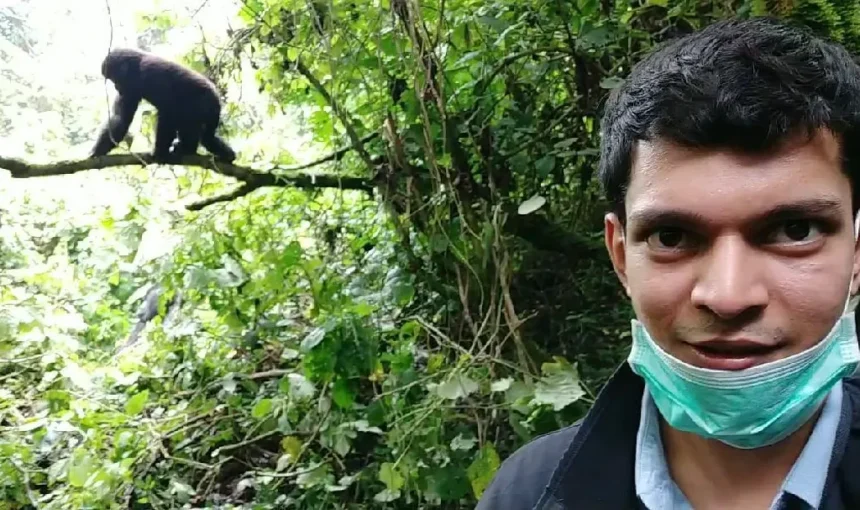
The standard viewing distance for mountain gorillas is at least 7 meters, or about 23 feet. That rule exists for one clear reason. Mountain gorillas can catch human illnesses, and even a mild cold can pose a serious risk to them.
A gorilla trek is one of the most powerful wildlife experiences on Earth. It is also tightly controlled. Good trekking rules protect gorillas, guides, local communities, and travelers.
The safe distance from mountain gorillas
Most gorilla trekking destinations require visitors to keep a minimum distance of 7 meters from gorillas. This guidance is used in major trekking areas in Uganda, Rwanda, and the Democratic Republic of the Congo, where mountain gorillas live in protected forests.
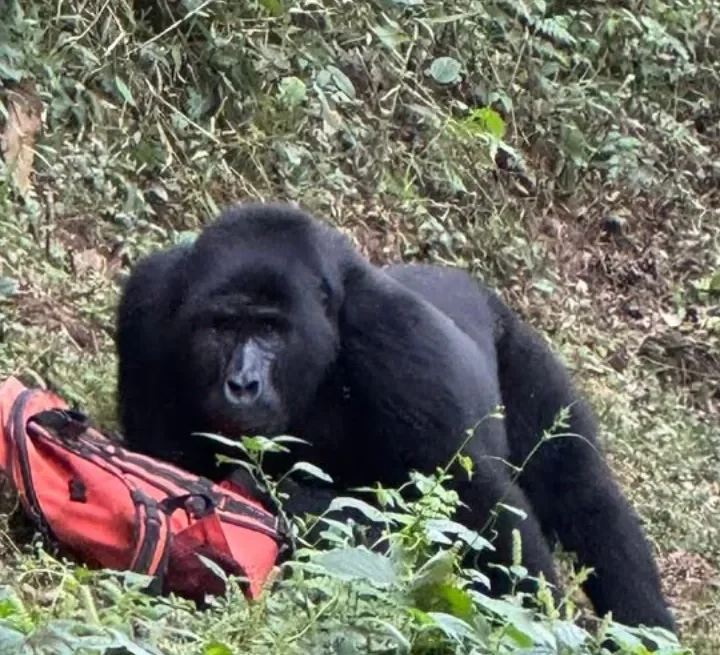
That distance is a minimum. If a gorilla moves closer, stay still, listen to the guide, and avoid sudden movement. The gorilla has the right of way.
Expect these common rules during a trek:
- Keep at least 7 meters from gorillas when possible.
- Spend no more than one hour with a habituated gorilla family.
- Trek in small groups, often capped at around eight visitors.
- Do not eat, drink, smoke, or spit near gorillas.
- Do not use flash photography.
- Speak quietly.
- Turn away if you need to cough or sneeze.
- Stay home from the trek if you are sick.
These rules are not for show. They are part of a conservation system that has helped keep mountain gorillas alive.
Why distance matters so much
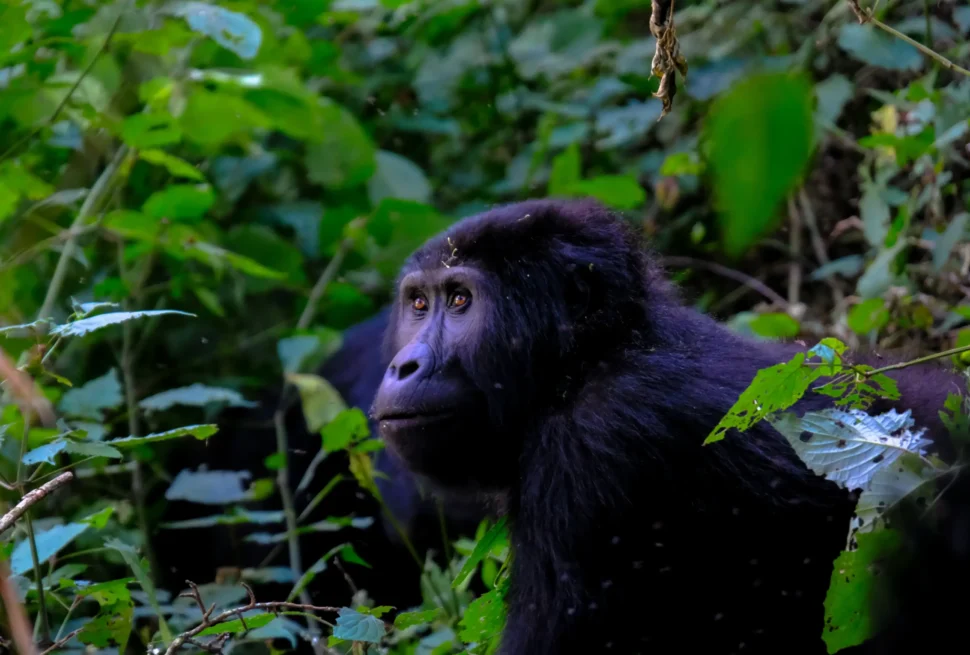
Mountain gorillas are endangered. The International Union for Conservation of Nature lists them as Endangered, not Critically Endangered, thanks in part to long-term protection. Their total population is now a little over 1,000 individuals, according to widely cited conservation counts from the Virunga Massif and Bwindi-Sarambwe areas.
That is still a small number.
Mountain gorillas live only in a limited range of high-altitude forests in central Africa. They cannot spread across a continent if disease, habitat loss, or conflict hits one area hard.
Human presence brings several risks.
Disease transmission is the biggest concern during close viewing. Gorillas are great apes and close relatives of humans. Respiratory infections can move between people and gorillas. A single sick visitor can put a whole gorilla group at risk.
Stress is another concern. Habituated gorillas are used to controlled human presence, but that does not mean they are tame. Loud voices, staring, crowding, or sudden movement can change their behavior.
Habitat pressure also matters. Trails, tourism facilities, farming edges, and illegal activity can all affect forest ecosystems. Responsible tourism must fund protection, not weaken it.
What respectful gorilla viewing looks like
Safe viewing starts before the group sees any gorillas. Guides and trackers know the terrain, the gorilla families, and the signs of stress. Their instructions matter more than getting a better photo.
When a gorilla is nearby, keep your body language calm.
- Crouch if the guide asks.
- Keep your arms close.
- Avoid direct staring.
- Do not point aggressively.
- Stay together as a group.
- Never try to touch a gorilla.
If a silverback approaches, the guide may tell the group to stand still, lower their gaze, or make a specific sound. Follow that instruction exactly. A silverback is powerful, but charges are often displays when visitors behave correctly.
Photography is allowed in many trekking areas, but the animal comes first. Take a few photos, then put the camera down. The best memory is often the sound of leaves breaking as a gorilla feeds only a few yards away.
Conservation depends on careful tourism
Gorilla trekking permits can be expensive. That cost often supports park management, ranger patrols, veterinary monitoring, and revenue-sharing programs for nearby communities. When local people benefit from living wildlife, forests gain stronger protection.
This model has helped mountain gorillas recover from a far more dangerous position. Conservation groups, park authorities, veterinarians, and communities have worked for decades to reduce poaching, monitor gorilla health, and protect habitat.
But tourism can help only when it stays controlled.
Too many visitors, weak enforcement, or pressure for closer encounters can damage the same wildlife tourism claims to support. The 7-meter rule is part of the bargain. Visitors get a rare encounter. Gorillas keep space, health, and dignity.
How to prepare for a gorilla trek
A gorilla trek can be short or physically demanding. The terrain changes fast. Trails may be muddy, steep, and thick with vegetation. Good preparation makes the experience safer and more enjoyable.
Book permits early
Permits are limited. Popular trekking seasons can sell out months ahead. Book through an official park authority, a trusted tour operator, or a licensed lodge partner.
Check permit rules before paying. Age limits, cancellation terms, health rules, and passport details can vary by country.
Build basic fitness
Treks can last from under an hour to most of a day before the viewing hour begins. Trackers locate the gorilla families each morning, but the gorillas move as they feed.
Train with hills, stairs, or long walks. You do not need to be an athlete, but strong legs and steady balance help.
Pack the right gear
Bring practical clothing and skip bright colors.
Useful items include:
- Waterproof hiking boots with grip
- Long pants and a long-sleeved shirt
- Lightweight rain jacket
- Garden or trekking gloves for grabbing vegetation
- Gaiters or long socks to deter ants
- Refillable water bottle
- Snacks for before or after the viewing period
- Small daypack
- Camera with no flash
- Face mask if required by local rules
Use insect repellent and sunscreen when needed. Pack out every wrapper and tissue.
Hire a porter
Hiring a porter supports local income and makes the trek easier. Porters help carry bags and assist on slippery slopes. This is one of the simplest ways for tourism money to reach nearby communities directly.
Be honest about health
Do not trek if you have a fever, cough, flu symptoms, stomach illness, or any contagious infection. This can be disappointing, but it protects the gorillas. Some operators and park authorities may have health screening rules for the same reason.
FAQ
Can a mountain gorilla come closer than 7 meters?
Yes. Gorillas move freely, and one may walk closer. Do not step toward it. Stay calm, keep still, and follow the guide.
Can you touch a mountain gorilla?
No. Touching is never allowed. It can spread disease, stress the animal, and put visitors at risk.
Is gorilla trekking safe?
Yes, when rules are followed. Treks are led by trained guides and trackers. Mountain gorillas are wild animals, so calm behavior and guide instructions are essential.
How long do you spend with the gorillas?
Most treks allow one hour with a habituated gorilla family. The hike to find them can take much longer.
Where can you see mountain gorillas?
Mountain gorillas live in protected areas in Uganda, Rwanda, and the Democratic Republic of the Congo. Well-known trekking regions include Bwindi Impenetrable National Park and the Virunga Massif.
The real answer is about respect
You can usually get about 7 meters from mountain gorillas, and sometimes they may come closer on their own. The better question is how to share space with them safely.
Keep your distance. Follow the guide. Stay quiet. Skip the trek if you are sick. Pay attention to the forest, not just the photo.
A gorilla trek is a privilege because mountain gorillas are rare, vulnerable, and wild. The best encounter leaves them feeding, resting, and raising their young as if you were barely there.