Choosing between Uganda and Kenya is not a simple vote for “better.” It is a question of what kind of safari fits your time, budget and travel style.
Kenya is the classic open-savanna destination, with the Maasai Mara, Amboseli and Tsavo offering strong wildlife concentrations and wide plains made for big-cat viewing. Uganda gives a different kind of safari, with gorilla and chimpanzee trekking, boat safaris, varied scenery and quieter parks such as Murchison Falls, Queen Elizabeth and Kidepo Valley.
This Uganda vs Kenya safari guide compares the two honestly, using practical field experience and widely used guidance from bodies such as the Uganda Wildlife Authority, Kenya Wildlife Service and park conservancy fee structures. Wildlife sightings still vary by park, season, weather, migration patterns and luck. No guide can promise lions, leopards or river crossings on a set day.
Quick Uganda Kenya safari comparison
| Category | Uganda | Kenya |
| Best known for | Gorilla trekking, chimpanzees, varied scenery, quieter parks | Maasai Mara, big cats, open plains, high wildlife density |
| Wildlife style | Mixed savanna, forest and river safaris | Classic open-savanna game drives |
| Top parks | Murchison Falls, Queen Elizabeth, Bwindi, Kibale, Kidepo Valley | Maasai Mara, Amboseli, Tsavo, Samburu, Lake Nakuru |
| Primates | Excellent | Limited compared with Uganda |
| Big Five potential | Possible, with rhinos mainly at Ziwa Rhino Sanctuary | Stronger in several circuits, depending on park combination |
| Crowds | Usually lower outside gorilla trekking areas | Can be busy in famous parks, especially Maasai Mara peak season |
| Travel feel | More varied and often more road-based | More established fly-in and road safari circuits |
| Best fit | Travelers who want primates plus wildlife | Travelers who want classic plains game viewing |
If the question is best safari Uganda or Kenya, the honest answer is this: choose Kenya for the most classic big-game safari, and choose Uganda for the richest mix of primates, landscapes and less crowded safari routes.
Wildlife viewing in Uganda and Kenya
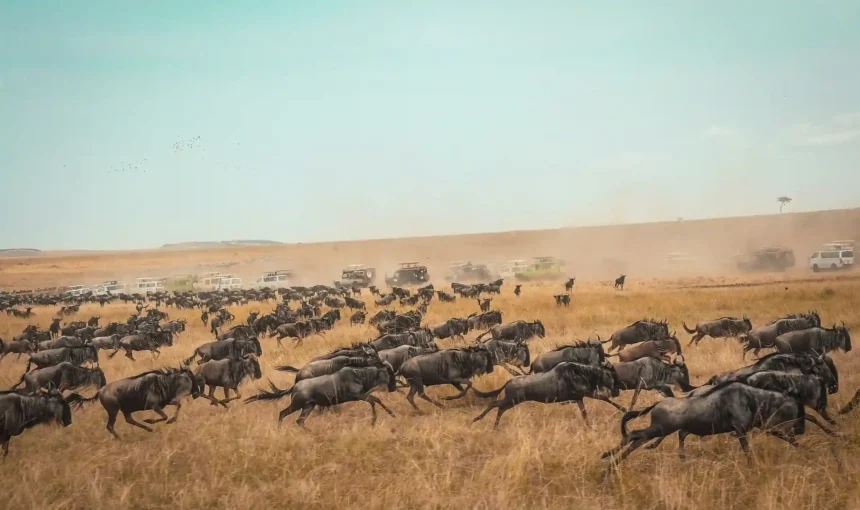
A Kenya wildlife safari is hard to beat for open-country wildlife. In the Maasai Mara, the grasslands make it easier to spot lions, cheetahs, elephants, buffalo, giraffes, hyenas and large antelope herds. The Mara is also part of the wider Serengeti-Mara ecosystem, so seasonal movement of wildebeest and zebra can produce very strong predator viewing.
Amboseli is one of Kenya’s best places for elephants, especially with Mount Kilimanjaro visible across the border in Tanzania when the weather is clear. Tsavo East and Tsavo West cover a huge area and offer a wilder, drier safari, with elephants, lions, buffalo and striking volcanic scenery. Because Tsavo is large, sightings may be more spread out than in the Mara.
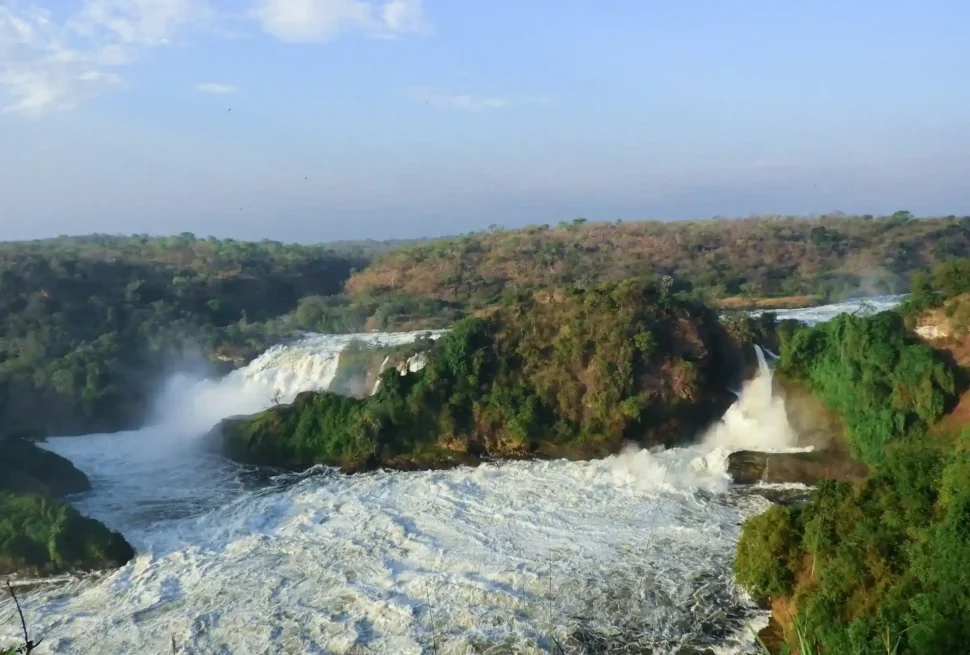
A Uganda wildlife safari feels more varied. Murchison Falls National Park has elephants, giraffes, buffalo, lions and antelope on the northern bank of the Nile, plus hippos and crocodiles on boat trips below the falls. Queen Elizabeth National Park combines crater lakes, savanna, wetlands and the Kazinga Channel, where boat safaris often produce close views of hippos, buffalo, elephants and waterbirds. Ishasha, in the southern sector, is known for tree-climbing lions, although sightings are never guaranteed.
Kidepo Valley National Park is Uganda’s most remote major savanna park. It has a dry, rugged feel and strong wilderness value, with buffalo herds, elephants, giraffes, lions and species less common in other Ugandan parks. It takes more effort to reach, but the reward is space and fewer vehicles.
For pure big-cat density and easy plains viewing, Kenya usually has the edge. For variety across forests, rivers, savannas and highlands, Uganda stands out.
Gorilla and chimpanzee trekking gives Uganda a clear primate advantage
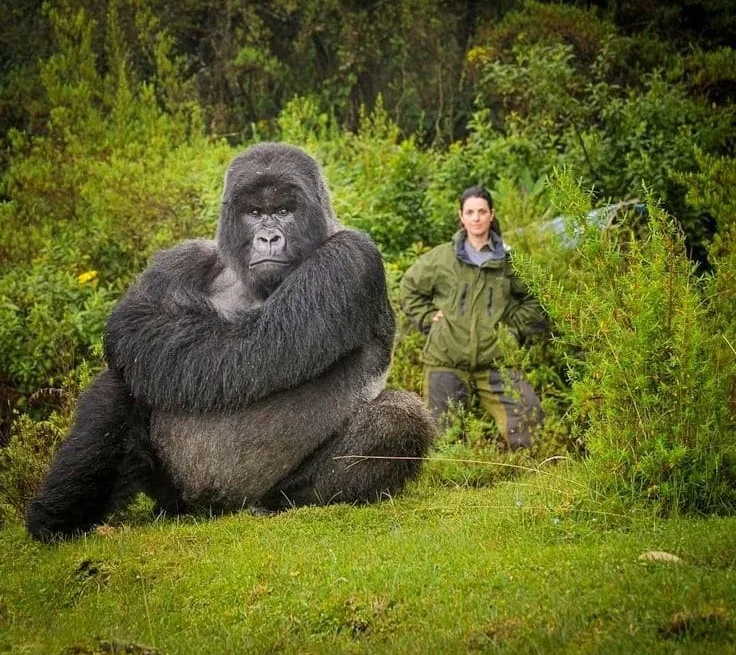
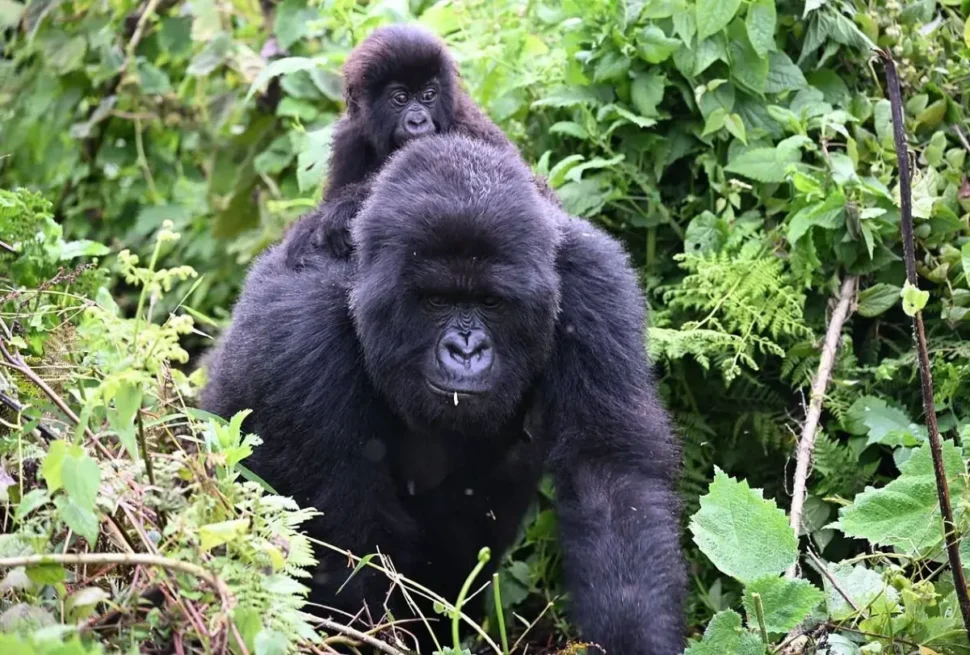
When travelers compare Gorilla trekking Uganda vs Kenya safari, the answer is straightforward. Kenya does not offer wild mountain gorilla trekking. Uganda does.
Uganda’s Bwindi Impenetrable National Park and Mgahinga Gorilla National Park protect mountain gorillas, with trekking regulated through permits issued by the Uganda Wildlife Authority. Permit prices can change, but Uganda’s gorilla permits are generally a major cost item and should be confirmed when booking. For many international travelers, gorilla trekking is the main reason to choose Uganda or to combine Uganda with Kenya.
Uganda is also one of Africa’s strongest chimpanzee trekking destinations. Kibale National Park is the best-known option, with Budongo Forest and Kyambura Gorge also offering primate experiences. Seeing chimpanzees move through the forest is very different from watching lions on an open plain. It is active, sometimes muddy, and more dependent on forest conditions, but it adds a layer Kenya cannot easily match.
Kenya has excellent wildlife, birds and culture, but if primates are a priority, Uganda is the stronger choice.
Landscapes and national parks feel very different
Uganda’s safari landscape changes quickly. A single itinerary can include the Nile at Murchison Falls, the crater lakes around Fort Portal, the forests of Kibale, the channels and savannas of Queen Elizabeth, and the highland forests of Bwindi. This makes drives scenic, although some road days are long.
Kenya’s landscapes are broader and more open. The Maasai Mara delivers rolling grasslands and big skies. Amboseli offers marshes, elephants and views toward Kilimanjaro. Tsavo brings red soils, lava flows, dry bush and wide space. Samburu, though not part of the user-requested comparison, is another strong example, with dry-country species such as Grevy’s zebra and gerenuk.
Here is the practical park-to-park comparison:
| Uganda park | Comparable Kenya park | Practical difference |
| Murchison Falls | Tsavo | Both offer large landscapes and varied wildlife. Murchison adds the Nile and boat safaris, while Tsavo feels drier and more expansive. |
| Queen Elizabeth | Amboseli and Lake Nakuru style mix | Queen Elizabeth has channels, craters and savanna. Amboseli is stronger for elephant viewing, while Queen offers better boat safari variety. |
| Kidepo Valley | Maasai Mara or Samburu for wild feel | Kidepo is remote and quiet. The Mara has higher wildlife density, while Kidepo has far fewer vehicles. |
This is why an Uganda safari vs Kenya safari decision often comes down to style. Uganda mixes habitats. Kenya specializes in classic plains.
Safari activities and travel pace
Kenya’s safari activities are usually built around game drives. In private conservancies near the Maasai Mara, travelers may also find night drives, guided walks and off-road viewing, depending on conservancy rules. Balloon safaris are common in the Mara, though they add significantly to the cost.
Uganda offers a wider spread of activity types:
- Game drives in Murchison Falls, Queen Elizabeth and Kidepo
- Boat safaris on the Nile and Kazinga Channel
- Gorilla trekking in Bwindi or Mgahinga
- Chimpanzee trekking in Kibale, Budongo or Kyambura
- Rhino tracking on foot at Ziwa Rhino Sanctuary
- Nature walks, birding and cultural visits
The pace differs too. Kenya can work well for shorter safaris because Nairobi connects easily to the Mara, Amboseli and Tsavo by road or light aircraft. Uganda often rewards a longer trip because the main parks sit across different regions, and road transfers can take much of a day.
For a first safari of four to six days focused on big game, Kenya is often simpler. For an eight to twelve day trip with primates, boats and savanna wildlife, Uganda becomes very strong.
Culture and community experiences
Both countries offer meaningful cultural experiences when visits are handled respectfully and locally.
In Kenya, many travelers visit Maasai communities near the Mara or Amboseli. The best visits are arranged through lodges, conservancies or community projects that clearly explain fees and avoid staged pressure to buy items. Kenya’s community conservancy model, especially around the Mara and northern Kenya, has helped link wildlife tourism with landowner income.
In Uganda, cultural experiences vary by route. Around Bwindi, Batwa community experiences introduce the history of forest-dwelling communities affected by conservation changes. In Karamoja, near Kidepo, travelers can learn about pastoral life in a region that is culturally distinct from western Uganda. Around Queen Elizabeth and Kibale, village walks, coffee experiences and crater lake communities add local context.
The best approach in either country is simple: choose visits that pay local hosts fairly, ask before taking photos, and treat people as people, not as part of the scenery.
Accommodation and safari styles
Kenya has one of Africa’s most developed safari accommodation networks. You can find budget camps, midrange tented camps, family lodges, high-end conservancy camps and fly-in luxury safaris. The Mara in particular has a wide range, although quality and location vary a lot.
Uganda also has good safari accommodation, but the range is more limited in remote areas. Bwindi has everything from simple guesthouses to premium forest lodges. Murchison Falls and Queen Elizabeth offer solid midrange options. Kidepo has fewer properties, so booking early matters.
Safari styles differ:
- Kenya works well for scheduled group safaris, especially from Nairobi to the Maasai Mara.
- Uganda is often better as a private guided safari, because routes are longer and activities such as gorilla trekking require careful timing.
- Fly-in safaris are common in Kenya, while Uganda fly-ins are available but less standard and often add more cost.
- Self-drive is possible in both countries, but park rules, road conditions, navigation and wildlife safety make a guided trip better for many visitors.
Uganda safari cost and Kenya safari cost
Travelers often ask, Is Uganda cheaper than Kenya for safari? Sometimes yes, sometimes no. The answer changes with the parks, season, accommodation level, permit costs and whether the safari is private or shared.
For budget and midrange big-game safaris without gorillas, Kenya can be cheaper because there are many group departures from Nairobi, especially to the Maasai Mara. Competition keeps some Kenya safari prices lower at the entry level.
Uganda safari prices rise when gorilla trekking is included because the gorilla permit is a major fixed cost per trekker. Chimpanzee permits, park fees, private guiding and longer driving distances also affect the total. That said, Uganda may offer better value for travelers who want several experiences in one trip, such as gorillas, chimps, boat safaris and savanna game drives.
Factors that shape both Uganda safari cost and Kenya safari cost include:
- Travel season, with peak months usually costing more
- Park and conservancy fees
- Gorilla or chimpanzee permits in Uganda
- Private safari versus group safari
- Road safari versus fly-in safari
- Lodge location and comfort level
- Number of travelers sharing the vehicle
- Vehicle type, fuel, guide fees and distance between parks
As a broad planning guide, entry-level group safaris in Kenya can sit lower than private Uganda safaris. Midrange private safaris in either country often fall into a similar daily range once vehicle, guide, lodging and park fees are included. Premium camps, private conservancies, fly-ins and gorilla trekking push prices higher.
Always ask what is included. A low quote may exclude park fees, drinks, permit costs, airport transfers or activities.
Which destination gives better value?
Value is not only the lowest price. It is what the trip delivers for the money.
Choose Kenya if you want:
- Strong chances of seeing big cats on open plains
- A shorter safari that still feels complete
- Many accommodation choices
- Easier group safari options
- The Maasai Mara, Amboseli or Tsavo as the main focus
Choose Uganda if you want:
- Gorilla trekking or chimpanzee trekking
- A quieter safari route with fewer vehicles in many parks
- Boats, forests, savanna and mountains in one itinerary
- Birding and primates as serious trip priorities
- A private guided journey with a varied pace
For the best East African safari, many travelers combine both countries. A practical route is Kenya for the Maasai Mara, then Uganda for gorillas and chimpanzees. This costs more than choosing one country, but it solves the main trade-off.
FAQs about Uganda and Kenya safaris
Is Uganda or Kenya better for a first safari?
Kenya is often easier for a first classic safari because the Maasai Mara, Amboseli and Tsavo offer strong wildlife viewing and well-established routes. Uganda is better if the first safari should include gorillas, chimpanzees and a wider mix of landscapes.
Can I see the Big Five in Uganda?
You can see lions, leopards, elephants, buffalo and rhinos in Uganda, but rhinos are mainly tracked at Ziwa Rhino Sanctuary rather than in the main savanna parks. Kenya generally offers a stronger traditional Big Five circuit, depending on the parks included.
When is the best time to visit Uganda or Kenya?
Both countries can be visited year-round. Drier months often make tracking and game viewing easier, while wetter months can bring green scenery, fewer visitors and good birding. The Maasai Mara migration period varies each year, and river crossings cannot be predicted.
Are Uganda safari prices higher because of gorilla trekking?
Yes, if gorilla trekking is included. The permit is a significant fixed cost, and Bwindi or Mgahinga must be built into the route. A Uganda safari without gorillas may be closer in price to a Kenya safari of similar comfort level.
Is Kenya too crowded for safari?
Not everywhere. The Maasai Mara can be busy in peak periods and around major sightings. Private conservancies, lesser-known parks and travel outside peak dates can feel quieter. Tsavo and Samburu often have more space than the busiest Mara areas.
Which country is better for families?
Kenya often works well for families because travel times can be shorter and many lodges are used to hosting children. Uganda is excellent for active families with older children, especially where trekking age limits are met. Gorilla trekking has minimum age rules, so check before planning.
Can I combine Uganda and Kenya in one trip?
Yes. Many travelers combine Kenya’s Maasai Mara with Uganda’s Bwindi and Kibale. This is one of the strongest Africa safari combinations, but it needs careful planning around flights, permits and park routing.
Which is better for photographers?
Kenya is excellent for open-plains wildlife photography, especially big cats and elephants. Uganda adds forest, primates, river scenes and varied terrain. Photographers who want variety may prefer Uganda, while those focused on predator action may lean toward Kenya.
Final advice for choosing Uganda or Kenya
A fair Uganda Kenya safari comparison should not force a winner. Kenya is the stronger choice for classic open-savanna wildlife, high game density and shorter big-game itineraries. Uganda is the stronger choice for gorillas, chimpanzees, varied habitats and quieter journeys through forests, rivers and savannas.
If big cats, elephants and open plains are the main goal, start with Kenya. If primates, scenery and a more varied safari rhythm matter most, start with Uganda. If time and budget allow, combine both and you get a fuller view of East Africa than either country can offer alone.