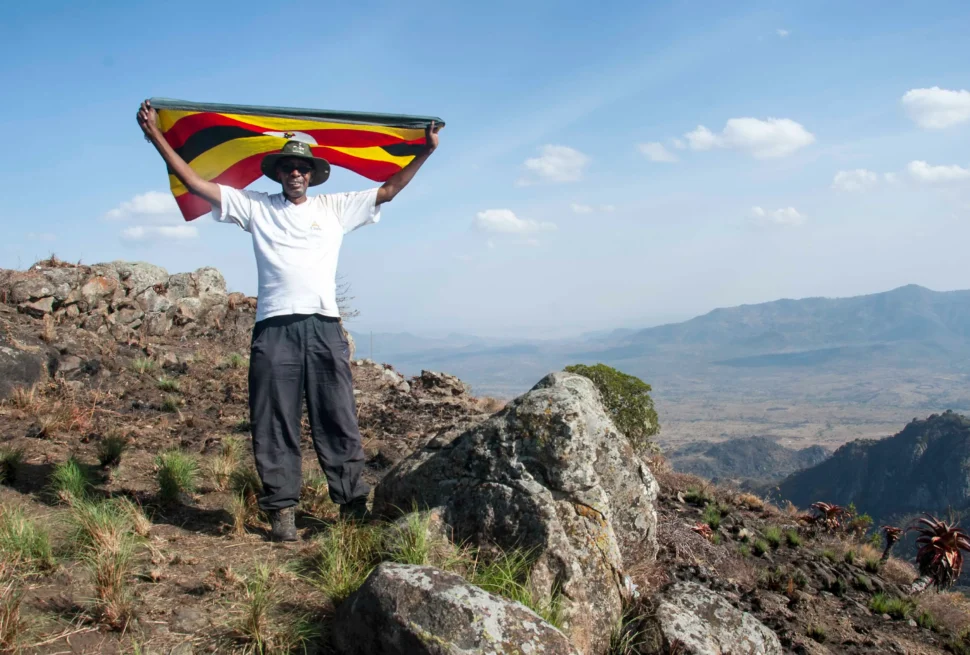
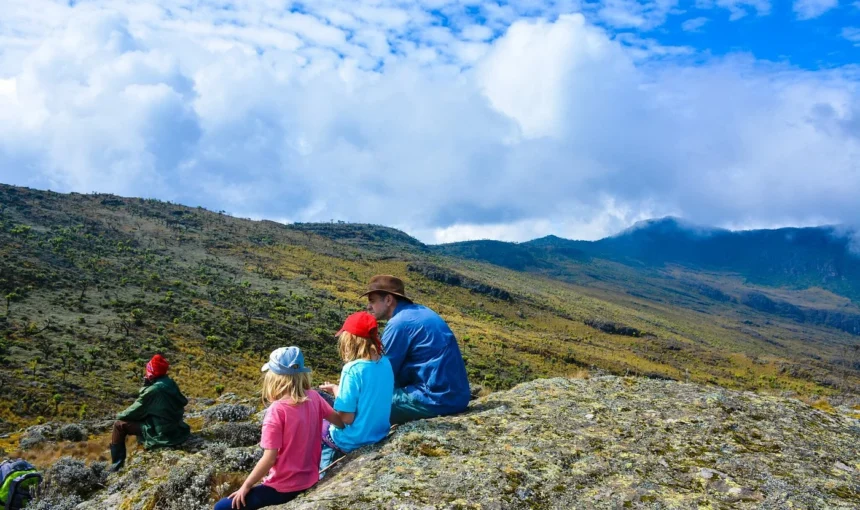
Mount Elgon National Park is one of Uganda’s most rewarding places for travelers who prefer mountain air, quiet trails, waterfalls, and village coffee experiences over crowded safari circuits. Set in eastern Uganda on the Kenya border, the park protects the Ugandan side of Mount Elgon, an extinct volcanic mountain with one of the largest calderas in East Africa.
It does not have the name recognition of Bwindi, Murchison Falls, or Queen Elizabeth National Park, but that is part of its appeal. The experience feels slower and more local. Days are shaped by hiking, misty ridges, forest birds, basalt cliffs, caves, and conversations with farmers who grow Arabica coffee on the mountain slopes.
Uganda Wildlife Authority manages the national park, and the highest point on the Ugandan side, Wagagai Peak, rises to about 4,321 metres. The mountain is high enough to feel wild and cool, yet the routes are generally less technical than many East African summit hikes.
Why Mount Elgon is a hidden gem in Uganda
Mount Elgon suits travelers who like active days and cultural contact. The main draw is not a classic Big Five safari. It is the mix of volcanic scenery, highland hiking, waterfalls, coffee farms, and village life around Mbale, Kapchorwa, and Sipi.
The landscapes change quickly as you climb. Lower trails pass through farmland and forest edge. Higher up, the route enters montane forest, bamboo zones, heathland, and moorland. On longer treks, hikers reach the caldera area, hot springs, and open alpine terrain.
The park also has a softer pace than many bucket-list stops in Uganda. Around Sipi, it is possible to walk to waterfalls in the morning, visit a coffee farm in the afternoon, and sit with a view of the plains by sunset. That combination is what makes Mount Elgon National Park memorable.
The main hiking routes on Mount Elgon
There are several approaches into the park, but the Sasa, Sipi, and Piswa routes are the best known on the Ugandan side. Each has a different feel, and the right choice depends on time, fitness, and what kind of scenery matters most.
| Route | Best for | Terrain and scenery | Fitness level |
| Sasa Route | Shorter summit attempts | Steeper climb, village approach, forest, bamboo, moorland | Good fitness needed |
| Sipi Route | Scenic hiking and waterfalls nearby | Gentler gradients, varied forest and ridges, access from Sipi area | Moderate to good fitness |
| Piswa Route | Quieter treks and wider views | Longer, more gradual route, open moorland, wildlife signs | Moderate fitness, but endurance helps |
The Sasa Route is the shortest and steepest approach
The Sasa Route is often described as the most direct route to the higher mountain. It usually starts from the Budadiri side, near Mbale. Because it gains altitude faster than the other main routes, it can feel demanding, especially in wet weather when trails become slick.
The reward is variety. Hikers move from cultivated foothills into forest and then into more open highland zones. The route is a good choice for people who want a shorter Mount Elgon trek and are comfortable with steep walking.
This route is not technical mountaineering, but it does require steady legs, good boots, and respect for altitude. Even fit hikers should pace themselves.
The Sipi Route balances scenery and comfort
The Sipi Route is popular because it connects naturally with the Sipi Falls area. It is often a good fit for travelers who want scenic hiking without choosing the steepest approach.
The terrain can include forest paths, farmland edges, ridge views, and sections that feel more gradual than Sasa. It also works well for itineraries that include waterfall walks, coffee tours, and one or more nights around Sipi village.
For many first-time visitors to eastern Uganda, this is the most balanced choice. It offers a strong sense of the mountain without feeling rushed.
The Piswa Route is quieter and more gradual
The Piswa Route starts from the Kapkwata side and is known for being more gradual. It is often quieter than Sasa and can feel more remote. The longer distance means it is not necessarily easier overall, but the gentler climbing can be kinder on the knees and lungs.
This route is especially appealing for hikers who enjoy open moorland and a slower approach to the higher mountain. It can also be useful for longer treks that combine different entry and exit points.
Sipi Falls and the adventure side of Mount Elgon
Sipi Falls is not inside the main summit zone, but it is closely tied to the Mount Elgon experience. The falls sit near the park on the northwestern slopes, close to Kapchorwa, and are often used as a base for day hikes, coffee tours, and short stays.
The Sipi area is known for a series of waterfalls dropping over dramatic cliffs. Local guides can lead walks to viewpoints, river crossings, caves, and the base or top of different falls. Trails range from gentle walks of a couple of hours to longer half-day hikes that link several viewpoints.
One of the best-known adventure activities here is abseiling near the main waterfall. Conditions, operators, and safety standards should always be checked locally. Choose a guide or operator that uses proper equipment, explains the activity clearly, and does not pressure anyone to continue if the weather turns poor.
Sipi is also ideal for travelers who do not have time for a multi-day mountain trek. A two-night stay can include waterfall hiking, coffee, village walks, and wide views across the plains below Mount Elgon.
Arabica coffee tours on the slopes of Mount Elgon
Coffee is one of the strongest reasons to spend time around Sipi and the lower Mount Elgon slopes. The area is known for Arabica coffee, which grows well at higher altitudes in volcanic soils. Smallholder farmers tend many of the coffee gardens, and tours usually feel personal because they take place on working farms rather than staged estates.
A good coffee tour often follows the full process:
- Walking through coffee gardens and learning how ripe cherries are selected
- Seeing how beans are pulped, fermented, washed, and dried
- Learning traditional hand-roasting methods
- Grinding beans, sometimes with a mortar and pestle
- Brewing and tasting the final cup
The best tours do more than explain coffee. They show how farming fits into daily life, weather, land, family work, and local income. When possible, pay a fair price, ask before taking photos, and buy coffee directly from the producers or community groups running the visit.
Wildlife is present, but this is not a traditional game drive park
Mount Elgon has wildlife, but it should not be sold as a place for guaranteed large animal sightings. The park is better known for birds, forest life, and signs of animals along quieter routes.
Commonly mentioned species include black-and-white colobus monkeys, blue monkeys, small antelope, and many birds. The broader Mount Elgon ecosystem is important for montane forest species, and birders may enjoy slow walks through forest and bamboo zones.
The wildlife experience here is subtle. Listen for calls in the canopy, watch for movement in fig trees, and ask guides about tracks, plants, and seasonal patterns. That approach fits the mountain better than racing through a checklist.
How to interact respectfully with local communities
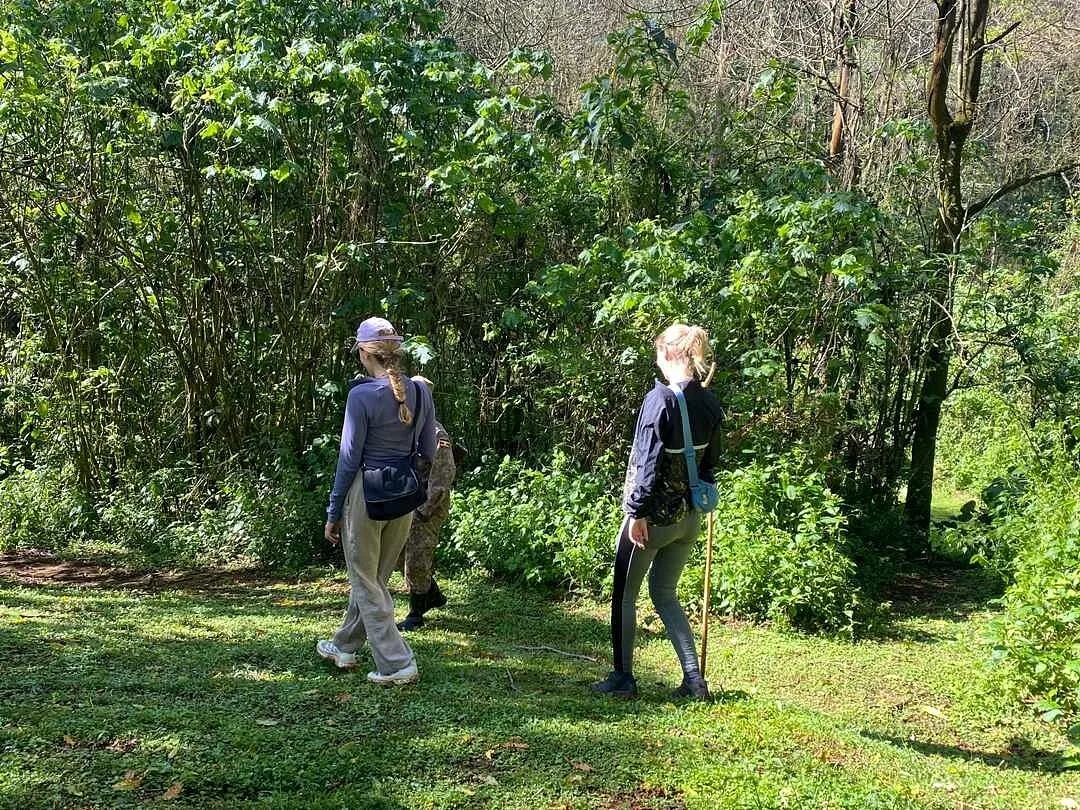
Mount Elgon is home to communities with deep ties to the mountain, including Bagisu and Sabiny communities in surrounding areas. Culture here is not a performance added to the trip. It is part of everyday life, farming, food, ceremonies, land, and family history.
Respect starts with simple habits:
- Ask before photographing people, homes, ceremonies, or children.
- Use local guides where possible, especially for village walks and waterfall trails.
- Dress comfortably but modestly in villages.
- Pay agreed guide fees without bargaining aggressively.
- Listen more than you speak when traditions are explained.
- Avoid treating sensitive cultural practices as entertainment.
Good guiding makes a big difference. A knowledgeable local guide can explain where visitors are welcome, what should remain private, and how tourism income supports households around Sipi and the park.
Best time to visit Mount Elgon
Mount Elgon can be visited throughout the year, but trail conditions change with the seasons. Uganda’s weather does not always follow neat rules, especially in mountain areas, so carry rain gear even in drier months.
The drier periods are usually the most comfortable for hiking. These often fall around December to February and June to August. Trails are generally firmer, views can be clearer, and campsites feel easier to manage.
The wetter months often bring lush vegetation, stronger waterfalls, and dramatic mist. They also bring mud, slippery descents, leeches in some forest sections, and a higher chance of cloud cover. For photographers and waterfall lovers, the wet season can still be rewarding if plans stay flexible.
How many days to spend around Mount Elgon and Sipi
Trip length depends on whether the goal is a light Sipi visit or a serious mountain trek.
| Time available | Good plan |
| 1 day | Visit Sipi Falls from Mbale or Kapchorwa, do a short guided waterfall walk, and return before dark |
| 2 days | Stay overnight in Sipi, hike waterfalls, and add a coffee tour |
| 3 days | Combine Sipi Falls, coffee, village walks, and a longer day hike on lower Mount Elgon trails |
| 4 to 5 days | Do a shorter Mount Elgon trek using one of the main routes, depending on fitness and conditions |
| 6 days or more | Plan a fuller mountain trek with time for the caldera area and a less rushed descent |
For customized planning, a Uganda-based operator such as Nturo Safaris can arrange hiking guides, coffee tours, transport, park logistics, and combinations with other Uganda safari destinations.
What to pack for hiking, waterfalls, and coffee tours
Packing for Mount Elgon should account for mud, rain, sun, cool nights, and village walking. The mountain climate can shift within a few hours.
Bring these essentials:
- Hiking shoes or bootsChoose footwear with good grip. Waterproof boots help on muddy trails, but they should already be broken in.
- Rain jacket and backpack coverEven during drier months, showers are common around the mountain.
- Warm clothingPack a fleece or light insulated layer. Higher elevations and evenings in Sipi can be chilly.
- Water bottle or hydration bladderCarry enough water for hikes, and ask your guide where refills are safe.
- Sunscreen, hat, and sunglassesThe sun can be strong at altitude, even when the air feels cool.
- Insect repellentUseful around lower trails, farms, and evenings.
- Lightweight long trousersThey protect from grass, insects, and scratches.
- Small first aid kitInclude blister care, personal medication, and basic pain relief.
- Dry bags or plastic-free waterproof pouchesProtect your phone, camera, and documents.
- Cash in Uganda shillingsHelpful for guides, coffee purchases, tips, and small community businesses.
For coffee tours, wear shoes that can handle dirt paths. Farms may be muddy after rain, and processing areas are practical working spaces rather than polished visitor centres.
Mount Elgon compared with other Uganda destinations
Choose Mount Elgon if the priority is hiking, scenery, coffee, waterfalls, and cultural experiences. It is a strong fit for active travelers and repeat visitors to Uganda who want a different rhythm from game drives.
Choose Murchison Falls or Queen Elizabeth if the main goal is savannah wildlife and boat safaris. Choose Bwindi if gorilla trekking is the focus. Choose Kibale for chimpanzee tracking and forest primates. Choose Jinja for rafting, the Nile, and soft adventure close to Kampala.
Mount Elgon pairs especially well with travelers who enjoy walking. Instead of sitting in a vehicle for most of the day, the experience happens on foot, on farms, and in conversation with local guides.
Combining Mount Elgon with a Uganda safari
Mount Elgon and Sipi Falls can fit into several Uganda routes.
A short eastern Uganda trip can combine Jinja and Sipi Falls. This works well for travelers with limited time who want the Nile, waterfalls, coffee, and light hiking.
A northern circuit can connect Sipi Falls with Kidepo Valley National Park, one of Uganda’s most remote and dramatic savannah parks. This needs more time because distances are long, but the contrast between mountain slopes and semi-arid plains is excellent.
A broader Uganda itinerary can link Mount Elgon with Murchison Falls, Kibale, Queen Elizabeth, and Bwindi. That creates a full journey with hiking, waterfalls, chimpanzees, savannah wildlife, and gorillas. It is best done over a longer period so travel days do not dominate the trip.
FAQs
Is Mount Elgon worth visiting?
Yes, Mount Elgon is worth visiting for hiking, waterfalls, coffee tours, birding, and local culture. It is especially rewarding for travelers who want an active and less crowded Uganda experience.
How difficult is hiking Mount Elgon?
Mount Elgon is moderately difficult to challenging, depending on the route and number of days. The Sasa Route is steeper, while Piswa is more gradual but longer. Mud, rain, altitude, and daily walking time all affect difficulty.
How many days do you need to hike Mount Elgon?
Shorter hikes around Sipi can take one to three days. A fuller Mount Elgon trek to higher areas usually needs about four to six days, depending on the route, pace, weather, and whether the aim is to reach Wagagai Peak.
What is the best time to visit Mount Elgon?
The best time for hiking is usually during the drier months, especially December to February and June to August. Wet months can still be beautiful, with greener scenery and stronger waterfalls, but trails are muddier.
Can you visit Sipi Falls without hiking Mount Elgon?
Yes. Many travelers visit Sipi Falls without doing a full Mount Elgon trek. A short stay can include waterfall walks, abseiling, coffee tours, and village visits.
Do you need a guide for Mount Elgon?
For national park hikes, guides are normally arranged through official channels or trusted operators. Around Sipi, local guides are strongly recommended for waterfall trails, safety, navigation, and community context.
Is Mount Elgon good for wildlife safaris?
Mount Elgon is not a classic game drive destination. It is better for birds, monkeys, forest walks, scenery, and hiking. For large mammals and savannah wildlife, combine it with parks such as Murchison Falls, Queen Elizabeth, or Kidepo Valley.
Can beginners hike around Mount Elgon?
Beginners can enjoy shorter walks around Sipi Falls and lower trails with a guide. Multi-day summit treks require better fitness, preparation, and comfort with long walking days.
Mount Elgon rewards patience. It is a place to walk slowly, drink good coffee, follow waterfall trails, and learn how the mountain shapes life in eastern Uganda. For travelers who value scenery and human connection as much as wildlife sightings, it deserves a serious place on a Uganda itinerary.