Kisoro sits in Uganda’s far southwest, close to Rwanda and the Democratic Republic of Congo. It is a small town with a big job: it connects travellers to gorilla trekking, crater-dotted hills, cold highland lakes, volcanic peaks and strong local culture.
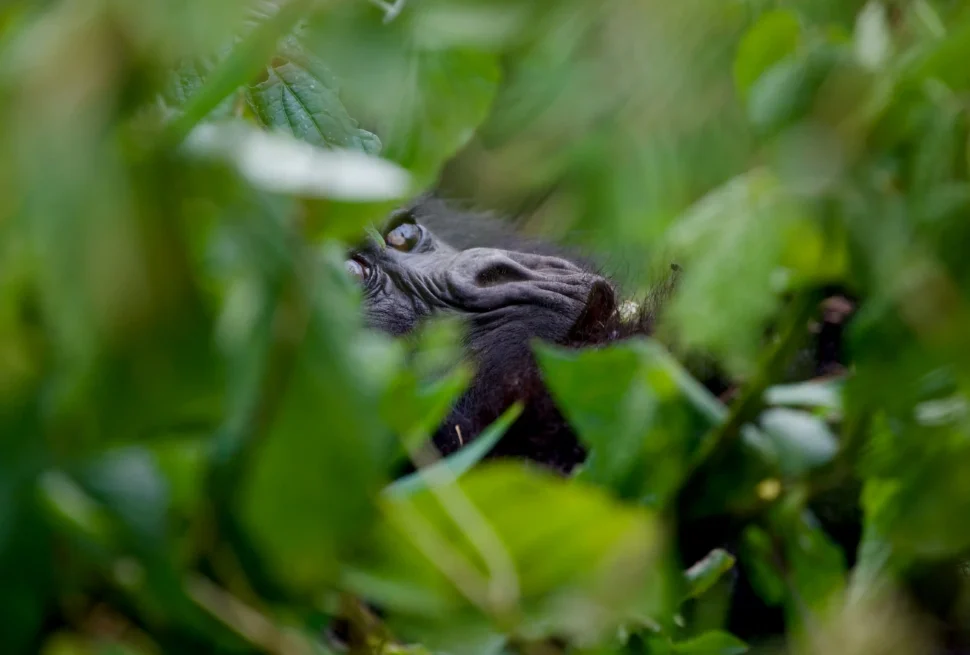
For many visitors, Kisoro is the base for gorilla trekking in Kisoro, especially in Mgahinga Gorilla National Park and the southern sectors of Bwindi Impenetrable National Park. But staying here only for one trek would be a missed chance. The best things to do in Kisoro also include canoeing on Lake Mutanda, hiking the Virunga slopes, visiting coffee farmers, shopping in local markets and learning from Batwa guides who know the forest history better than anyone.
This Kisoro travel guide covers the main places to visit, what to do there, travel times you can plan around, and how to combine them into a short safari.
Why Kisoro works so well as a safari base
Kisoro is practical because several major Kisoro tourist attractions sit within a short drive of town. Mgahinga Gorilla National Park is usually around 30 to 45 minutes away by road, depending on your lodge location and road conditions. Lake Mutanda is roughly 30 minutes from town. Lake Mulehe is also close, often reached within 20 to 40 minutes. Rushaga and Nkuringo, the southern gorilla trekking sectors of Bwindi, are reachable by road from Kisoro, commonly taking about 1.5 to 2.5 hours depending on the route and weather.
The town itself sits at high altitude, so nights can be cool. Pack a warm layer, rain jacket and sturdy walking shoes, even in the drier months. Roads outside town can be rough, especially after rain, so a 4×4 vehicle is the safest choice for park transfers, lake visits and Bwindi access.
Uganda Wildlife Authority manages gorilla permits and park activities in Mgahinga and Bwindi. Permits are required for gorilla trekking and should be booked well in advance, especially from June to September and December to February.
Lake Mutanda is the classic Kisoro lake excursion
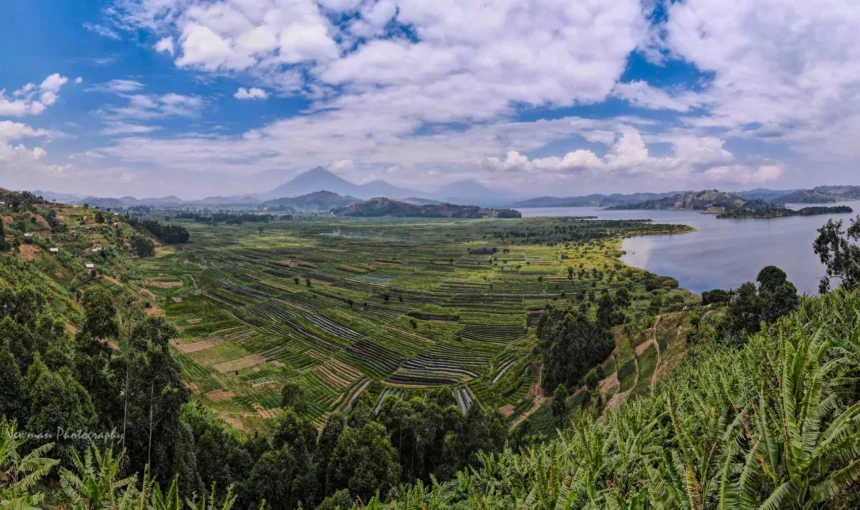
Lake Mutanda lies northwest of Kisoro town, surrounded by terraced hills and views toward the Virunga volcanoes. It is one of the most rewarding places to visit in Kisoro Uganda because it works for both relaxed travellers and active safari days.
The lake has small islands, fishing canoes and quiet shorelines where you can spend a slow afternoon after a gorilla trek. Common activities include:
- Canoe rides or motorboat trips
- Birding along the lake edge
- Sunset viewing from a lodge terrace
- Guided village walks
- Photography of the Virunga volcanoes Uganda side
Lake Mutanda also works as an accommodation base. Several lodges sit around the lake, ranging from simple midrange stays to more comfortable safari properties. If your gorilla trek starts in Mgahinga, Rushaga or Nkuringo, check transfer times from the lodge before booking. Distances look short on a map, but steep roads can slow travel.
Practical guide tip: Lake Mutanda is best visited with a driver-guide or prearranged transport. Public transport is limited once you leave Kisoro town, and motorcycle taxis are not ideal if you have luggage or camera gear.
Mgahinga Gorilla National Park protects gorillas, golden monkeys and volcanoes
Mgahinga Gorilla National Park is Uganda’s smallest national park, but it carries major conservation value. It forms part of the larger Virunga conservation area shared by Uganda, Rwanda and the Democratic Republic of Congo. According to Uganda Wildlife Authority, Mgahinga is home to mountain gorillas, golden monkeys, forest birds, bamboo zones and three extinct volcanoes on the Ugandan side: Mount Muhabura, Mount Gahinga and Mount Sabyinyo.
The main activities include:
- Gorilla trekking, with permits arranged through Uganda Wildlife Authority or a licensed operator
- Golden monkey tracking in the bamboo forest
- Volcano hiking on Muhabura, Gahinga or Sabyinyo
- Birding and nature walks
- The Batwa cultural trail, where available and officially guided
Gorilla trekking starts early. Visitors report to the park briefing point before entering the forest with ranger guides. Trekking time can vary from a few hours to most of the day, depending on gorilla movement, terrain and group location. The permitted time with the gorillas is limited, and standard rules apply, including distance guidance, group size limits and restrictions for visitors who are ill.
Practical guide tip: Stay near Mgahinga or in Kisoro town the night before your trek. Do not try to drive from far away on trekking morning. Roads, rain and early briefing times leave no room for delays.
The Virunga volcanoes add serious hiking options
The Ugandan side of the Virunga range gives Kisoro its dramatic skyline. For fit travellers, the volcano hikes are among the top sights in Kisoro, but they should not be treated as casual walks.
Mount Muhabura is a long and demanding hike, often taking a full day. Mount Gahinga is shorter and usually more moderate, with a swampy crater area near the top. Mount Sabyinyo is steep, with ladders in some sections, and is best for confident hikers with good fitness.
These hikes are guided through the park system, so arrange them through Uganda Wildlife Authority or a trusted tour operator. Start early, carry enough drinking water, snacks, rain protection and warm clothing. Weather changes quickly at altitude.
If time is limited, choose golden monkey tracking or a lower nature walk instead of a volcano summit. You still get forest, bamboo and volcano views without pushing the day too hard.
The Batwa cultural experience explains the forest’s human history
The Batwa cultural experience Uganda travellers find around Kisoro is not a staged extra to fill time. It is an important way to understand the people who lived in the forests before conservation boundaries changed their lives.
In the Mgahinga area, Batwa guides explain traditional forest skills, shelter building, medicinal plants, hunting methods and spiritual sites. The best tours are community-led and respectful, with payment going through recognised arrangements.
This is one of the most meaningful Kisoro cultural experiences, especially when paired with a gorilla trek. It gives context to the forest beyond wildlife viewing.
Practical guide tip: Ask your operator how the tour supports Batwa guides and communities. Choose experiences that involve local guides directly, allow questions and avoid treating culture like a performance only.
Lake Mulehe suits quiet stays and short lake activities
Lake Mulehe sits east of Kisoro and is often overlooked because Lake Mutanda gets more attention. That can work in your favour if you want a quieter stop near town. The lake is close enough for a half-day visit or an overnight stay, and it combines well with southern Bwindi transfers.
Activities are simple and relaxed:
- Canoe or boat rides
- Birding around the shoreline
- Community walks
- Lodge-based rest after trekking
Lake Mulehe is also useful logistically. Some travellers use it as a softer stop between Kisoro town and gorilla trekking near Rushaga or Nkuringo. As with Lake Mutanda, road conditions can change after rain, so confirm transfer times locally.
Kisoro town and local markets show daily life in the highlands
Kisoro town Uganda is not large, but it is useful and interesting. This is where you find banks, fuel stations, shops, fresh produce, basic restaurants and road links to the border areas.
The local markets sell bananas, beans, Irish potatoes, vegetables, second-hand clothing and household goods. Market days can be lively, especially when farmers come in from surrounding villages. It is a good place to see how the highland economy works, but go with respect. Ask before taking close photos, bargain politely and keep small notes for purchases.
Kisoro town is also a good place to buy snacks before park activities. For gorilla trekking or volcano hikes, pack water, fruit, chapati, energy snacks or a simple packed lunch from your lodge.
Community coffee tours connect visitors to local farming
The hills around Kisoro support smallholder farming, including coffee, Irish potatoes, beans and vegetables. Community coffee tours vary by village and operator, but a good one usually shows the process from garden to cup: picking, pulping, drying, roasting, grinding and brewing.
This is a strong add-on for travellers who want more than wildlife. It supports local households and helps explain how families earn income near protected areas. Tours are often best arranged through lodges, community groups or a local safari company that knows reliable hosts.
Allow 2 to 3 hours for a relaxed coffee experience. It pairs well with Lake Mutanda, Lake Mulehe or an afternoon in Kisoro town.
Rushaga and Nkuringo make Bwindi gorilla trekking accessible from Kisoro
Kisoro is one of the best bases for Bwindi gorilla trekking from Kisoro because it links well with Rushaga and Nkuringo, the southern sectors of Bwindi Impenetrable National Park. These sectors are separate from Mgahinga, so always check the sector written on your gorilla permit before booking accommodation.
Rushaga is known for having several gorilla families and is often used for gorilla habituation experiences when available through official permitting. Nkuringo sits on high ridges with steep walking terrain and wide views across the hills. Trekking in both areas can be physically demanding.
The drive from Kisoro to Rushaga or Nkuringo commonly takes around 1.5 to 2.5 hours, depending on the exact lodge, weather and road condition. Some travellers stay in Kisoro or on Lake Mutanda, while others sleep closer to the trekking briefing point to reduce morning travel.
Practical guide tip: If your permit is for Rushaga or Nkuringo, stay close to that sector the night before when possible. It reduces stress and helps you arrive on time for briefing.
Best time to visit Kisoro
Kisoro can be visited year-round. The drier months, usually June to September and December to February, are popular for gorilla trekking and hiking because trails are often less muddy. The wetter months can bring lower visitor numbers and greener hills, but roads and forest paths may be slippery.
For gorilla permits, book early in peak travel months. For lake trips and coffee tours, you can often arrange activities locally, but advance planning still helps if your itinerary is short.
One to four-day Kisoro itinerary ideas
| Time available | Suggested plan | Best for |
| 1 day | Mgahinga gorilla trekking or golden monkey tracking, then return to Kisoro or Lake Mutanda | Travellers with limited time |
| 2 days | Day 1 Lake Mutanda and coffee tour, Day 2 Mgahinga gorilla trekking | Lake and wildlife balance |
| 3 days | Day 1 Kisoro town and Lake Mulehe, Day 2 Mgahinga or Bwindi gorilla trek, Day 3 Batwa experience or golden monkeys | Culture, lake and primates |
| 4 days | Day 1 Lake Mutanda, Day 2 Bwindi Rushaga or Nkuringo trek, Day 3 Mgahinga golden monkeys or volcano hike, Day 4 coffee tour and market visit | Full Kisoro Uganda tourism circuit |
Practical planning advice
For transport, use a 4×4 safari vehicle where possible. Kisoro roads climb through hilly terrain, and rain can change conditions quickly. Domestic flights may operate to Kisoro airstrip depending on schedules, but many visitors arrive by road from Kampala, Entebbe, Queen Elizabeth National Park, Lake Bunyonyi or Rwanda border areas.
For accommodation, choose based on your main activity. Stay near Mgahinga for Mgahinga treks, near Rushaga or Nkuringo for Bwindi permits, and around Lake Mutanda or Lake Mulehe for lake views and slower pacing.
For permits, use Uganda Wildlife Authority guidelines or a licensed tour operator. Gorilla trekking permits are activity-specific, date-specific and sector-specific. Carry your passport for verification.
FAQs about visiting Kisoro
Is Kisoro good for gorilla trekking?
Yes. Kisoro gives access to Mgahinga Gorilla National Park and the Rushaga and Nkuringo sectors of Bwindi. Always match your lodge to the sector on your permit.
How far is Lake Mutanda from Kisoro town?
Lake Mutanda is roughly 30 minutes from Kisoro town by vehicle, depending on your exact lodge and road conditions.
Can I visit Mgahinga and Bwindi from the same Kisoro base?
Yes, but it depends on your permit sector and schedule. Mgahinga is close to Kisoro, while Rushaga and Nkuringo usually need a longer transfer. Staying near the briefing point is better for early treks.
What should I pack for the Virunga volcano hikes?
Pack hiking boots, rain gear, warm layers, water, snacks, gloves for steep sections and a packed lunch for longer hikes. A walking stick is useful on muddy slopes.
Are Batwa cultural visits ethical?
They can be, when arranged through community-led or recognised local programmes. Ask how guides are paid and choose tours that respect Batwa history and participation.
Is Lake Mulehe worth visiting?
Yes. Lake Mulehe is quieter than many better-known lakes and works well for canoeing, birding, short stays and breaks between trekking days.
What is the best time to visit Kisoro?
June to September and December to February are usually drier and popular for trekking. The wetter months can still be rewarding, but trails and roads may be muddy.
Kisoro rewards travellers who give it time. Plan around your gorilla permit first, then add Lake Mutanda, Mgahinga, Batwa culture, Lake Mulehe, local markets and coffee tours. That mix gives a clear picture of southwestern Uganda: wildlife, farming, mountains, lakes and communities all close together.