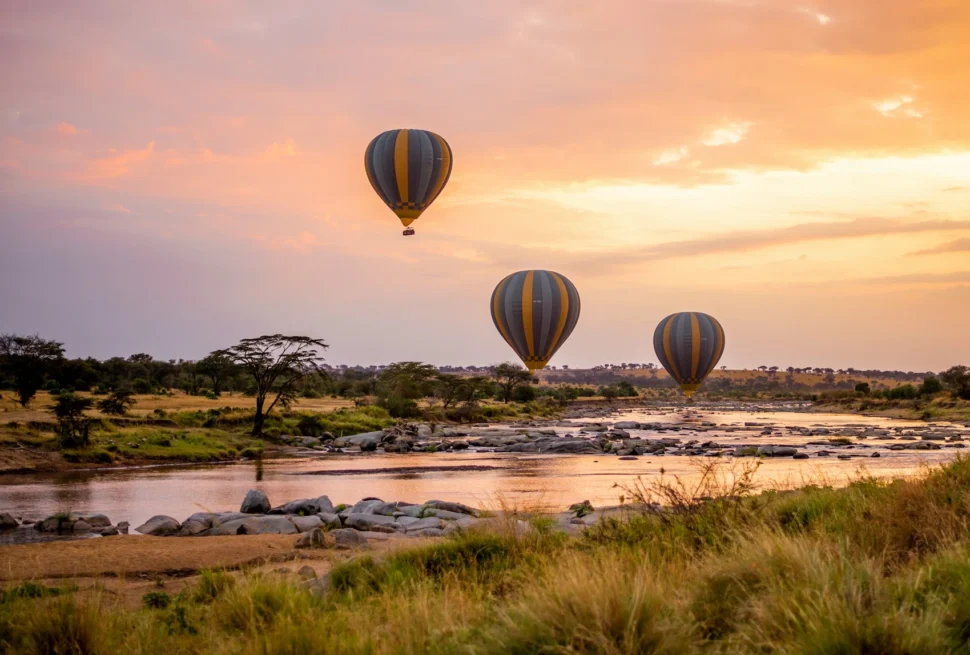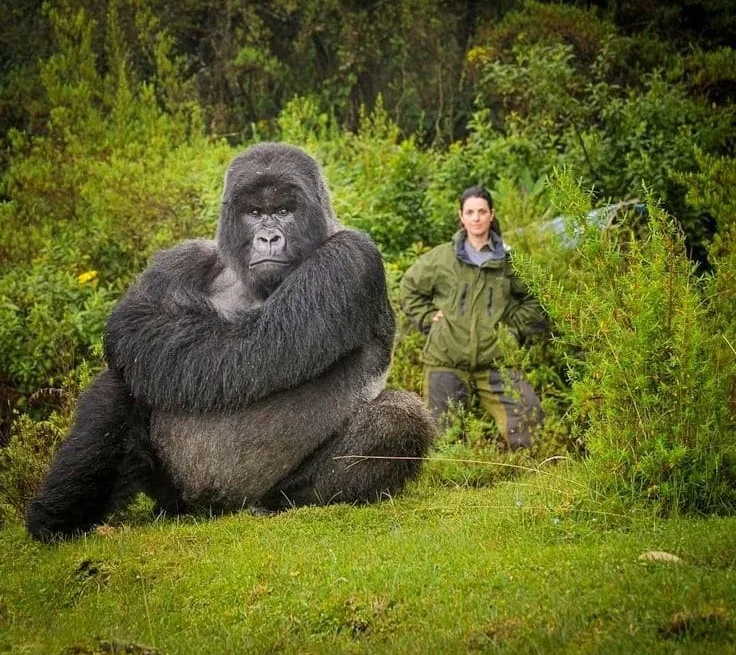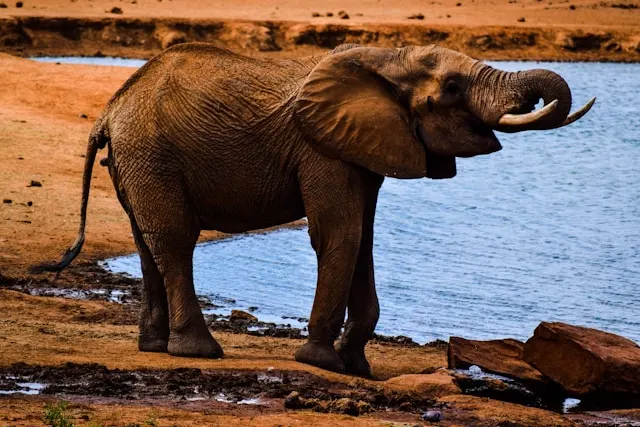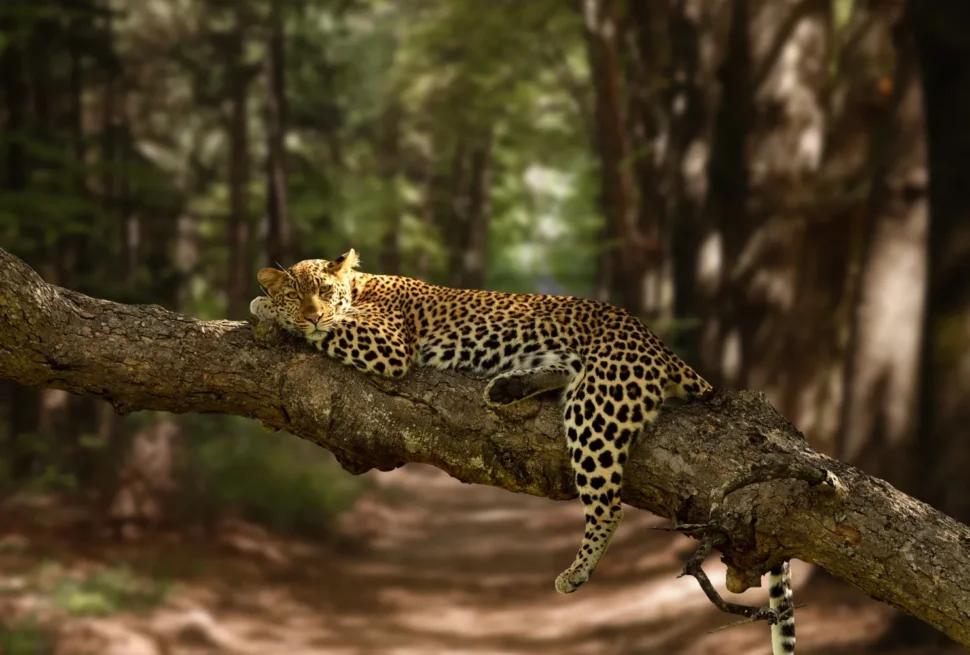
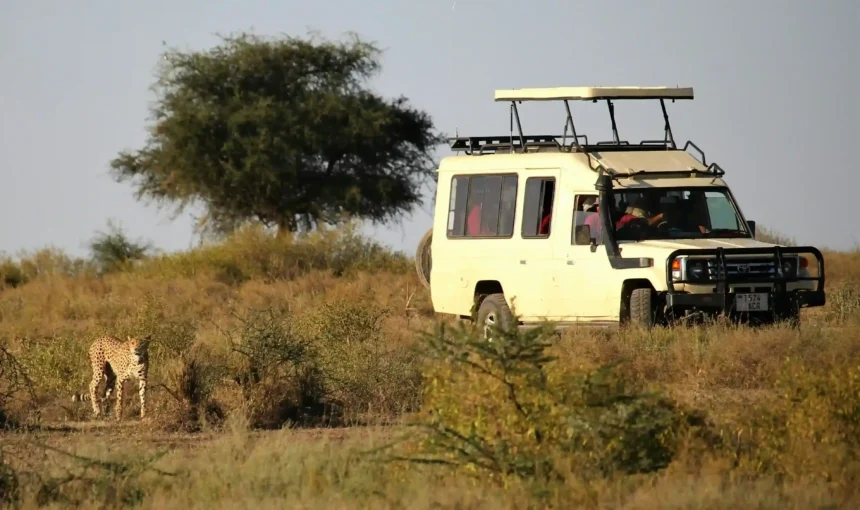
The time you leave camp can change the entire feel of a safari. At 6:30 a.m., the plains may still be cool, tracks are fresh, lions are often on the move, and elephants are spreading out from night feeding areas. By 11:00 a.m., many predators are resting, heat shimmer affects long-distance viewing, and photographers start fighting harsh light. In the late afternoon, the bush comes alive again as temperatures drop.
For most travellers, the best time for a game drive in East Africa is early morning or late afternoon. These windows match the daily rhythm of many animals and the practical routines of national parks across Uganda, Kenya and Tanzania. Still, no honest guide can guarantee sightings. Wildlife moves with weather, food, water, breeding cycles, migration patterns, road conditions and plain luck.
This guide compares early morning, late morning, afternoon and evening safaris, with examples from Murchison Falls, Queen Elizabeth, Kidepo Valley, Lake Mburo, Maasai Mara and Serengeti. It also explains where night drives fit in, because a normal evening game drive is not the same as a night drive.
How time of day changes wildlife viewing
Animals do not follow visitor schedules. They respond to temperature, safety, food, water, light and competition.
Across East Africa, many mammals reduce movement during the hottest hours. Lions, leopards and hyenas often hunt or travel in the cooler hours, then rest in shade as the sun rises. Grazers such as buffalo, zebra, Uganda kob, topi and wildebeest may feed through much of the day, but their direction and density often shift with water and shade. Elephants may be seen morning, afternoon or evening, though midday heat can push them toward riverine woodland, papyrus edges, forest patches or water sources.
Park operations also matter. In most national parks and reserves, game drives must follow official opening hours, speed limits and road rules. Guides cannot drive off-road in many public parks, even when an interesting animal is visible far from the track. Private conservancies and some concession areas may allow more flexibility, but rules vary by country and property.
That is why the best time for a safari game drive is not only about animals. It is also about legal access, visibility, road conditions, guide skill and how much time you have in the field.
Morning game drives are best for fresh tracks and predator movement
A morning game drive usually starts around sunrise, often between 6:00 a.m. and 6:30 a.m., depending on the park, season and lodge location. In many East African safari areas, this is the most productive drive of the day.
Cooler air helps animals move more freely. Tracks from the night are still fresh. Vultures may give clues to a kill. Hyenas may be returning to dens. Lions may still be walking before they settle. Leopards, which are more secretive, may be seen crossing roads or moving between trees before the light becomes too strong.
Morning also suits general wildlife viewing. In Uganda’s Queen Elizabeth National Park, the Kasenyi plains can be active early with Uganda kob, buffalo, elephants and lion searches. In Murchison Falls National Park, the northern bank often produces good morning sightings of giraffes, hartebeest, buffalo, elephants and sometimes lions. In Kenya’s Maasai Mara, early starts are valuable because big cats may still be active after a night of hunting. In Tanzania’s Serengeti, morning light over open plains helps guides scan for cheetahs, lions and moving herds.
Mornings are also practical for photography. Light is softer, shadows are longer, and animal eyes catch the sun more naturally. Dust is less aggressive before roads dry out in the day. Heat haze, which can blur long-lens images, is usually weaker.
The trade-off is simple. Morning starts are early, and it can be cold in open vehicles. In places such as Kidepo Valley, the Maasai Mara and the Serengeti, dawn temperatures can surprise travellers, especially in dry or high-altitude areas. A fleece or light jacket is often useful even when the day later becomes hot.
Late morning works for elephants, plains game and relaxed viewing
Late morning, roughly from 9:30 a.m. to noon, is often less productive for classic predator action. Lions may already be lying under shrubs, leopards may be hidden in thickets, and cheetahs may rest after the morning hunting window.
That does not mean the drive is wasted.
Late morning can be good for elephants at water points, giraffes feeding in open woodland, hippos returning to water, and plains animals with young. Birding can also remain strong, especially near wetlands, lakes and river systems. In Uganda, Kazinga Channel in Queen Elizabeth and the Nile delta area in Murchison Falls can still offer worthwhile sightings when combined with a boat trip. In Lake Mburo, late morning may reveal zebra, impala, eland and warthog around open tracks and woodland edges.
For first-time travellers, late morning drives are useful when arrival times do not allow an early start. They also suit families or visitors who want a slower pace. The main limitations are heat, glare and animal inactivity. On very hot days, guides often focus on water, shade lines, riverine areas and known resting zones rather than trying to cover huge distances.
For photography, late morning light is harder. White skies, strong contrast and shiny animal coats can make images look flat. Use exposure compensation carefully, avoid shooting straight into white glare, and look for animals in open shade.
Afternoon game drives are quieter but still worth using well
A standard afternoon drive often starts after lunch or a short rest, usually around 2:30 p.m. to 3:30 p.m. In the first part of the afternoon, wildlife activity can be slow, especially in hot months or lower-elevation parks.
This is the period when good guiding makes a difference. An experienced guide reads more than animal movement. They check wind direction, vulture behavior, alarm calls, shade pockets, water points and information from other licensed guides. They also know when to wait. A sleeping lion pride at 3:00 p.m. may look unpromising, but by 5:30 p.m. the same pride may stretch, greet, call, move with cubs or prepare to hunt.
The morning safari vs afternoon safari comparison is often misunderstood. Morning usually gives a better chance of active predators. Afternoon gives you a second chance, and it can become very strong as it turns into evening. It is also a good time for landscape context, animal behavior near water, and relaxed sightings without rushing back for breakfast.
In dry seasons, afternoons can be especially useful near permanent water. In Murchison Falls, elephants and buffalo may move toward the Nile. In Kidepo Valley, wildlife activity often relates strongly to water and shade, especially in dry periods. In Serengeti and Maasai Mara, herds may shift through the afternoon as temperatures ease.
The weak point is the early afternoon light. It can be harsh and overhead. Photographers should use this time to scout locations, capture wider habitat scenes, or wait for side lighting later in the drive.
Evening game drives give strong light and rising activity
An evening game drive usually means the late afternoon drive that ends around sunset, within official park rules. It is not automatically a night drive. In many parks, vehicles must be back at camp or out of the reserve by a set time unless a specific night drive has been booked and authorized.
Evening is one of the best times to see animals on safari because temperatures fall and many species become more comfortable moving. Grazers feed actively before dark. Elephants may gather near water or move into open areas. Lions start waking, grooming and calling. Leopards may leave thick cover as light drops. Hyenas begin patrolling.
Evening is also a favourite for photographers. Warm, low-angle light gives shape to animals and depth to grasslands. Dust behind moving herds can look dramatic when backlit, though it also requires careful exposure. Silhouettes can work well near sunset, especially with giraffes, elephants or acacia trees.
The limitation is time. Once you find good action late in the day, you may have only minutes before park rules require departure. Guides must balance the sighting with the return distance. In large parks such as Serengeti, Maasai Mara, Murchison Falls and Kidepo, this matters. A good sighting far from camp can become stressful if the vehicle must cover rough tracks before closing time.
Morning game drive vs evening game drive comparison
The morning game drive vs evening game drive choice depends on what you value most. For many safari guides, the best plan is not either morning or evening. It is both, with rest during the hottest middle hours.
| Game drive time | Best for | Wildlife activity | Light and photography | Main drawback |
| Early morning, sunrise to about 9:30 a.m. | Predators, fresh tracks, cool weather, birding | Often high, especially for lions, hyenas and moving herbivores | Soft light, less heat haze, natural colour | Very early start, can be cold |
| Late morning, about 9:30 a.m. to noon | Elephants, plains game, wetlands, relaxed viewing | Moderate, predators often resting | Harsh light, but still workable near shade or water | Heat and glare increase |
| Afternoon, about 2:30 p.m. to 4:30 p.m. | Scouting, water points, slow-paced drives | Often low to moderate until temperatures drop | Strong overhead light at first | Animals may be inactive |
| Evening, about 4:30 p.m. to sunset | Big cats waking, elephants, golden light, behavior | Often rises toward sunset | Excellent warm light, good silhouettes | Limited time before closing |
| Night drive, after dark where permitted | Nocturnal species, leopard movement, genets, bush babies | Can be good, but very variable | Spotlight-based, not the same as daylight photography | Only allowed in specific areas with authorization |
If the question is, is a morning or evening game drive better?, choose morning for the strongest all-round chance of active wildlife and choose evening for light, atmosphere and rising predator movement. For serious wildlife viewing, book both when the itinerary allows.
How Uganda, Kenya and Tanzania differ
East Africa has shared wildlife rhythms, but each country has its own park layouts, rules and safari style.
Uganda game drive timing
A Uganda game drive is often shaped by mixed habitats. Uganda’s savanna parks include open plains, woodland, wetlands, crater areas, river systems and papyrus edges. That variety helps wildlife viewing, but it can also make animals harder to scan than on very open plains.
In Murchison Falls National Park, morning drives on the northern bank are very productive for giraffes, elephants, buffalo, hartebeest, oribi and lions when present near the tracks. Afternoon drives can work well when animals move toward the Nile.
In Queen Elizabeth National Park, Kasenyi is a key area for lions and Uganda kob, while the Mweya and channel areas are strong for elephants, buffalo, hippos and birds. The Ishasha sector is known for tree-climbing lions, but sightings need patience and are never guaranteed.
Kidepo Valley National Park rewards early starts because the landscape is wide and temperatures can rise sharply. Wildlife often relates to the Narus Valley, especially when water is limited. Lake Mburo National Park is smaller, so drive timing can be flexible, but early morning and late afternoon still give the best light and animal movement.
For many travellers, the best time for a game drive in Uganda is early morning, followed by late afternoon. The best time of day to see wildlife in Uganda depends on the park, but cool hours are the safest planning rule. If choosing a morning or evening game drive in Uganda, morning is usually better for broad wildlife viewing, while evening is excellent for light and relaxed animal behavior.
Kenya game drive timing
A Kenya game drive in the Maasai Mara can be exceptional in the early morning because of open terrain, high predator density in many areas, and good visibility across grasslands. Lions, cheetahs and hyenas are often easier to scan at distance than in thicker woodland parks.
The best time of day for a safari in Kenya is usually early morning and late afternoon, especially in the Mara and surrounding conservancies. Private conservancies may offer more flexible activities, including off-road driving in controlled ways and night drives where allowed by the conservancy. The main Maasai Mara National Reserve does not operate like a free-for-all night safari area, so travellers should confirm rules based on the exact reserve or conservancy booked.
Late morning and midday drives can still be useful during migration season if river crossing activity is possible, but crossings cannot be scheduled. Herds approach, wait, retreat and move again based on pressure, river conditions and predator presence.
Tanzania game drive timing
A Tanzania game drive in Serengeti National Park often rewards time in the field. The ecosystem is huge, and animal locations change with rainfall and grazing. Early mornings are strong for big cats, especially when guides know recent movement patterns. Late afternoons are excellent for lion activity and warm light over open plains.
The best time of day for a safari in Tanzania is also early morning and late afternoon in most classic northern circuit parks. In Serengeti, long distances matter. A full-day drive may be necessary when herds are far from camp, but photographers still get the best light at the beginning and end of the day.
Night drives are not standard everywhere in Tanzania’s national parks. They are offered only in selected parks or authorized areas under specific rules. Serengeti visitors should not assume that a normal booking includes night drives inside the national park.
Standard game drives and night drives are different
A normal morning, afternoon or evening game drive takes place in daylight, inside allowed park hours. A night drive starts after dark and uses a spotlight under controlled rules. It is designed for nocturnal wildlife and different behavior.
In Uganda, night game drives are available in selected savanna parks and must be arranged through the proper authority, lodge or operator with an authorized ranger or guide. Lake Mburo and Queen Elizabeth are commonly included in night-drive itineraries, while availability in parks such as Murchison Falls and Kidepo should be confirmed for the exact travel dates and sector. Rules can change, and not every lodge location gives equal access.
In Kenya, night drives are generally associated with private conservancies and private reserves, including some areas around the Maasai Mara. They are not the same as standard drives inside the main Maasai Mara National Reserve.
In Tanzania, night drives operate only in selected parks or approved areas. Serengeti National Park should be treated as a daylight game drive destination unless a confirmed, authorized arrangement says otherwise.
This distinction matters because night drives are not just “evening drives that run late.” They require permission, trained guiding, correct spotlight use and respect for animal welfare.
The best times for specific animals
The best time for wildlife viewing in East Africa changes by species, but these patterns help with planning.
Lions
The best time to see lions on safari is usually early morning or late afternoon. Lions rest for long periods, often through the heat of the day. Morning may show them walking back from hunting, while evening may show them stretching, socializing or preparing to move.
Leopards
The best time to see leopards in East Africa is often early morning, late evening or during authorized night drives where allowed. Leopards are secretive and use cover well. In daylight, guides look for alarm calls, impala staring into thickets, baboons calling, or a tail hanging from a tree.
Elephants
The best time to see elephants on safari is less strict. They can appear throughout the day, especially near water, forests and riverine areas. Morning and late afternoon are more comfortable for viewing and photography, while midday can work near permanent water.
Cheetahs
Cheetahs often hunt by sight and may use cooler morning hours, though they can also hunt during the day when lions and hyenas are resting. Open areas of Maasai Mara and Serengeti give the best scanning conditions.
Hippos and crocodiles
Hippos spend most daylight hours in water, so boat safaris in places such as the Kazinga Channel or the Nile at Murchison Falls are often better than vehicle-only searches. Crocodiles are often seen basking when temperatures suit them.
Practical tips for photographers
Safari photography depends as much on timing and vehicle position as on equipment.
- Carry a beanbag or use the vehicle frame carefully for support. Tripods are usually awkward in safari vehicles.
- Set a faster shutter speed for moving animals, especially in low morning or evening light.
- Watch your ISO as light changes quickly around sunrise and sunset.
- Avoid packing gear away too early. Many strong sightings happen on the drive back to camp.
- In harsh late morning light, look for side-lit subjects, shade, dust, reflections and behavior rather than perfect portraits.
- For animals against bright sky, such as lions on termite mounds or birds in trees, adjust exposure so the subject does not become too dark.
- Keep a wide lens ready. East Africa is not only close-up portraits. Habitat images tell a better story.
For serious photographers, do not plan only one drive per park. Weather, road access and animal movement can make one session quiet and the next one excellent.
Practical tips for first-time safari travellers
A good safari schedule balances ambition with rest. Trying to drive all day, every day can leave travellers tired just when sightings improve.
Use these field-tested tips:
- Start early at least once in every major park.
- Wear layers. Dawn can be cold, even in countries near the equator.
- Keep binoculars within reach, not packed in a bag.
- Do not judge a drive in the first 20 minutes. Good sightings often come after patient searching.
- Listen to the guide when they choose to wait. Waiting near a resting predator can be better than rushing from place to place.
- Expect dust in dry seasons and mud in wet seasons.
- Carry water, sunscreen and a hat, but avoid strong fragrances.
- Respect park rules. No loud calling, no feeding wildlife, no standing at risky moments, no pressure on the guide to drive off-road where it is not allowed.
People often ask, how long does a game drive take in East Africa? A standard drive commonly lasts about 2 to 4 hours, depending on the park, lodge location and activity plan. Full-day drives are common in large parks such as Serengeti, Maasai Mara and Kidepo when distances are long or wildlife is spread out.
How Nturo Safaris plans game drives
Nturo Safaris is a Uganda-based safari operator offering customized East African safaris across Uganda, Kenya and Tanzania. A well-planned route does more than list famous parks. It matches drive times to wildlife patterns, park rules, lodge locations and realistic travel distances.
For example, a Uganda itinerary may use early morning in Murchison Falls for savanna wildlife, a boat safari on the Nile during the warmer part of the day, and a late afternoon drive when animals move again. In Queen Elizabeth, the plan may combine Kasenyi plains, the Kazinga Channel and, when suitable, the Ishasha sector. For Kenya and Tanzania combinations, timing matters even more because long transfers can reduce the number of prime game drive hours.
The best safari plans leave space for the bush to surprise you. They also avoid promising what no operator can control. Wildlife sightings are influenced by nature, not a timetable.
FAQs on the best time for East Africa game drives
Is a morning or evening game drive better?
Morning is usually better for fresh tracks, cooler temperatures and active predators. Evening is better for warm light, relaxed viewing and animals becoming active before dark. If possible, do both.
What is the best time to see animals on safari?
The best time to see animals on safari is usually early morning and late afternoon. Midday can still produce sightings near water, shade and wetlands, but many predators rest during hot hours.
What is the best time for wildlife safari in Uganda?
For wildlife viewing in Uganda, early morning is usually the strongest time in parks such as Murchison Falls, Queen Elizabeth, Kidepo Valley and Lake Mburo. Late afternoon is also very good, especially for elephants, buffalo, lions and general plains game.
Are evening game drives the same as night drives?
No. An evening game drive usually ends around sunset within normal park hours. A night drive takes place after dark and is allowed only in specific parks, conservancies or authorized areas with proper guiding.
Can I do night drives in Maasai Mara and Serengeti?
In Kenya, night drives are usually offered in private conservancies around the Maasai Mara, not as standard drives inside the main national reserve. In Tanzania, night drives are only allowed in selected parks or approved areas. Do not assume Serengeti includes night drives unless your operator confirms official permission.
Which drive is best for photography?
Early morning and late afternoon are best for photography because the light is softer and more directional. Late morning and early afternoon can be harsh, but they still work for behavior, water scenes and wider habitat images.
Are wildlife sightings guaranteed on East Africa game drives?
No. A skilled guide improves your chances by reading tracks, weather, habitat and animal behavior, but sightings are never guaranteed. That uncertainty is part of real safari travel.
How many game drives should I plan in one park?
Plan at least two drives in key parks, ideally one morning and one evening. In larger areas such as Serengeti, Maasai Mara, Murchison Falls and Kidepo, more time gives you a better chance of varied sightings.
The practical answer
The best safari schedule in East Africa uses the cool edges of the day. Start early when tracks are fresh and predators may still be moving. Go out again in the late afternoon when heat drops and the light improves. Use late morning and early afternoon for boat trips, transfers, wetlands, water points or rest.
For a simple rule, choose morning for the highest all-round wildlife potential and evening for the best light and renewed animal activity. For the strongest East Africa safari, plan both, follow park rules, and give each drive enough time to develop.