Menu

Tanzania Wildlife Safaris

Tanzania wildlife safaris offer some of the most authentic and diverse safari experiences in Africa.

Home to world-renowned national parks and protected areas, Tanzania provides exceptional opportunities for game viewing, birdwatching, walking safaris, and photographic tours.

Visitors can see the African Big Five – lion, leopard, elephant, buffalo, and rhino – alongside wildebeest, zebras, cheetahs, chimpanzees, giraffes, and hundreds of bird species.

Why Choose Tanzania for a Wildlife Safari?

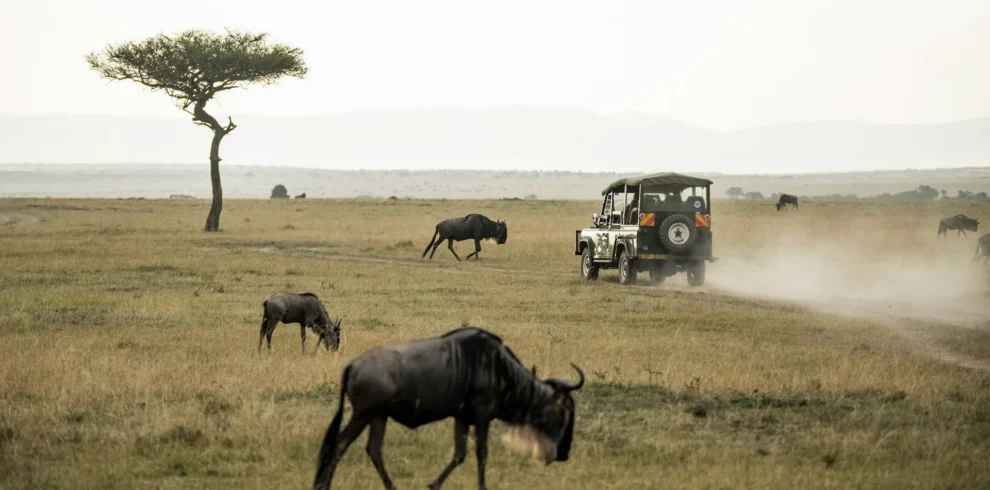
Tanzania stands out as one of the best safari destinations in Africa due to its vast landscapes, high wildlife density, and iconic natural landmarks. The country hosts unique attractions such as Mount Kilimanjaro, Africa’s highest mountain, and the legendary Serengeti Plains, famous for the Great Wildebeest Migration - the largest wildlife movement on Earth.

Northern Circuit Safaris in Tanzania

The Northern Safari Circuit is Tanzania’s most popular safari region and includes:
- Serengeti National Park
- Ngorongoro Crater
- Lake Manyara National Park
- Tarangire National Park
This circuit is best known for the Great Migration, which attracts massive concentrations of predators including lions, leopards, cheetahs, and hyenas. It is the top choice for first-time safari travellers and those seeking classic big-game experiences.
Tanzania Safaris

Popular Adventures in Tanzania

Visit three of Kenya's most iconic safari destinations on this...

5 Days 2 People
$1995

This is a 4-day group tour that takes you around...

4 Days 1 Person
$1800

Discover the ultimate East Africa adventure on this 21-day multi-country...
, , , , 21 Days 2 People
$9592

Travel is the movement of people between relatively distant geographical...

, 8 Days 2 People
$1699

Southern Circuit Safaris: Remote & Exclusive

The Southern Safari Circuit offers a quieter, more exclusive safari experience with fewer visitors and expansive wilderness areas. Key destinations include:
- Ruaha National Park
- Nyerere National Park (formerly Selous Game Reserve)
These parks are ideal for travelers seeking off-the-beaten-path safaris, boat safaris, and uncrowded game viewing.

Western Tanzania Safaris & Chimpanzee Trekking

For true wilderness enthusiasts, Western Tanzania provides some of Africa’s most untouched parks:
- Mahale Mountains National Park
- Katavi National Park
These destinations are famous for chimpanzee trekking, dramatic scenery, and exceptionally low tourist numbers, offering a raw and immersive safari experience.

Tanzania Safari & Beach Holidays

A Tanzania safari can be perfectly combined with a beach escape. Zanzibar Island, located off Tanzania’s coast, is known for its historic Stone Town, white-sand beaches, and luxury beach resorts. Pemba Island and Mafia Island offer secluded island experiences and are among East Africa’s best destinations for scuba diving and marine safaris.

Tanzania Safari FAQ: Everything You Need to Know Before Booking

The best month to go on a safari in Tanzania is during the peak dry season from July to October. During this period, wildlife gathers around predictable water sources, vegetation is thin, and the weather is generally dry and pleasant, making animals exceptionally easy to spot.

The Great Migration is a year-round movement, but you can see it at these key stages:

January to March: The calving season takes place in the Southern Serengeti and Ndutu region.

June to July: The herds move north, facing the dramatic Grumeti River crossings.

August to October: The iconic Mara River crossings happen in the Northern Serengeti before herds move into Kenya.

The average cost of a Tanzania safari varies significantly by comfort level:

Budget Safaris (Camping): $250 to $350 per person, per day.

Mid-Range Safaris (Tented Lodges): $450 to $700 per person, per day.

Luxury Safaris (High-end Lodges): $850 to $1,500+ per person, per day.

An optimal Tanzania safari requires 6 to 8 days. This timeframe allows you to comfortably explore the highlights of the Northern Circuit—such as Tarangire, Lake Manyara, Ngorongoro Crater, and the Serengeti—without spending your entire trip driving between parks.

The “Big Five” refers to the lion, leopard, elephant, African buffalo, and black rhino. You can see all five in Tanzania. The Ngorongoro Crater and Serengeti National Park are your best options for spotting the elusive black rhino and leopard alongside the other three species.

Yes, most international travelers require a tourist visa to enter Tanzania. You can apply for a Tanzania eVisa online prior to departure, or purchase a visa on arrival at major entry points like Kilimanjaro International Airport (JRO) and Julius Nyerere International Airport (DAR) for $50 ($100 for US citizens).

There are no mandatory vaccinations for Tanzania unless you are arriving from a country with a risk of Yellow Fever, in which case a Yellow Fever vaccination certificate is strictly required. However, the CDC and WHO strongly recommend routine vaccines, Hepatitis A and B, Typhoid, and Malaria prophylaxis.

Tanzania is widely considered one of the safest safari destinations in Africa. The tourism industry is highly regulated, and violent crime against tourists is rare. Normal travel precautions apply: avoid walking alone at night in major cities like Dar es Salaam or Arusha, and keep your valuables secure.

The Northern Circuit: Includes the Serengeti, Ngorongoro, and Tarangire. It offers world-famous wildlife densities and the Great Migration, but experiences higher tourist crowds.

The Southern Circuit: Includes Nyerere National Park (Selous) and Ruaha. It offers a remote, wild, and off-the-beaten-path experience with fewer crowds and excellent walking safaris.

Yes, combining a mainland safari with a Zanzibar beach holiday is one of the most popular itineraries in Africa. Frequent, short domestic flights connect bush airstrips or Arusha Airport directly to Zanzibar, allowing you to transition from a dusty game drive to a tropical beach in just a few hours.

Your packing list should prioritize lightweight, breathable layers in neutral colors (khaki, green, tan). Avoid blue and black clothing, as they attract biting tsetse flies. Essential items include a wide-brimmed hat, polarized sunglasses, high-SPF sunscreen, effective insect repellent, a sturdy pair of closed-toe shoes, and a good camera with a zoom lens.

In most reputable, all-inclusive safari packages, park entry fees are included in the total price. However, you should always double-check your tour operator’s terms. Fees can range from $60 to $80+ per adult, per day for major parks like the Serengeti, plus additional vehicle and crater-descent fees.

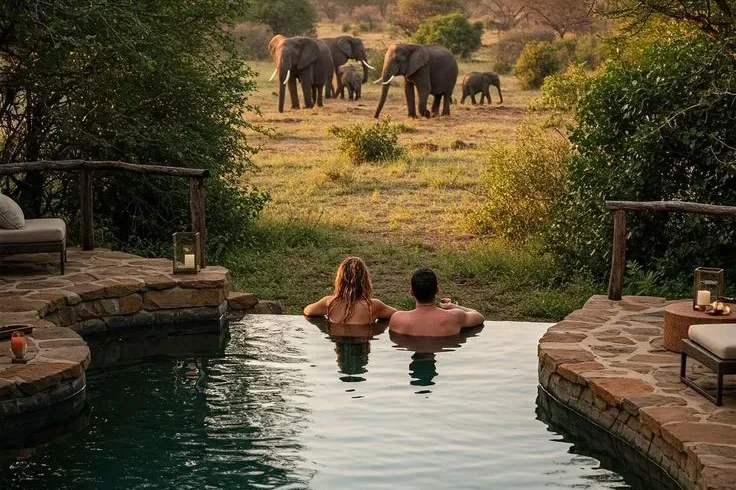
Accommodation options range from basic public campsites where you sleep in dome tents, to mid-range permanent tented camps with en-suite bathrooms and real beds, to ultra-luxury lodges featuring private plunge pools, fine dining, and butler service.

While there is no official legal age limit, many safari lodges and operators recommend children be at least 6 to 8 years old. Long hours on bumpy, dusty roads in enclosed vehicles can be challenging for toddlers, and some luxury properties have strict minimum-age policies for safety and atmosphere.

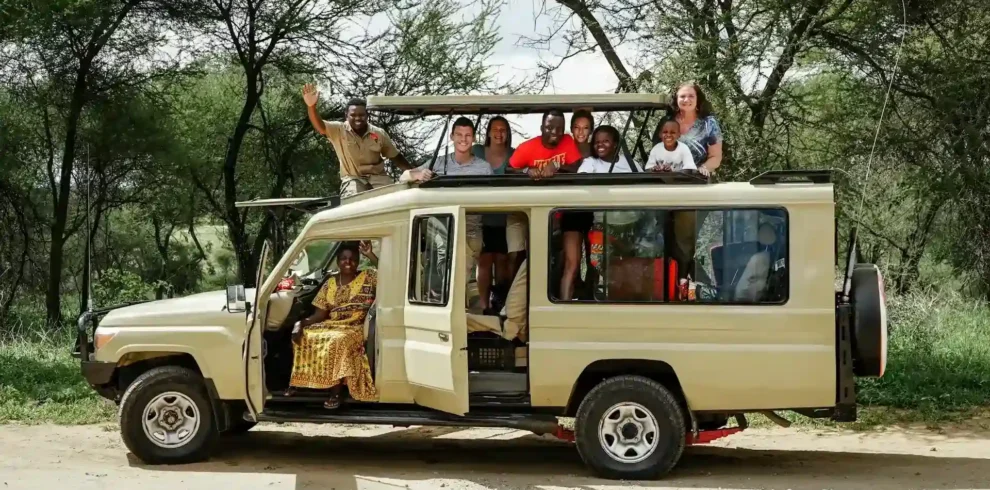
The standard vehicle is a closed 4×4 Toyota Land Cruiser specifically retrofitted for safaris. They feature large windows, charging stations, a fridge for cold drinks, and a pop-up roof that lifts up during game drives to give you unobstructed, 360-degree views for wildlife photography.

No, tap water is not safe to drink in Tanzania. You should only drink bottled water, or water that has been filtered and purified. Reputable safari operators provide an unlimited supply of clean, bottled drinking water in their vehicles and at your accommodations throughout the trip.

Tipping is a customary and highly appreciated way to reward good service on safari. Standard benchmarks are:

Safari Guide: $15 to $25 per day, per group.

Lodge Staff (General Tip Box): $10 to $20 per day, per group.

Trackers/Camp Crew: $5 to $10 per day.

Tanzania has two rainy seasons: the “short rains” in November and December, and the “long rains” from late March to May. While some remote camps close during the long rains, this “Green Season” offers lower prices, fewer crowds, lush green landscapes, and excellent birdwatching opportunities.

No, the Great Wildebeest Migration does not enter the Ngorongoro Crater. The herds remain on the plains of the Serengeti ecosystem. However, the Ngorongoro Crater floor hosts its own resident population of around 25,000 large mammals, including lions, elephants, and black rhinos, which stay in the caldera year-round.

You should book your safari 6 to 12 months in advance, especially if you plan to travel during the peak dry season (July to October) or the Christmas holidays. High-demand luxury lodges and properties located near the Great Migration river crossings have limited capacity and fill up quickly.