A strong Kenya and Uganda safari works best when it avoids one common mistake: trying to see too much by road. The Maasai Mara, Bwindi Impenetrable National Park, and Kibale Forest National Park sit far apart, and the route crosses an international border. With smart flight planning, though, a 12-day Kenya and Uganda safari can combine big cats, plains game, mountain gorillas, and chimpanzees without turning the trip into a daily transfer.
This guide lays out a practical Kenya and Uganda safari itinerary for travelers who want the Maasai Mara first, then Uganda’s primates. It includes realistic travel times, where to overnight, how to handle permits, and what to check before booking.
Overview of the 12-day Kenya Maasai Mara and Uganda primate safari
This route is designed for a traveler who wants a Kenya wildlife safari and Uganda gorilla trekking experience with sensible pacing.
| Day | Destination | Main activity | Overnight |
| 1 | Nairobi | Arrival and rest | Nairobi |
| 2 | Maasai Mara | Fly or drive to the Mara, afternoon game drive | Maasai Mara |
| 3 | Maasai Mara | Full-day game drive | Maasai Mara |
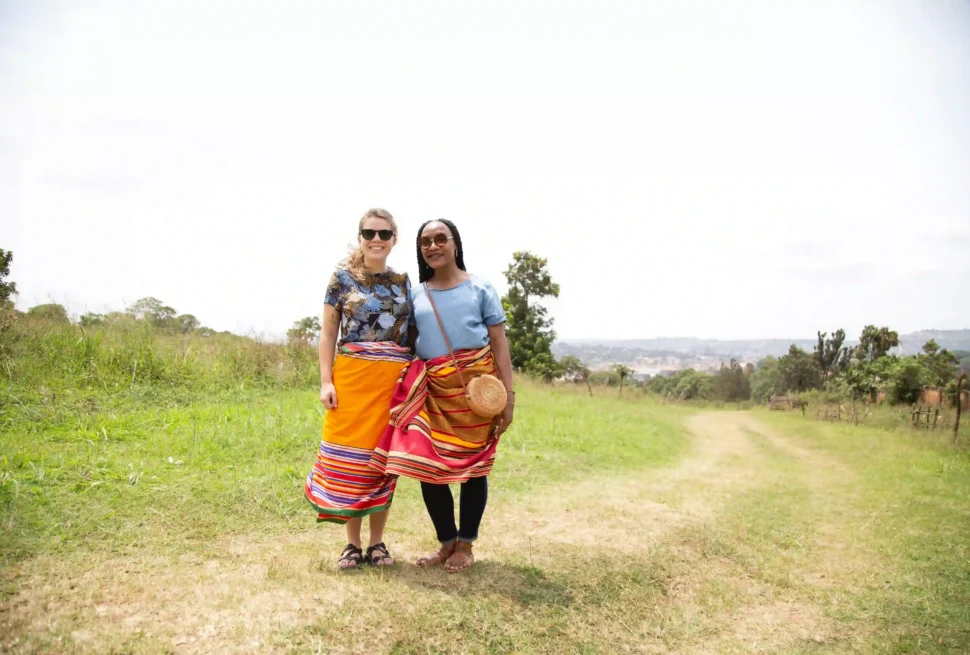
| 4 | Maasai Mara | Game drives, optional cultural visit | Maasai Mara |
| 5 | Entebbe | Fly from Mara to Nairobi, then Entebbe | Entebbe |
| 6 | Kibale area | Drive or fly toward Kibale | Fort Portal or Kibale |
| 7 | Kibale Forest | Chimpanzee trekking | Kibale or Fort Portal |
| 8 | Bwindi | Transfer to Bwindi | Bwindi |
| 9 | Bwindi | Gorilla trekking | Bwindi |
| 10 | Bwindi or Lake Bunyonyi | Rest day or optional forest walk | Bwindi or Lake Bunyonyi |
| 11 | Entebbe | Fly or drive back to Entebbe | Entebbe |
| 12 | Entebbe | Departure | Flight home |
This is a realistic Maasai Mara Bwindi and Kibale safari itinerary if you use at least two flights: one into the Mara and one between Kenya and Uganda. A fully road-based version is possible, but it is long and less comfortable.
Day-by-day itinerary
Day 1, arrive in Nairobi
Most international travelers arrive through Jomo Kenyatta International Airport in Nairobi. Spend the night in Nairobi rather than connecting straight to the bush, especially after a long-haul flight.
Good overnight areas include Karen, Westlands, or near the airport if you arrive late. If time allows, visit the Nairobi National Museum or the Sheldrick Wildlife Trust, but keep the day light.
Suggested overnight: Nairobi hotel or boutique guesthouse.
Day 2, fly to the Maasai Mara
For comfort, fly from Nairobi Wilson Airport to a Maasai Mara airstrip such as Keekorok, Ol Kiombo, Musiara, or Serena, depending on your camp location. Scheduled safari flights usually take about 45 to 60 minutes, followed by a road transfer to camp.
Driving from Nairobi to the Maasai Mara usually takes 5 to 6 hours, sometimes longer with traffic and road conditions. A road transfer can suit tighter budgets, but flying saves energy and adds more time in the reserve.
Arrive for lunch, settle in, and take an afternoon game drive.
Suggested overnight: Maasai Mara lodge or tented camp.
Day 3, full-day Maasai Mara wildlife safari
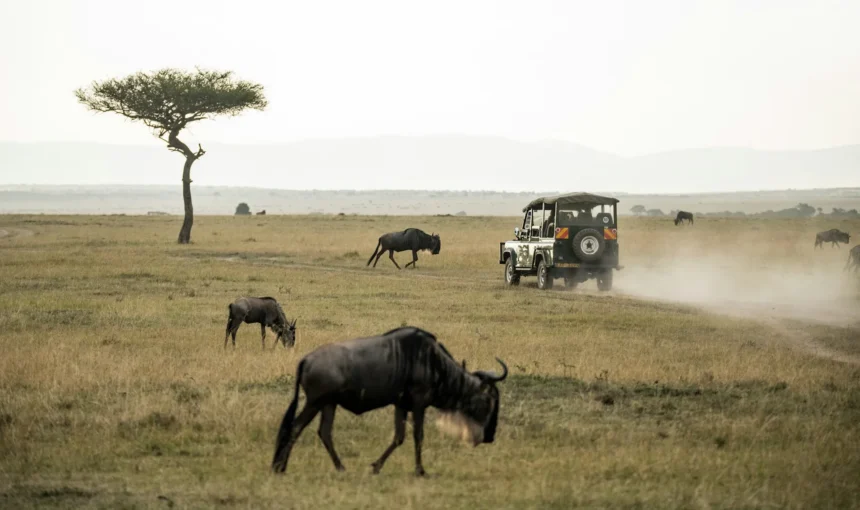
Spend the day exploring the Maasai Mara National Reserve or a nearby conservancy, depending on where you stay. The Mara supports lions, elephants, buffalo, giraffes, hyenas, cheetahs, and many antelope species throughout the year.
A full-day drive with a picnic lunch is useful if wildlife is spread out or if your guide wants to follow reports from different areas. During the migration period, river crossings may happen near the Mara River, but they are never guaranteed.
Suggested overnight: Maasai Mara lodge or tented camp.
Day 4, more time in the Mara
A third night in the Mara is helpful. It gives you a better chance of varied sightings and avoids making the Kenya portion feel rushed. Early morning and late afternoon drives are often productive because temperatures are cooler and predators may be active.
Travelers who stay in private conservancies can often add night drives or guided walks, subject to conservancy rules. Inside the national reserve, activities follow reserve regulations.
Suggested overnight: Maasai Mara lodge or tented camp.
Day 5, travel from the Maasai Mara to Entebbe
This is the key connection day for a Kenya Maasai Mara and Uganda primate safari.
There are two practical options:
Option 1, Mara to Nairobi to Entebbe
Fly from the Maasai Mara to Nairobi Wilson, transfer by road to Jomo Kenyatta International Airport, then fly to Entebbe International Airport. Direct Nairobi to Entebbe flights are commonly operated by regional carriers such as Kenya Airways and Uganda Airlines, with a flight time of about 1 hour 15 minutes. Allow enough time for the airport transfer and check-in.
Option 2, Mara to Entebbe via regional safari flight connections
Some safari flight networks have offered routings between the Maasai Mara and Entebbe, sometimes via Kisumu for immigration and customs. These schedules can be seasonal and may not operate daily, so they must be checked before confirming the itinerary.
Because airline schedules change, Nturo Safaris should confirm current routes with the operating airlines, the Kenya Civil Aviation Authority where relevant, and Entebbe airport guidance before deposit payment.
Suggested overnight: Entebbe hotel near Lake Victoria or the airport.
Day 6, travel to Kibale Forest National Park
From Entebbe, Kibale can be reached by road in about 5 to 6 hours, depending on traffic around Kampala and road conditions. The drive passes tea estates and crater lake scenery near Fort Portal.
A faster option is a scheduled or charter flight from Entebbe/Kajjansi to western Uganda airstrips such as Kasese, followed by a road transfer to Kibale. This reduces road time, but schedules and baggage limits must be checked carefully.
Suggested overnight: Kibale Forest lodge or Fort Portal hotel.
Day 7, Kibale Forest chimpanzee trekking
Kibale is one of East Africa’s best-known chimpanzee trekking areas. Treks usually start with a briefing by Uganda Wildlife Authority guides, then continue into the forest with a small group.
Chimpanzee sightings are common in Kibale, but they are still wild animals that move with food availability and weather. Treks can take a few hours, and time with the habituated chimpanzees is limited under park rules.
In the afternoon, consider Bigodi Wetland Sanctuary for birds, monkeys, and community-guided walking. It pairs well with Kibale Forest chimpanzee trekking without adding heavy travel.
Suggested overnight: Kibale Forest lodge or Fort Portal hotel.
Days 8 to 10, Bwindi gorilla trekking
Day 8, transfer from Kibale to Bwindi
The drive from Kibale to Bwindi varies by sector. Expect around 6 to 8 hours depending on whether your gorilla permit is for Buhoma, Ruhija, Rushaga, or Nkuringo.
This is a long day, but it is manageable with an early start. Your gorilla permit sector matters, because Bwindi is not one single easy-access gate. Lodges should be booked near the correct trailhead.
Suggested overnight: Lodge near your assigned Bwindi sector.
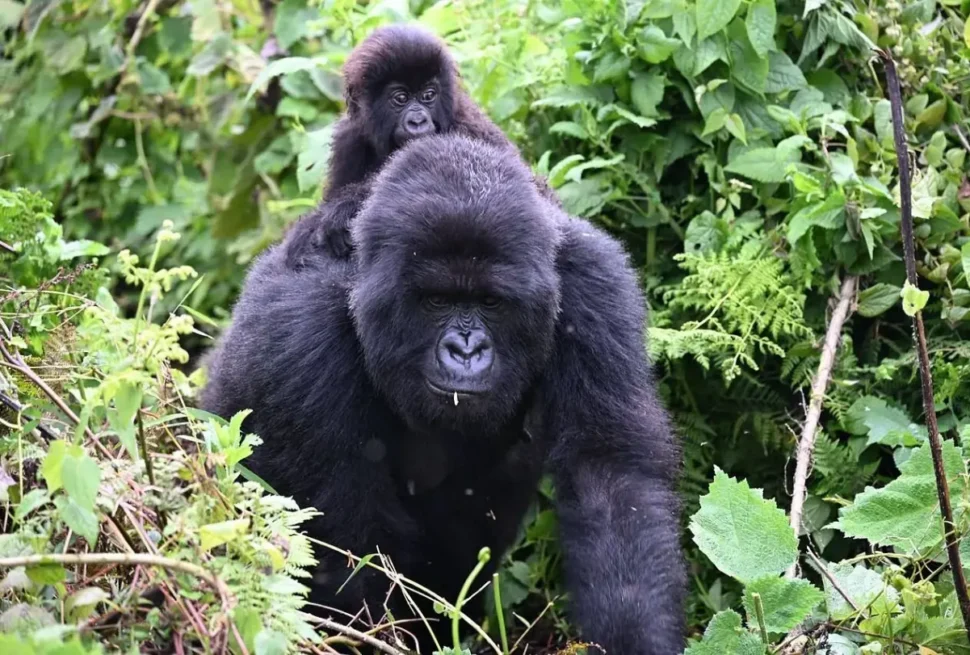
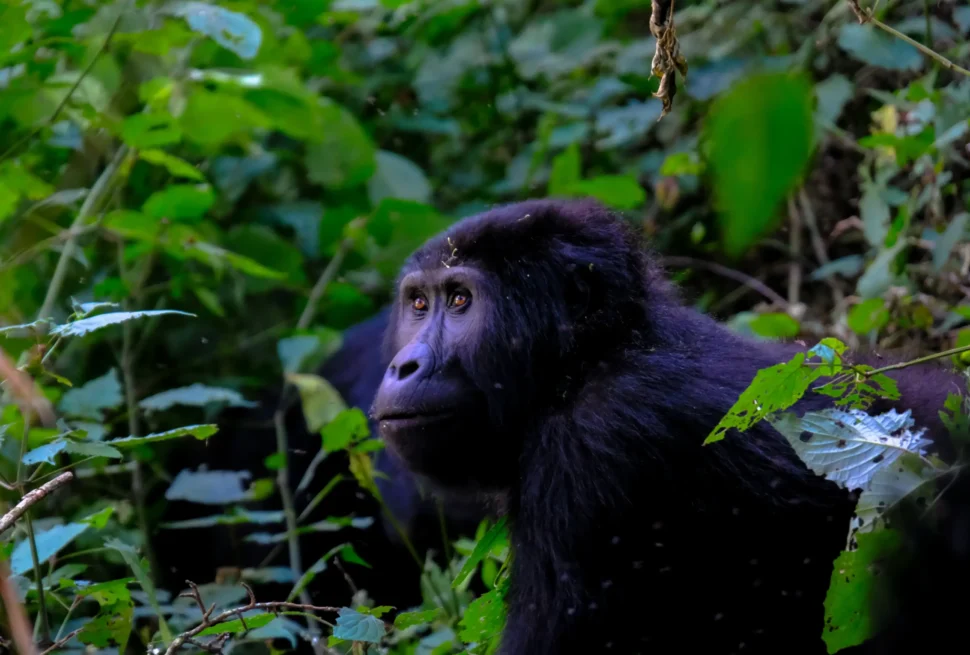
Day 9, gorilla trekking in Bwindi Impenetrable National Park
Gorilla trekking starts early with a Uganda Wildlife Authority briefing. Trekkers are assigned to a gorilla family based on permit availability, fitness, and guide decisions. The walk can be short or physically demanding depending on where the gorillas moved overnight.
Once the group reaches the gorillas, viewing time is limited to protect the animals and manage visitor impact. Current rules also include minimum age limits, group size limits, and health precautions. Travelers with flu-like symptoms may be refused trekking because gorillas are vulnerable to human illnesses.
For many travelers, Maasai Mara and Bwindi gorilla trekking is the main reason to combine Kenya and Uganda in one trip.
Suggested overnight: Bwindi lodge.
Day 10, rest day in Bwindi or Lake Bunyonyi
A buffer day after gorilla trekking is useful. It protects the itinerary if flights shift, roads are slow, or trekkers want a slower pace after the forest walk.
Options include:
- A second gorilla trek, if permits are available
- A guided forest or waterfall walk
- A Batwa cultural experience arranged through responsible local operators
- A transfer to Lake Bunyonyi for a quieter overnight before returning to Entebbe
A second gorilla trek increases the budget, but it gives a different experience because terrain, behavior, and group dynamics vary.
Suggested overnight: Bwindi or Lake Bunyonyi.
Days 11 and 12, return to Entebbe and depart
Day 11, fly or drive back to Entebbe
The most comfortable option is to fly from Kihihi or Kisoro airstrip to Entebbe, depending on your Bwindi sector. Typical flight time is around 1.5 hours, plus road transfers at both ends. Weather, aircraft routing, and schedules can affect timings.
Driving from Bwindi to Entebbe can take 8 to 10 hours or more. It is possible, but it makes for a tiring end to the trip. If budget allows, fly.
Suggested overnight: Entebbe hotel.
Day 12, depart Entebbe
Depart from Entebbe International Airport. If your flight leaves late, visit the Entebbe Botanical Gardens or take a short boat trip on Lake Victoria, time and weather permitting.
This completes a balanced Kenya and Uganda wildlife tour that combines a Maasai Mara wildlife safari, an Uganda gorilla trekking safari, and chimpanzee tracking in Kibale.
Permits, park fees, and booking rules
Permit and park fees change, so every quote should be checked against official sources before booking. The most reliable sources are the Uganda Wildlife Authority for Uganda permits and park rules, Narok County or the relevant Maasai Mara authority for reserve fees, Kenya Wildlife Service for broader Kenya park information, and official immigration portals for visas.
As of recent Uganda Wildlife Authority tariff periods, foreign nonresident gorilla permits have been listed at US$800 per person, while Kibale chimpanzee tracking permits have been listed at US$250 per person. These figures should be reconfirmed before payment, especially if travel dates fall in a new tariff year.
For Bwindi:
- Book gorilla permits before confirming lodges.
- Match the lodge to the permit sector.
- Carry your passport for permit verification.
- Follow ranger instructions on distance, masks if required, voice level, and viewing time.
For Kibale:
- Chimpanzee permits are date-specific.
- Morning and afternoon tracking slots may be available.
- Popular months can sell out, so book early.
For the Maasai Mara:
- Reserve and conservancy fees vary by location, year, season, and age category.
- Some camps include fees in package pricing, others itemize them.
- Private conservancies have separate rules and fees from the national reserve.
Best time to visit the Maasai Mara and Bwindi
The best time to visit the Maasai Mara and Bwindi depends on what matters most.
June to October is a popular season for dry-weather wildlife viewing. In the Mara, grass is often shorter, and animals are easier to spot. Gorilla trekking trails in Uganda may also be less muddy, though Bwindi is a rainforest and rain can fall at any time.
July to October is often associated with the Great Migration in the Maasai Mara, but timing changes each year. Rainfall patterns influence when wildebeest cross from Tanzania’s Serengeti into Kenya and where they gather. River crossings are also unpredictable. A good guide plans around current reports rather than fixed calendar promises.
December to February can also be excellent for wildlife viewing, with generally good conditions in many areas.
March to May is the wetter long-rain period in much of East Africa. Some travelers like this season for fewer crowds and better value, but road conditions can be slower, and forest trekking can be muddier.
Visas and cross-border requirements
Many travelers need visas for both Kenya and Uganda, though rules vary by nationality. Check official immigration websites before travel, because entry rules can change.
Common options may include:
- A Kenya electronic travel authorization or current entry document, depending on the latest Kenya rules
- A Uganda e-visa through the official Uganda immigration portal
- An East Africa Tourist Visa for eligible travelers visiting Kenya, Uganda, and Rwanda on one trip
The East Africa Tourist Visa can be useful for an East Africa multi-country safari, but eligibility and application rules should be confirmed through official government sources. Passports usually need at least six months of validity and blank pages. Yellow fever certificate rules may apply depending on travel history and routing.
Budget levels and accommodation choices
A Kenya and Uganda safari cost depends most on flight choices, lodge style, travel season, and permit availability.
Comfort mid-range
Use good tented camps and lodges, scheduled flights where they save major time, and private road transfers in Uganda. This is often the best balance for a Kenya Uganda safari with gorilla and chimpanzee trekking.
Luxury
Choose high-end Mara conservancy camps, top Bwindi lodges, private vehicles, and fly-in transfers. A Kenya and Uganda luxury safari package reduces road fatigue and improves guiding continuity.
Value-focused
Use more road transfers, simpler lodges, and fewer private conservancy nights. This can work, but be careful not to cut the flights that make the itinerary practical.
For the best Kenya Uganda safari packages, compare what is included: park fees, permits, domestic flights, airport transfers, meals, drinks, laundry, and emergency support.
How to adapt this itinerary
This route can be adjusted without weakening the core plan.
For a stronger big-cat focus, add one more night in the Maasai Mara and remove the rest night after gorilla trekking.
For primate enthusiasts, add a second gorilla trek or chimpanzee habituation experience if available. This turns the trip into a deeper Uganda primate safari.
For photographers, stay in a Mara conservancy for lower vehicle density and choose a Bwindi sector based on lodge access and terrain.
For families, check minimum ages carefully. Gorilla and chimpanzee trekking have age restrictions, and long drives may not suit younger children.
For honeymoon or special-interest travel, combine private conservancy camps with a slower Lake Bunyonyi or Entebbe finish.
FAQs
Can I combine the Maasai Mara with gorilla trekking in Uganda in 12 days?
Yes. The best approach is to fly into the Maasai Mara, fly from Kenya to Entebbe, then use a mix of road and domestic flights in Uganda. A fully road-based route is possible but tiring.
Is Bwindi or Kibale better for primates?
They offer different experiences. Bwindi is for mountain gorilla trekking. Kibale is best known for chimpanzee tracking. A strong itinerary includes both if time and budget allow.
When should I book gorilla and chimpanzee permits?
Book as early as possible, especially for June to October, December to February, and holiday periods. Gorilla permits are limited by date and sector, and lodges should match the confirmed sector.
Do I need separate visas for Kenya and Uganda?
Many travelers need entry approval for both countries. Some nationalities may qualify for the East Africa Tourist Visa. Always check official immigration websites before booking flights.
Are Great Migration river crossings guaranteed?
No. Migration movement changes with rainfall and grazing conditions. River crossings can happen during the usual July to October period, but no guide can guarantee a crossing on a specific day.
Which is better, flying or driving between safari areas?
Flying is better for this itinerary where it saves long travel days, especially Nairobi to the Mara and Bwindi to Entebbe. Road transfers still work well between Kibale and Bwindi.
Is this itinerary suitable for a Big Five safari?
The Maasai Mara offers strong chances for lions, elephants, buffalo, and leopards. Rhinos are not common in the main Mara ecosystem, so a full Gorilla trekking and Big Five safari may need an added Kenya stop such as Lake Nakuru or Ol Pejeta.
What official sources should I check before travel?
Check Uganda Wildlife Authority for gorilla and chimpanzee permits, Narok County or the relevant Mara authority for Maasai Mara fees, official Kenya and Uganda immigration portals for entry rules, and the operating airlines for current flight schedules.
Final planning advice
The Best Kenya and Uganda safari combination is not the one with the most stops. It is the one that protects your time in the field. Three nights in the Maasai Mara, two nights around Kibale, at least two nights near Bwindi, and smart flights between key points create a smoother trip with better chances for quality sightings.
For a practical Maasai Mara safari and Uganda primate tour, confirm permits first, match lodges to the right trekking sectors, and treat migration timing as a seasonal guide rather than a promise. Done well, this Kenya Maasai Mara and Uganda primate safari gives a rare mix of open savannah wildlife, rainforest trekking, and efficient cross-border travel in one well-paced journey.