Choosing between Uganda and Tanzania is one of the most common safari questions in East Africa, and the honest answer is that both countries do different things very well.
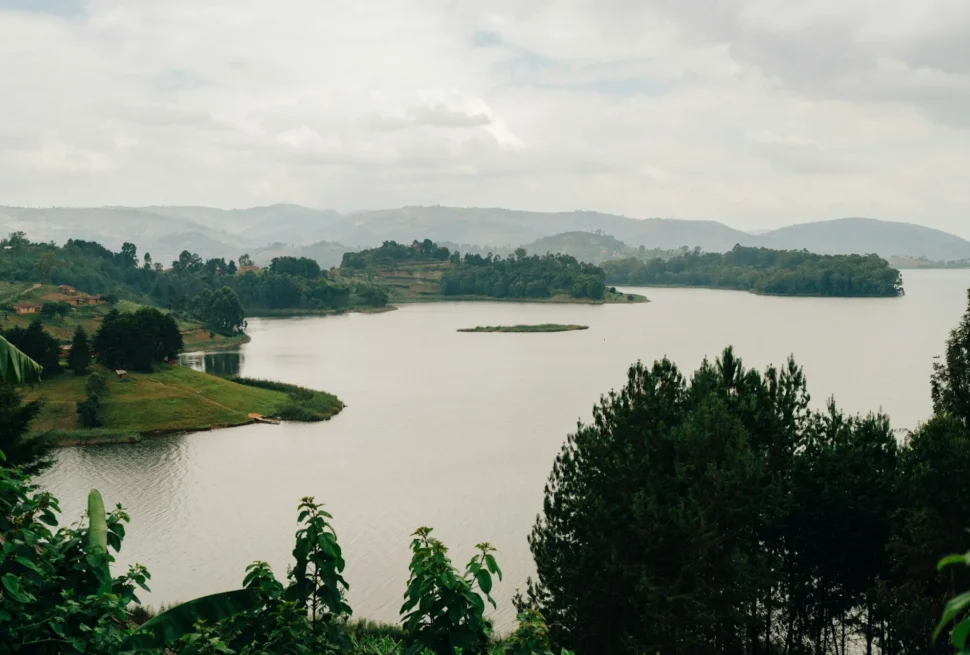
Tanzania is the classic open-plains safari destination, known for the Serengeti, Ngorongoro Crater, Tarangire, Nyerere, big cat sightings, large herds, and the Great Migration. Uganda gives a more varied journey in a smaller area, with mountain gorillas in Bwindi, chimpanzees in Kibale, boat safaris on the Nile and Kazinga Channel, tree-climbing lions in Queen Elizabeth, and remote game drives in Kidepo Valley.
This Uganda vs Tanzania safari guide compares the two destinations in practical terms, not in slogans. The right choice depends on what you want to see, how much time you have, your comfort level with road travel, and whether primates, big game, photography, or quieter parks matter most.
Uganda and Tanzania at a glance
| Safari factor | Uganda | Tanzania |
| Best known for | Gorillas, chimpanzees, varied scenery, Nile boat safaris | Serengeti, Ngorongoro, Great Migration, classic savanna safaris |
| Wildlife style | Forest primates plus savanna wildlife | Large open plains, high predator visibility, big herds |
| Key parks | Bwindi, Kibale, Queen Elizabeth, Murchison Falls, Kidepo Valley | Serengeti, Ngorongoro, Tarangire, Nyerere |
| Best for | Primate lovers, diverse routes, quieter adventures | First-time safari travelers, Big Five focus, migration viewing |
| Travel feel | More varied landscapes and longer road sections | More established safari circuit with strong flight options |
| Cost pattern | Often flexible, but gorilla permits add a major cost | Often higher park, concession, and logistics costs |
Both are among the best East African safari destinations, but they suit different safari personalities.
Wildlife viewing and national parks
A good Uganda Tanzania safari comparison starts with wildlife style. Tanzania’s main advantage is scale. The northern circuit links Serengeti National Park, Ngorongoro Crater, Tarangire National Park, and Lake Manyara, though this guide focuses on Serengeti, Ngorongoro, Tarangire, and Nyerere.
The Serengeti is one of Africa’s strongest predator destinations. Lions, cheetahs, hyenas, leopards, giraffes, elephants, buffaloes, zebras, wildebeest, and gazelles live across a huge ecosystem. Sightings vary by season and route, but the open plains make wildlife easier to spot than in thick bush.
Ngorongoro Crater offers a concentrated safari experience. The crater floor has open grassland, wetlands, forest patches, and a high density of animals in a limited area. It is one of Tanzania’s best places for first-time safari travelers who want a full day of game viewing without covering huge distances.
Tarangire is known for elephants, baobab trees, seasonal wildlife concentrations, and a quieter feel than parts of the Serengeti. Nyerere National Park, formerly part of the Selous Game Reserve, gives a wilder southern Tanzania safari with boating, game drives, and fewer vehicles in many areas.
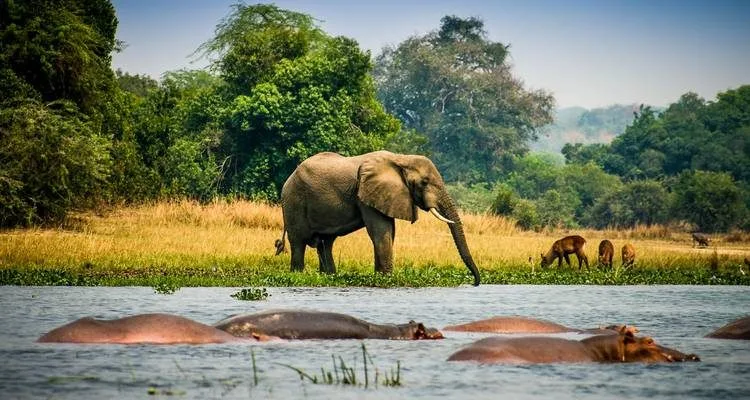
Uganda’s wildlife is more mixed across habitats. Queen Elizabeth National Park combines savanna, crater lakes, wetlands, and the Kazinga Channel. It is reliable for hippos, elephants, buffaloes, antelopes, many birds, and sometimes lions, including the known tree-climbing lions of Ishasha. Sightings are never guaranteed, but Ishasha remains one of the better-known places in East Africa to look for this behavior.
Murchison Falls National Park gives a strong Uganda wildlife safari with giraffes, elephants, buffaloes, lions, leopards, hippos, crocodiles, and excellent birdlife. The Nile boat trip toward the falls is a major reason to visit.
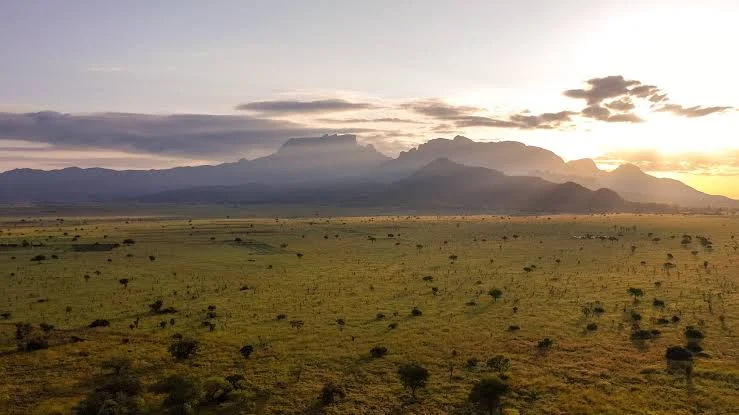
Kidepo Valley National Park is Uganda’s remote wilderness option. It has wide valleys, mountain backdrops, lions, buffaloes, elephants, giraffes, and species less commonly seen in other Ugandan parks. Because it is far from the main tourist route, it often feels quiet, even in busier travel months.
For Uganda vs Tanzania wildlife, Tanzania usually wins for sheer numbers on open savanna, especially predators and large herds. Uganda wins for variety in a compact trip, especially when forest primates and boat safaris matter.
Gorilla trekking, chimpanzees, and the primate difference
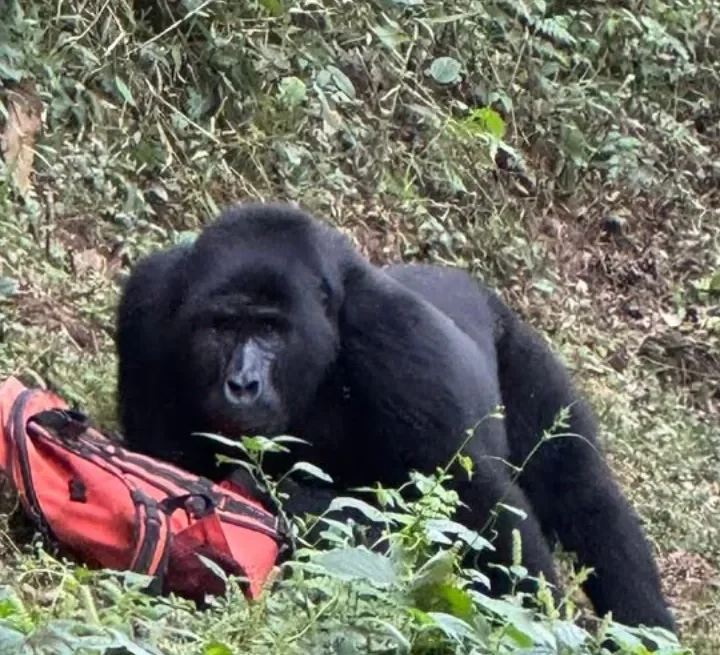
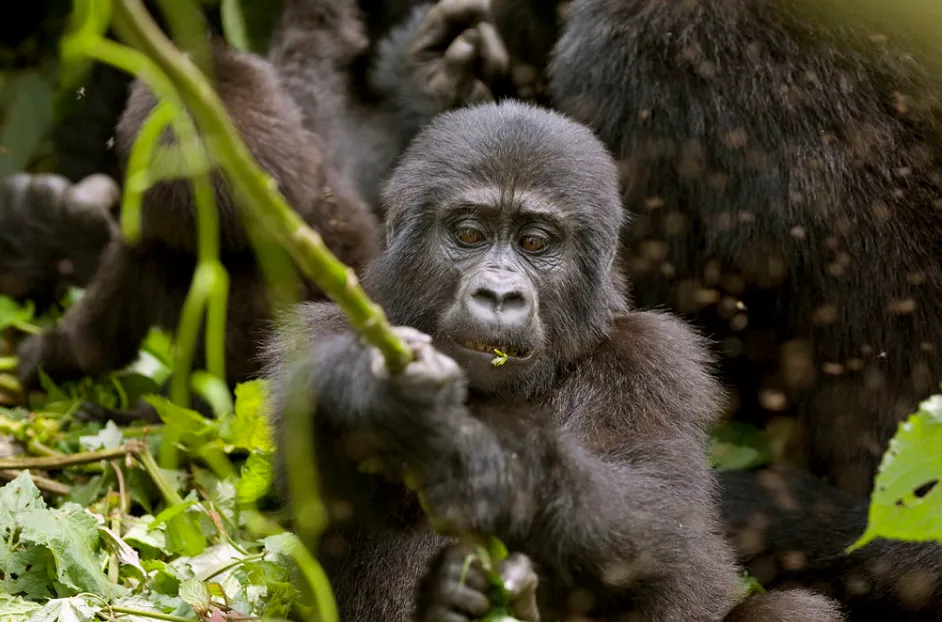
This is where Uganda stands apart. Gorilla trekking Uganda centers on Bwindi Impenetrable National Park and Mgahinga Gorilla National Park, with Bwindi being the better-known and more commonly included in safari itineraries. Treks take place in steep, forested terrain, and the time needed to reach a gorilla family varies from day to day.
Permits are limited and controlled by Uganda Wildlife Authority. That system helps manage visitor numbers and supports conservation, but it also means permits should be planned well ahead, especially in peak travel periods.
Kibale National Park is Uganda’s leading chimpanzee trekking destination. The forest has a strong reputation for chimp sightings, though wildlife behavior and forest conditions still affect each trek. For travelers interested in primates, a Bwindi and Kibale combination is one of Uganda’s clearest strengths.
Tanzania also has chimpanzee experiences, especially in western parks such as Mahale Mountains and Gombe, but these are outside the usual Serengeti and Ngorongoro route and require more time, budget, and complex logistics. Tanzania does not offer mountain gorilla trekking.
If the main question is Uganda or Tanzania safari for primates, Uganda is the more practical and complete choice.
The Great Migration and classic savanna drama
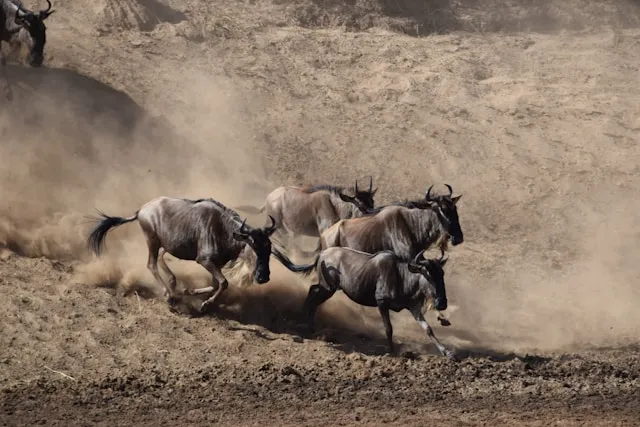
For the Great Migration Tanzania is the clear leader. The Serengeti is part of the wider Serengeti-Mara ecosystem, where wildebeest, zebras, and gazelles move in search of grazing and water. The migration is not a single event in one place. It changes with rainfall, grass, and season.
Broadly, southern Serengeti is known for calving season early in the year, the central and western areas can be productive at other times, and the northern Serengeti is associated with river crossing periods. Exact timing varies, and no operator can honestly guarantee a crossing.
Uganda has excellent wildlife experiences, but it does not have an equivalent to the Serengeti migration. If seeing migration movement is central to the trip, choose Tanzania and plan the route around the season.
Landscapes and photography
Tanzania is excellent for classic safari photography. The Serengeti gives open horizons, clean backgrounds, large herds, and predator action. Ngorongoro adds crater walls, wetlands, and close-range wildlife opportunities. Tarangire gives elephants against baobabs, which is one of the most visually recognizable scenes in northern Tanzania.
Uganda gives more variety in one itinerary. Bwindi’s forest is dense and atmospheric, though low light can challenge cameras. Kibale is similar for chimpanzees. Queen Elizabeth offers crater lakes and the Kazinga Channel. Murchison Falls adds the Nile, riverbanks, and the falls themselves. Kidepo gives broad valleys and rugged mountain views with fewer vehicles.
For photographers, Tanzania is often better for big cats, herds, and open savanna shots. Uganda is better for primates, river safaris, and varied scenery.
Culture and community experiences
Both countries offer meaningful cultural experiences when visits are arranged respectfully and not treated as performances.
In Uganda, many routes include community walks near Bwindi, Batwa cultural experiences, local coffee visits, village walks, and time around trading centers and rural homesteads. In Karamoja, near Kidepo, travelers can learn about pastoralist traditions when visits are locally guided and community-led.
In Tanzania, cultural visits often include Maasai communities near the northern circuit, Hadzabe and Datoga experiences near Lake Eyasi, and coastal Swahili culture if the itinerary extends to Zanzibar or the mainland coast.
The best cultural experiences are small, locally guided, and clear about how fees support the host community. Nturo Safaris should always match the visit to guest interest, available time, and proper local consent.
Safari activities and pace
Tanzania’s northern circuit is built around game drives. In Serengeti, Ngorongoro, and Tarangire, game drives are the main activity, with balloon safaris available in selected areas at extra cost. Nyerere adds boating and, in some areas, walking safaris under proper guiding rules.
Uganda offers a broader mix:
- Gorilla trekking in Bwindi
- Chimpanzee trekking in Kibale
- Game drives in Queen Elizabeth, Murchison Falls, and Kidepo
- Boat safaris on the Kazinga Channel and Nile
- Top of the falls visits at Murchison
- Birding, including shoebill-focused trips in selected wetlands
- Community walks and forest walks
This means Uganda itineraries often feel more active. Tanzania itineraries can feel more focused and safari-centered, especially for travelers who want long days of wildlife viewing from a vehicle.
Accommodation and comfort levels
Both countries cover the full range from simple guesthouses to high-end lodges and tented camps.
Tanzania has a mature safari accommodation network, especially in the northern circuit. The Serengeti offers mobile camps, permanent tented camps, mid-range lodges, and luxury properties. Ngorongoro has lodges around the crater rim and nearby highlands. Tarangire also has strong camp and lodge options.
Uganda has good accommodation near major parks, though the style often varies more by location. Bwindi has comfortable forest lodges ranging from mid-range to luxury. Kibale, Queen Elizabeth, and Murchison have solid lodge options. Kidepo has fewer choices due to its remote location, so availability should be checked early.
For travelers who want polished lodge circuits and many high-end camp choices, Tanzania has the edge. For travelers who prefer smaller lodges, varied settings, and a more personal route, Uganda works very well.
Travel logistics and time on the road
Tanzania’s northern circuit is straightforward compared with many African safari routes. Most travelers arrive through Kilimanjaro International Airport or Arusha, then continue to Tarangire, Ngorongoro, and Serengeti by road, air, or a mix of both. Flying between parks saves time but raises the budget.
Uganda usually starts from Entebbe International Airport. Road transfers connect Entebbe or Kampala with Murchison Falls, Kibale, Queen Elizabeth, Bwindi, and Kidepo. Some drives are long, especially to Bwindi and Kidepo. Domestic flights can reduce travel time, but they also affect cost and scheduling.
A 7-day Tanzania safari can cover Tarangire, Ngorongoro, and Serengeti at a comfortable pace. A 7-day Uganda safari can include gorillas and chimps, or Murchison and primates, but combining all major parks needs more time. For Bwindi, Kibale, Queen Elizabeth, Murchison, and Kidepo together, plan a longer journey.
Uganda safari cost and Tanzania safari cost
Travelers often ask about Uganda safari cost versus Tanzania safari cost, but fixed prices are not useful without dates, group size, accommodation level, vehicle type, permits, and routing.
In general, Tanzania safari prices tend to rise because of higher park and concession fees in major safari areas, longer stays inside premium wildlife zones, and the cost of reaching remote Serengeti regions. Private safaris, fly-in routes, and high-season camps increase the total.
Uganda safari prices can be more flexible, especially for road-based trips using mid-range lodges. The main cost factor is gorilla trekking permits, followed by chimpanzee permits, accommodation, vehicle days, fuel, and domestic flights if used. A Uganda trip with both gorillas and chimps may cost more than a simple savanna-only itinerary, but it offers a different wildlife focus.
For budget-conscious travelers, Uganda can be easier to adjust by changing lodge level and routing. For travelers focused on Serengeti and Ngorongoro, Tanzania is worth the added cost when those specific experiences are the priority.
Which destination is better for each traveler?
First-time safari travelers
Tanzania is often the easier first safari choice because the Serengeti, Ngorongoro, and Tarangire deliver the classic wildlife experience many travelers picture. The safari infrastructure is strong, sightings can be productive, and routes are well established.
Primate enthusiasts
Uganda is the stronger choice. Bwindi and Kibale make it possible to combine mountain gorillas and chimpanzees in one trip, with additional savanna wildlife along the way.
Big Five viewing
For a Uganda vs Tanzania Big Five safari, Tanzania usually has the advantage, especially with Ngorongoro and Serengeti included. Uganda has four of the Big Five in several routes, but rhino tracking is usually arranged outside the main national parks at Ziwa Rhino Sanctuary. Tanzania offers a more integrated Big Five-style itinerary.
Great Migration travelers
Choose Tanzania. The Serengeti is the key destination for migration-focused travel.
Photographers
Choose Tanzania for open plains, predator action, and herds. Choose Uganda for gorillas, chimpanzees, rivers, forest, and varied scenery.
Quieter safaris
Uganda often feels quieter in places such as Kidepo, parts of Murchison, and some forest lodges. In Tanzania, Nyerere and parts of Tarangire can also feel less crowded than the busiest Serengeti and Ngorongoro routes.
Different budgets
For mid-range and flexible road-based travel, Uganda often gives more room to adjust costs. For high-end tented camps and premium savanna guiding, Tanzania has more choice, especially in the Serengeti.
So, the best safari Uganda or Tanzania depends on the main purpose of the trip. Pick Uganda for primates and variety. Pick Tanzania for the Great Migration, open savanna, and a classic wildlife circuit.
FAQs about Uganda and Tanzania safaris
Is Uganda or Tanzania better for a first safari?
Tanzania is often better for a first safari if the goal is classic savanna wildlife, big herds, and predators. Uganda is better if the first trip must include gorillas, chimpanzees, and varied landscapes.
Can I see gorillas in Tanzania?
No. Mountain gorilla trekking is not available in Tanzania. For gorillas, choose Uganda, Rwanda, or the Democratic Republic of Congo. Uganda’s main gorilla trekking destination is Bwindi Impenetrable National Park.
Is Tanzania better for the Great Migration?
Yes. The Serengeti is one of the main areas for the Great Migration. Timing and location change through the year, so plan with a safari specialist and avoid any promise of guaranteed river crossings.
Which country is better for Big Five viewing?
Tanzania is usually stronger for a Big Five-focused safari, especially when Ngorongoro and Serengeti are included. Uganda can include rhino tracking at Ziwa plus lions, leopards, elephants, and buffaloes in other areas.
Is Uganda cheaper than Tanzania for safari?
Uganda can be more flexible for mid-range road safaris, but gorilla and chimpanzee permits add important costs. Tanzania often costs more in premium wildlife areas because of park fees, camp rates, and logistics.
How many days do I need for each safari?
For Tanzania, 6 to 8 days can cover Tarangire, Ngorongoro, and Serengeti well. For Uganda, 7 to 10 days works for gorillas, chimps, and one or two savanna parks. Longer trips give a better pace.
Can I combine Uganda and Tanzania in one trip?
Yes, but it needs careful planning. Flights, permits, park routing, and border logistics affect the schedule. A common approach is to combine Tanzania’s Serengeti and Ngorongoro with Uganda’s Bwindi or Kibale.
Final advice from the safari planning desk
A Uganda safari vs Tanzania safari decision should start with the wildlife you most want to see. If gorillas and chimpanzees are central, Uganda is the clearer choice. If the Serengeti, Ngorongoro, big cats, and migration movement are the dream, Tanzania fits better.
If time and budget allow, combining both countries gives one of the richest safari routes in Africa: primates and forest in Uganda, then open savanna and migration country in Tanzania. If choosing one, be honest about your priorities, preferred travel pace, and comfort with road time. That is the best way to turn the Uganda Tanzania safari comparison into the right itinerary for your trip.