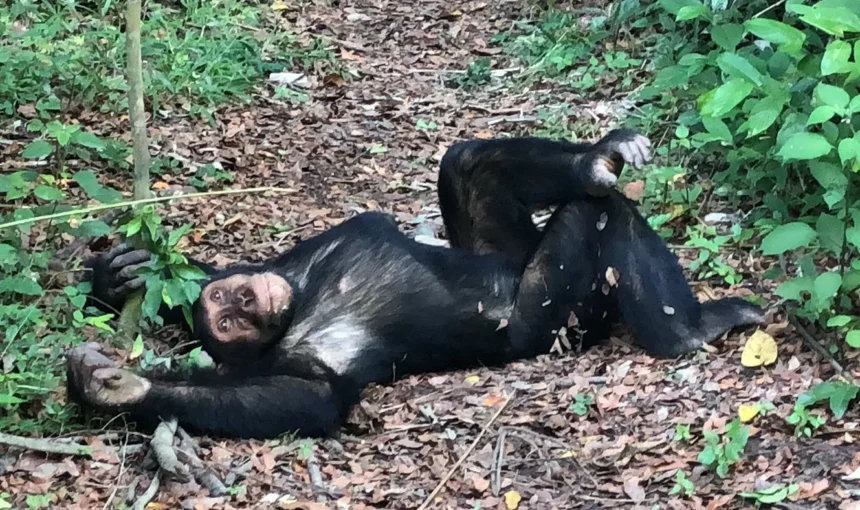
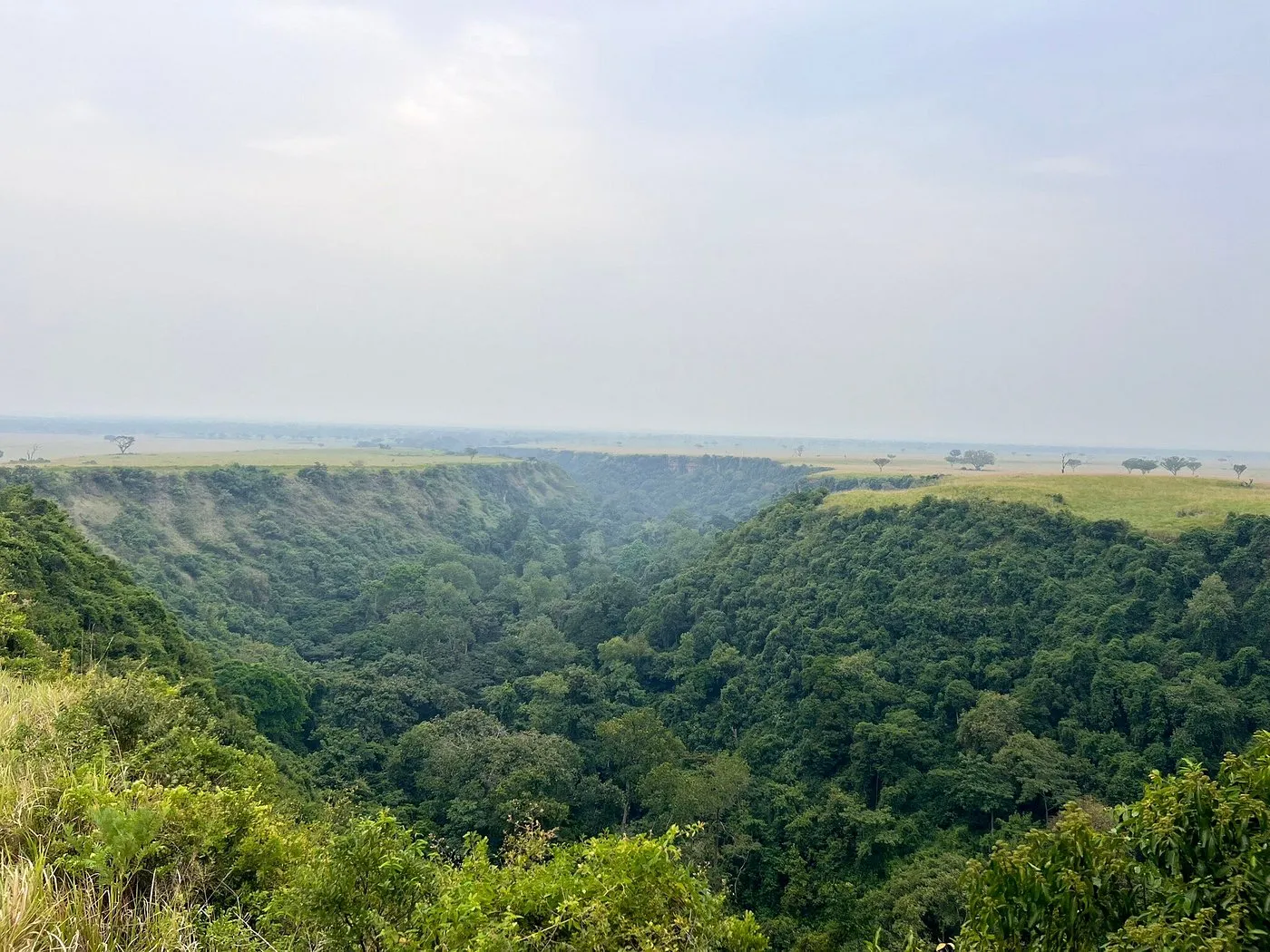
A thin line of forest cuts through the open savanna of Queen Elizabeth National Park, dropping into a steep rift valley gorge where chimpanzee calls echo off the walls. This is Kyambura Gorge, often called the “Valley of Apes”, and it offers one of Uganda’s most dramatic chimpanzee trekking settings.
Unlike the broad rainforest trails of Kibale, Kyambura feels hidden. The gorge shelters a riverine forest below dry grassland, creating a sharp contrast that supports primates, birds, butterflies, and big mammals nearby. The trek is part wildlife walk, part geological surprise, and part rare chance to watch chimpanzees behave as they do in the wild.
Why Kyambura Gorge is called the Valley of Apes
Kyambura Gorge lies in the eastern part of Queen Elizabeth National Park in western Uganda. The gorge was shaped by the Kyambura River, which created a forested channel below the surrounding plains. That protected strip of habitat is why primates thrive here despite the open savanna above.
The main attraction is the chimpanzee, but the ecosystem is broader than one species. Trekkers may also see:
- Black-and-white colobus monkeys moving through the canopy
- Red-tailed monkeys feeding in fruiting trees
- Olive baboons along the gorge edges
- Forest birds, including turacos and kingfishers
- Butterflies, reptiles, and small forest mammals
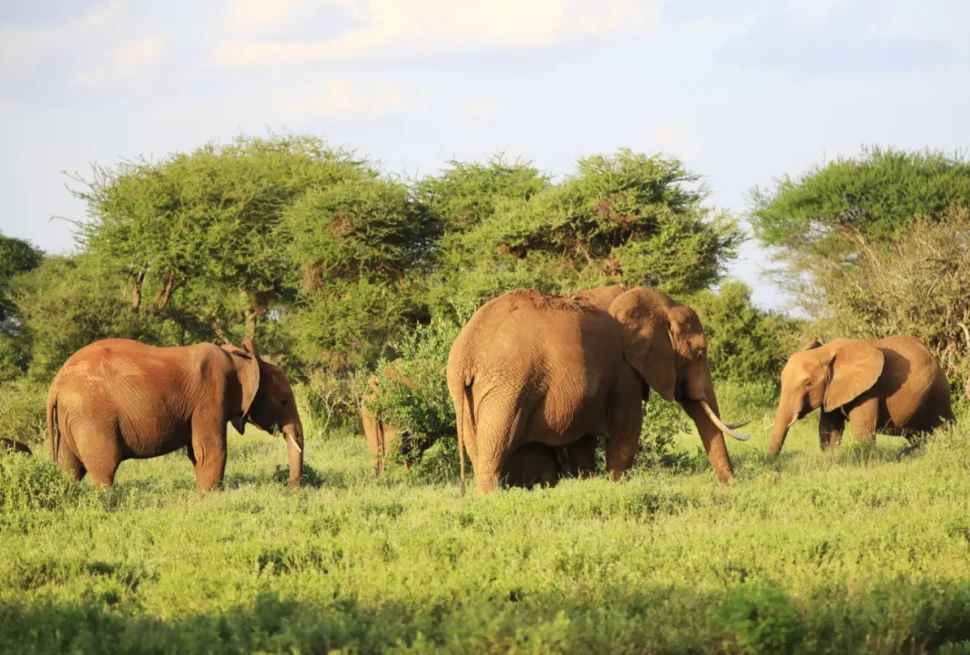
Outside the gorge, Queen Elizabeth National Park adds another layer. Elephant, buffalo, hippo, antelope, and predators live across the wider park. That makes Kyambura unusual among Uganda’s chimpanzee sites: the trek takes place inside a national park better known for classic savanna wildlife.
What the chimpanzee trek is like
A typical Kyambura chimpanzee trek starts with a ranger briefing. Guides explain the route, safety rules, and how to behave near chimpanzees. The descent into the gorge can be steep, and the forest floor may be muddy, especially after rain.
The search itself is part of the experience. Rangers look for fresh nests, broken branches, feeding signs, and distant calls. Chimpanzees are highly mobile. They can move fast through the canopy, pause to feed, then disappear into thick vegetation.
When the group finds them, the reward is unforgettable. Chimpanzees might groom each other, feed on fruit, drum on tree trunks, or break into loud pant-hoots that carry through the gorge. Most regulated chimpanzee trekking experiences in Uganda allow a limited viewing time once the chimps are found. This reduces stress on the animals and keeps the encounter controlled.
Sightings in Kyambura are not guaranteed. The gorge has a smaller chimpanzee community than some larger forests, so luck, season, food availability, and the chimps’ movement all matter. That uncertainty is part of the wildness.
The unique ecosystem inside the gorge
Kyambura Gorge works like a natural refuge. Its steep walls protect moisture-loving vegetation from the hotter, drier conditions of the plains. This creates a riverine forest microclimate within a savanna park.
That mix matters. Chimpanzees need trees for nesting, feeding, and travel. They build new sleeping nests regularly using branches and leaves, often high above the ground. The forest also provides seasonal fruits, young leaves, seeds, and insects.
The gorge is also a good place to understand how connected habitats are. A chimpanzee trek here is not only about spotting one animal. It shows how water, forest cover, fruiting cycles, and protected corridors support wildlife in a changing environment.
Chimpanzees are listed as endangered by the IUCN, mainly due to habitat loss, hunting pressure, and disease risk. Regulated tourism can support conservation when visitor behavior is carefully managed.
How Kyambura compares with other chimpanzee trekking sectors in Uganda
Uganda has several places to track chimpanzees, and each offers a different style of experience.
| Trekking area | What it is best known for | How it differs from Kyambura |
| Kibale National Park | Uganda’s most famous chimpanzee trekking destination | Larger forest habitat and strong reputation for chimp sightings |
| Budongo Forest | Large mahogany forest near Murchison Falls National Park | More classic forest setting, often paired with northern Uganda safaris |
| Kalinzu Forest | Forest reserve near Queen Elizabeth National Park | Often valued for accessibility and forest biodiversity |
| Kyambura Gorge | Dramatic gorge setting inside Queen Elizabeth National Park | Smaller, more scenic, and more unpredictable, with a strong adventure feel |
Kyambura stands out for atmosphere. Kibale is often the top choice for travelers who place chimpanzees above everything else. Kyambura suits those who want chimp tracking as part of a wider Queen Elizabeth safari, with crater lakes, savanna drives, boat trips on the Kazinga Channel, and the strange beauty of the gorge.
Best times to visit Kyambura Gorge
Chimpanzee trekking runs in different seasons, but the easiest walking conditions usually fall in Uganda’s drier months:
- June to September
- December to February
Trails tend to be less muddy during these periods, and forest walks can feel more comfortable. The rainy seasons can still be rewarding because forests are lush and bird activity can be strong, but slippery trails make good footwear essential.
Morning treks are often preferred because temperatures are cooler and chimpanzees may be more active after leaving their night nests. Afternoon treks can also work, depending on park schedules and ranger guidance.
What to bring for the trek
Pack for a humid forest walk with uneven ground. The right gear makes a real difference.
- Sturdy hiking shoesChoose shoes with grip. The descent and forest paths can be slick.
- Long trousers and a long-sleeved shirtThese help protect against scratches, insects, and stinging plants.
- Rain jacketWeather can change quickly in a gorge forest.
- Drinking waterThe trek can be warm and physically demanding.
- Insect repellentForest habitats often have mosquitoes and other biting insects.
- BinocularsUseful for birds, monkeys, and distant chimpanzee activity.
- Camera without flashFlash can disturb wildlife and is commonly restricted during primate viewing.
A small daypack is enough. Avoid carrying food with a strong smell, and never eat near chimpanzees.
Safety precautions and trekking etiquette
Chimpanzees are wild animals. They are intelligent, strong, and socially complex, so calm behavior matters.
Follow these basic rules:
- Keep the distance set by the ranger.
- Stay with the group at all times.
- Do not mimic chimpanzee calls.
- Do not feed or touch wildlife.
- Keep voices low.
- Turn off flash photography.
- Avoid trekking if sick, especially with flu-like symptoms.
Disease transmission is a serious concern for great apes because humans and chimpanzees are closely related. Chimpanzees share roughly 98 percent of their DNA with humans, which is one reason park authorities take health rules seriously.
Fascinating chimpanzee behavior to watch for
Chimpanzees live in communities with a flexible fission-fusion social system. That means the larger group splits into smaller parties during the day and comes together again depending on food, relationships, and social activity.
During a trek, look for these behaviors:
- GroomingThis is social bonding, not just cleaning.
- Pant-hooting Loud calls help chimpanzees communicate across the forest.
- Tool use Some chimpanzee populations use sticks, leaves, or stones to access food or water. Tool behavior varies by community.
- Nest building Chimpanzees build leafy sleeping platforms in trees.
- Displays Adult males may drum, charge, or shake branches to show strength or excitement.
Watching these moments in Kyambura feels different from seeing wildlife across open plains. The forest hides as much as it reveals. A rustle overhead, a cracked branch, or one sudden call can change the whole trek.
The takeaway
Kyambura Gorge is not the easiest place in Uganda to see chimpanzees, and that is part of its appeal. It is wilder, steeper, and more dramatic than many forest walks. The Valley of Apes combines primate tracking with rift valley scenery, riverine forest, and the wider wildlife of Queen Elizabeth National Park.
Go with patience, good shoes, and respect for the rules. If the chimps appear, the encounter can be thrilling. If they stay hidden, the gorge still offers one of Uganda’s most memorable walks into a secret world below the savanna.