A good cross-border safari between Uganda and Rwanda is not about fitting in every famous park. It is about joining the right places in the right order so the trip feels smooth, not like a race between checkpoints.
The strongest Uganda and Rwanda safari itinerary usually starts or ends in Kigali, uses the southern Uganda border crossings, and focuses on one or two major primate experiences with a small number of wildlife stops. Kigali works especially well because it is closer to Bwindi, Mgahinga and Volcanoes National Park than Entebbe is to most gorilla trekking sectors in Uganda.
This guide compares practical 7-day and 10-day routes for travelers planning a Uganda Rwanda safari, with notes on driving times, permits, border crossings, accommodation levels and the best time to travel. Regulations can change, so Nturo Safaris checks details against official sources such as Uganda Wildlife Authority, Rwanda Development Board, immigration authorities and park offices before confirming any Uganda Rwanda safari package.
The best way to combine Uganda and Rwanda
The easiest route is usually Kigali to Uganda and back to Kigali, especially for 7 days. Kigali International Airport is convenient for Bwindi, Mgahinga and Lake Bunyonyi. It also gives time to visit the Kigali Genocide Memorial, local markets and craft centers without adding a long drive across Uganda.
For a longer Uganda Rwanda itinerary, it can make sense to start in Kigali and finish in Entebbe, or the reverse. That opens the route toward Queen Elizabeth National Park and Kibale Forest without doubling back too much.
Main border crossings for safari routes
| Border crossing | Best for | Practical notes |
| Cyanika or Kyanika | Kigali, Volcanoes, Mgahinga, Kisoro, southern Bwindi sectors | Often the best crossing for Mgahinga and Bwindi’s Rushaga or Nkuringo sectors. Kigali to Kisoro is commonly around 4 to 5 hours, depending on border time. |
| Gatuna or Katuna | Kigali, Kabale, Lake Bunyonyi, Bwindi Ruhija or Buhoma routes | Useful for Lake Bunyonyi and some Bwindi routing. Kigali to Kabale is commonly around 3.5 to 5 hours with border formalities. |
| Mirama Hills or Kagitumba | Akagera, Mbarara, Lake Mburo, western Uganda extensions | Better for longer routes that include eastern Rwanda or central/western Uganda. Less useful for a short gorilla-focused safari. |
Border processing can be quick or slow. Build in extra time, carry printed booking documents, and make sure your passport has enough validity and blank pages. Visa rules vary by nationality. Many travelers use the East Africa Tourist Visa when visiting Uganda and Rwanda, but eligibility and procedures must be checked before travel through the official immigration portals.
When to choose Uganda or Rwanda for gorilla trekking
Both countries offer well-managed gorilla trekking, but the experience and logistics are different.
Choose Uganda gorilla trekking if you want:
- More route combinations with Bwindi, Mgahinga, Queen Elizabeth, Kibale and Lake Bunyonyi
- A choice of several Bwindi sectors such as Buhoma, Ruhija, Rushaga and Nkuringo
- A longer forest trekking feel in many cases
- Better fit for a Uganda Rwanda gorilla safari that also includes savannah wildlife
Choose Rwanda gorilla trekking if you want:
- Shorter driving from Kigali to Volcanoes National Park
- A simple Rwanda-focused route with high-end lodge options
- Less road time if gorillas are the main purpose of the trip
- Easy pairing with Kigali and, with more days, Akagera or Nyungwe
Gorilla permits are limited and tied to a date, country and park. Authorities normally require trekkers to be at least 15 years old. Treks start with a briefing, and visitors usually spend one hour with the gorilla family once located. Rules on illness, group size, photography and conduct come from Uganda Wildlife Authority in Uganda and Rwanda Development Board in Rwanda.
Do not book flights before confirming permit availability if gorilla trekking is the anchor of the trip.
Best 7-day Uganda Rwanda itinerary
This 7 day Uganda Rwanda itinerary works best for travelers who want gorillas, Kigali, Lake Bunyonyi and one savannah safari without stretching the route too far. It usually starts and ends in Kigali.
Day 1. Arrive in Kigali
Arrive at Kigali International Airport and transfer to a hotel in the city. If your flight lands early, visit the Kigali Genocide Memorial or take a guided city tour. Keep the first day light, especially after long-haul travel.
Overnight: Kigali
Driving: Airport transfer, usually under 1 hour depending on traffic
Day 2. Kigali to Bwindi or Mgahinga via Cyanika
Drive from Kigali toward the Cyanika or Gatuna/Katuna border, depending on your lodge and trekking sector. For Rushaga, Nkuringo or Mgahinga, Cyanika is often the most direct choice. For Lake Bunyonyi, Kabale or Ruhija, Gatuna/Katuna can work well.
After immigration and customs, continue into southwestern Uganda. This is a proper travel day, so avoid adding too many activities.
Overnight: Bwindi, Mgahinga or Kisoro area
Driving: About 4 to 6 hours, plus border time
Day 3. Gorilla trekking in Bwindi or Mgahinga
Report to park headquarters early for registration and briefing. The trek can take a few hours or most of the day, depending on the gorilla family location, terrain and pace of the group. Porters are usually available and are worth hiring, both for support and local income.
After the trek, rest at the lodge. If staying near Mgahinga and energy allows, a short community visit can be added, but do not overload the day.
Overnight: Bwindi, Mgahinga or Kisoro area
Main activity: Gorilla trekking Uganda and Rwanda planning starts here, because this permit date controls the whole route
Day 4. Bwindi or Mgahinga to Lake Bunyonyi
Drive to Lake Bunyonyi, one of the most useful overnight stops between the gorilla areas and the rest of western Uganda. It gives the route a softer pace after trekking and avoids a very long post-gorilla transfer.
Spend the afternoon canoeing, visiting islands with a local guide, or relaxing at the lodge.
Overnight: Lake Bunyonyi
Driving: About 2 to 4 hours, depending on starting sector
Day 5. Lake Bunyonyi to Queen Elizabeth National Park
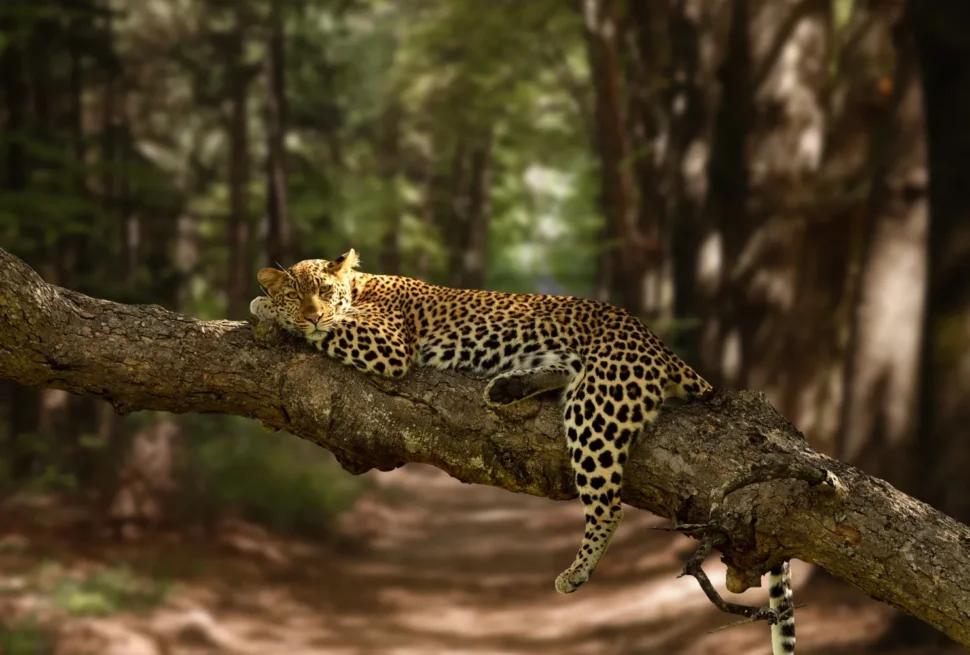
Leave after breakfast for Queen Elizabeth National Park. The best route depends on road conditions and lodge location. If staying in the Ishasha sector, the route combines well with tree-climbing lion country. If staying in the northern sector, you are better placed for the Kazinga Channel and Kasenyi plains.
Plan an afternoon game drive if arrival time allows.
Overnight: Queen Elizabeth National Park
Driving: About 4 to 6 hours
Day 6. Queen Elizabeth safari and Kazinga Channel boat trip
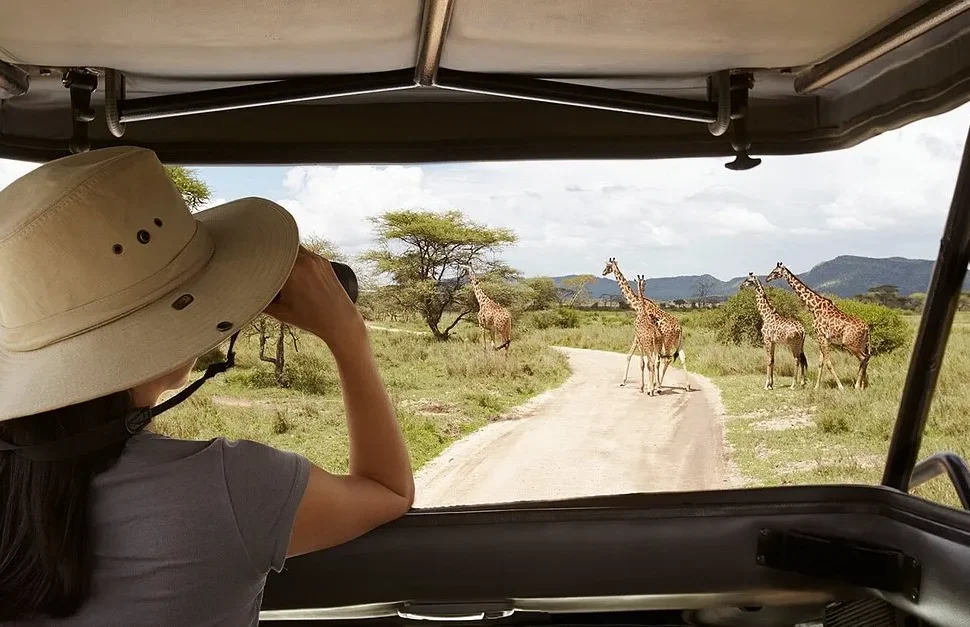
Start early with a game drive. Wildlife sightings vary, but the park is known for elephants, buffalo, hippos, Uganda kob, warthogs and many bird species. Predator sightings are possible, not guaranteed.
In the afternoon, take a boat safari on the Kazinga Channel, one of Uganda’s most reliable wildlife viewing activities. It is often better than trying to force another long drive.
Overnight: Queen Elizabeth National Park
Main activities: Game drive and boat safari
Day 7. Drive back to Kigali or continue to Entebbe
For a Kigali finish, expect a long road day back through the border. If flights allow, leave early and keep the evening departure realistic. A safer plan is to overnight in Kigali and fly the next day.
For an Entebbe finish, the drive from Queen Elizabeth is also long. In many cases, add a night near Entebbe if budget and timing allow.
Best for: Travelers with one week who want gorillas, Kigali, scenery and a light wildlife safari
Not ideal for: Travelers who also want chimpanzee trekking in Kibale. That needs more time.
Best 10-day Uganda Rwanda itinerary
A 10 day Uganda Rwanda itinerary gives the trip better balance. It can include chimpanzees in Kibale, wildlife in Queen Elizabeth, gorillas in Uganda, Lake Bunyonyi and Kigali without feeling as tight.
This version works well as Kigali in, Entebbe out. It can also run in reverse.
Day 1. Arrive in Kigali
Arrive, transfer to your hotel and settle in. If time allows, take a city tour focused on history, food or art. Keep the first night in Kigali to reduce risk if international flights are delayed.
Overnight: Kigali
Day 2. Kigali to Bwindi or Mgahinga
Drive to the Uganda border and continue to your gorilla trekking lodge. Choose the border based on your permit sector rather than the other way around.
Overnight: Bwindi or Mgahinga area
Driving: About 4 to 6 hours, plus border time
Day 3. Gorilla trekking
Trek in Bwindi Impenetrable National Park or Mgahinga Gorilla National Park. Bwindi has several sectors, so lodge location matters. Mgahinga has fewer accommodation clusters but pairs very well with Cyanika and Rwanda.
Overnight: Bwindi or Mgahinga area
Day 4. Optional second gorilla trek or golden monkey trek
Use this day carefully. A second gorilla trek suits travelers who want more time with gorillas and understand that each trek is different. In Mgahinga, a golden monkey trek is a good alternative. If trekking in Bwindi, this day can also be used for a guided community walk or rest.
Overnight: Bwindi, Mgahinga or Lake Bunyonyi area
Best choice: Add this buffer if photography, primates or slower pacing matter
Day 5. Lake Bunyonyi recovery night
Move to Lake Bunyonyi if you did not already arrive on Day 4. This stop breaks the journey between the gorilla highlands and Queen Elizabeth National Park. It is also a good place for mid-range lodges with lake views and a quieter pace.
Overnight: Lake Bunyonyi
Driving: About 2 to 4 hours
Day 6. Lake Bunyonyi to Queen Elizabeth National Park
Drive to Queen Elizabeth National Park. If using the Ishasha route and road conditions allow, include a game drive on arrival. The route can be rough in places, so timing should stay flexible.
Overnight: Queen Elizabeth National Park
Driving: About 4 to 6 hours
Day 7. Queen Elizabeth game drive and Kazinga Channel
Take an early game drive, then a boat trip on the Kazinga Channel. This is the best full day for classic safari wildlife in this Uganda Rwanda tour.
Overnight: Queen Elizabeth National Park
Day 8. Queen Elizabeth to Kibale Forest
Drive north toward Kibale Forest. Depending on your lodge and timing, visit Bigodi Wetland Sanctuary in the afternoon. It is a community-run nature walk known for birds, monkeys and village life.
Overnight: Kibale or Bigodi area
Driving: About 3 to 4 hours
Day 9. Chimpanzee trekking in Kibale
Chimpanzee trekking in Kibale is one of Uganda’s strongest primate experiences. Like gorilla permits, chimpanzee permits are limited and should be booked early. Trekking rules and minimum age requirements are set by the park authority, so confirm current details before booking.
In the afternoon, rest or take a second Bigodi visit if you did not go the previous day.
Overnight: Kibale or Fort Portal area
Day 10. Drive to Entebbe
Drive to Entebbe for an evening flight, if timing is realistic, or add a final night near the airport. The drive from Kibale to Entebbe is commonly around 5 to 7 hours, but traffic near Kampala and Entebbe can add time.
Best for: Travelers who want gorillas, chimpanzees and savannah wildlife in one East Africa safari itinerary
Not ideal for: Travelers who prefer very short drives or want several days in Rwanda’s Volcanoes and Nyungwe parks
Accommodation levels and how they affect the route
Accommodation in Uganda and Rwanda ranges from simple guesthouses to high-end lodges. The main decision is not only comfort. It is location.
For gorilla trekking, stay close to the correct park headquarters. In Bwindi, the wrong lodge sector can mean several extra hours on rough roads before sunrise. Rushaga, Nkuringo, Ruhija and Buhoma are not interchangeable.
Typical accommodation levels include:
- Budget Clean, simple rooms, often with limited extras. Best for travelers who care more about activities than lodge style.
- Mid-range Comfortable rooms, private bathrooms, good meals and reliable locations. This is the most common fit for a balanced Uganda Rwanda travel itinerary.
- Luxury Strong locations, higher service levels, better guiding support and more comfort after long drives or treks.
In peak travel periods, the best-located lodges sell out early. Permit availability and lodge availability should be checked together.
Permit, park fee and travel regulation advice
Do not rely on old blog prices for permits or park fees. Gorilla permits, chimpanzee permits, park entrance fees, vehicle fees and activity fees can change by season, residency category and official policy.
Before confirming a Uganda Rwanda safari, check:
- Uganda Wildlife Authority rules for Bwindi, Mgahinga, Queen Elizabeth and Kibale
- Rwanda Development Board rules for Volcanoes National Park and other Rwanda parks
- Immigration requirements for Uganda, Rwanda and East Africa Tourist Visa eligibility
- Yellow fever certificate rules and airline transit requirements
- Passport validity and blank page requirements
- Border crossing hours and vehicle paperwork
A trusted operator should confirm all official fees before taking final payment and should never guarantee permit availability before it is secured.
Best time to travel
Uganda and Rwanda can be visited year-round. The most popular trekking and safari months are usually the drier periods from June to September and December to February. Trails are still steep and muddy in places, but travel is generally easier.
The wetter months, often around March to May and October to November, can bring greener scenery, fewer visitors and more challenging roads. Gorilla and chimpanzee trekking still operate in rain, unless park authorities decide conditions are unsafe.
For photographers, early booking matters more than chasing a perfect month. The best gorilla permits and lodge locations go first.
Frequently asked questions
Is 7 days enough for Uganda and Rwanda?
Yes, if the route stays focused. A realistic 7-day trip can include Kigali, one gorilla trek in Uganda, Lake Bunyonyi and Queen Elizabeth National Park. It is too short for gorillas, chimpanzees, multiple Rwanda parks and long wildlife extensions.
Is 10 days enough for gorillas and chimpanzees?
Yes. A 10-day route can include gorilla trekking in Bwindi or Mgahinga, chimpanzee trekking in Kibale, Queen Elizabeth National Park, Lake Bunyonyi and Kigali. Kigali in and Entebbe out is often the smoothest routing.
Which border is best between Rwanda and Uganda for gorilla trekking?
Cyanika or Kyanika is often best for Mgahinga, Kisoro, Rushaga and Nkuringo. Gatuna or Katuna is useful for Kabale, Lake Bunyonyi and some Bwindi routes. The best choice depends on your confirmed trekking sector.
Should I trek gorillas in Uganda or Rwanda?
Choose Uganda if you want a wider safari route with Queen Elizabeth, Kibale and Lake Bunyonyi. Choose Rwanda if you want shorter transfers from Kigali and a simple high-comfort gorilla trip. Both countries follow strict gorilla tourism rules.
Can I cross the border with a safari vehicle?
Yes, cross-border safari vehicles are common, but paperwork must be correct. The operator should arrange vehicle documents, driver requirements and border procedures in advance.
Do I need to book gorilla permits before accommodation?
Check permits and accommodation together. Your gorilla permit fixes your trekking date and sector. Your lodge should match that sector to avoid long pre-dawn drives.
Are Uganda and Rwanda safe for safari travel?
Most safaris follow established tourism routes with professional guides and registered lodges. Conditions can change, so travelers should check current government travel advisories and follow the guidance of their safari operator.
The best route depends on what should lead the trip
For most travelers, the strongest combined route is not the one with the most park names. It is the one built around confirmed gorilla permits, sensible border crossings and enough time between long drives.
Choose the 7-day route if gorilla trekking, Kigali, Lake Bunyonyi and a short wildlife safari are the priorities. Choose the 10-day route if chimpanzee trekking in Kibale and a fuller Uganda safari experience matter. In both cases, build the itinerary from the permit date outward, match lodges to trekking sectors, and leave room for real border and road conditions.