Gorilla trekking is one of Africa’s most regulated wildlife experiences, and that is part of what makes it special. Visitor numbers are limited, permits are required, and time with a gorilla family is usually capped at about one hour once the group is found. Those rules apply whether the trip is budget or luxury.
The real difference is not the gorillas. It is everything around the trek: where you sleep, how you travel, how much support you get, and how seamless the trip feels.
What both budget and luxury gorilla safaris usually include
A gorilla safari is built around a trekking permit. The permit is issued by the relevant wildlife authority, such as the Uganda Wildlife Authority or the Rwanda Development Board, and it gives access to a guided trek in a protected national park.
Most gorilla safaris, across price levels, include:
- A gorilla trekking permit, or clear guidance on how it is secured
- A trained ranger-led trek inside the park
- Ground transportation between airports, lodges, and park gates
- Accommodation near the trekking area
- Meals, often full board at remote lodges
- Basic pre-trek briefing and trip planning support
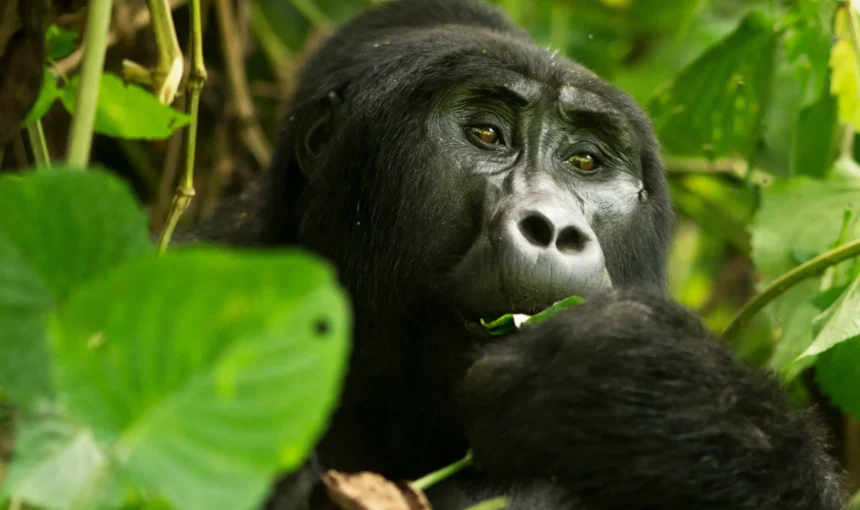
The trek itself follows strict conservation rules. Small groups are assigned to habituated gorilla families, and visits are controlled to reduce stress on the animals. This means a budget traveler and a luxury traveler may stand on the same forest trail, listening to the same silverback break bamboo stems a few yards away.
What changes is the level of comfort before and after that moment.
Budget gorilla safaris focus on access and value
A budget gorilla safari is usually designed for travelers who want the core experience without paying for premium extras. The goal is simple: get close to the gorillas safely, legally, and affordably.
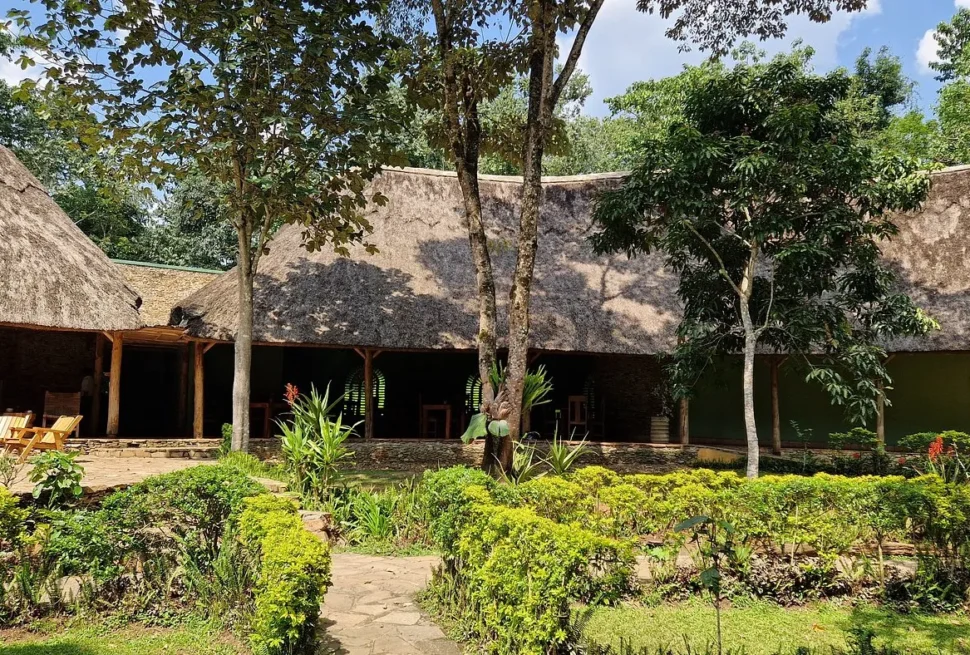
Accommodation is often in guesthouses, simple lodges, or midrange cottages. Rooms are clean and practical rather than lavish. Expect private bathrooms in many cases, but not always high-end finishes, spa facilities, or sweeping forest views.
Transport is typically by road in a shared or standard 4×4 vehicle. In Uganda, for example, drives to Bwindi Impenetrable National Park can take many hours depending on the starting point. A budget itinerary may use longer road transfers instead of domestic flights to keep costs down.
Meals are usually hearty and simple. Think lodge buffets, packed lunches for trekking days, and set menus rather than private dining or chef-led tasting menus.
Budget safaris often include:
| Budget safari feature | What it usually means |
| Accommodation | Simple lodges, guesthouses, or camps |
| Transport | Road transfers, sometimes shared |
| Meals | Set menus, packed lunches, full board at many lodges |
| Guiding | Park ranger guiding during the trek, driver-guide for transfers |
| Flexibility | Less customization, more fixed schedules |
The main benefit is clear. Budget safaris make gorilla trekking possible for more travelers. Since permits can form a large part of the total cost, saving money on lodging and transport can make a major difference.
The tradeoff is comfort. Long drives may feel tiring. Service may be friendly but less polished. If the lodge is farther from the park gate, early mornings can start very early.
Luxury gorilla safaris add comfort, privacy, and precision
Luxury gorilla safaris are for travelers who want the trek to be part of a polished, deeply comfortable journey. The gorillas remain the highlight, but the surrounding experience is elevated.
Accommodation often includes high-end forest lodges with spacious suites, fireplaces, fine dining, spa treatments, and views of rainforest or volcano slopes. Some lodges also offer personal butlers, private decks, and guided nature walks on the property.
Transportation may include private 4×4 vehicles, domestic flights where available, helicopter transfers in select destinations, and meet-and-assist service at airports. This reduces travel fatigue, which matters when trekking can involve steep, muddy terrain.
Luxury safaris may also offer more personalized guiding. A private driver-guide can adjust stops along the way, explain local culture, and manage timing. Some itineraries include extra experiences such as community visits, conservation talks, golden monkey trekking, birding, or private sundowners.
Luxury safaris often include:
| Luxury safari feature | What it usually means |
| Accommodation | Premium lodges, suites, villas, or boutique camps |
| Transport | Private vehicles, flights, or shorter transfers where possible |
| Meals | Fine dining, flexible menus, private meals on request |
| Guiding | Private driver-guide plus expert local guides |
| Service | Personalized planning, luggage help, special arrangements |
The strongest benefit is not just comfort. It is ease. A luxury operator can build in rest time, handle permit timing carefully, choose lodges close to the trailhead, and match the itinerary to fitness level or travel pace.
Some luxury lodges also offer access to exclusive settings, such as private forest paths, secluded dining areas, or conservation-focused activities not available on standard itineraries. The gorilla trek still follows park rules, but the time outside the park can feel much more private.
The biggest differences come down to experience, not wildlife
The gorilla encounter is regulated, so paying more does not mean more time with the gorillas or a guarantee of an easier trek. Terrain, weather, and gorilla movement shape the day.
The price difference usually reflects these factors:
Location of the lodge
A lodge close to the briefing point can save time and reduce stress on trekking morning. Remote luxury lodges may also feel more immersive.
Transport style
Budget trips often accept longer road journeys. Luxury trips may reduce transfer time with flights or higher-end private vehicles.
Group size
Budget safaris may involve shared transport or set departures. Luxury trips are more likely to be private.
Food and recovery
After a wet, muddy trek, a hot shower, massage, excellent dinner, and quiet suite can feel like part of the experience.
Planning support
Luxury operators often spend more time matching permits, lodge location, trek difficulty, dietary needs, and onward travel.
How to choose the right gorilla safari
Start with the permit cost, then build around it. Gorilla permits are a fixed or semi-fixed cost set by authorities, not a place where reputable operators can offer deep discounts. If a deal looks unusually cheap, check whether the permit is included.
Choose a budget safari if:
- The gorilla trek is the main priority
- You are comfortable with simple lodging
- You do not mind long drives
- You prefer spending money on extra days or other parks
- You are flexible with service level and schedule
Choose a luxury safari if:
- Comfort matters as much as the trek
- You want private transport and tailored pacing
- You are celebrating a special occasion
- You prefer premium meals and lodge amenities
- You want expert planning with fewer moving parts
A midrange option can be the best fit for many travelers. It may include comfortable lodges, private transport, and reliable meals without the cost of top-tier luxury camps. This is often the sweet spot for travelers who want comfort but do not need every premium extra.
Questions to ask before booking
Before choosing any safari, ask clear questions in writing.
- Is the gorilla permit included in the quoted price?
- Which park sector or trailhead is the permit for?
- How far is the lodge from the trekking briefing point?
- Is transport private or shared?
- Are meals, drinking water, and packed lunches included?
- What happens if permits are unavailable for the requested date?
- What fitness level is recommended for the itinerary?
These answers reveal more than the label “budget” or “luxury.” Two trips with the same price can feel very different depending on lodge location, transfer time, and operator support.
Frequently Asked Questions
Is a luxury gorilla safari worth it?
It can be worth it if comfort, privacy, and smooth logistics matter. The gorilla viewing rules are the same, but luxury safaris often reduce travel fatigue and add better lodging, food, and personal service.
Do budget gorilla safaris still use qualified guides?
Yes. The actual gorilla trek is led by official park rangers and trackers. A budget trip may use simpler transport and lodging, but the park-guided trek should follow the same conservation rules.
Which country is best for gorilla trekking?
Uganda and Rwanda are the most common choices. Rwanda is known for easier access from Kigali to Volcanoes National Park. Uganda often appeals to travelers who want more itinerary variety, including Bwindi and other national parks.
Can I see gorillas without a permit?
No. Legal gorilla trekking requires a permit. Permit systems help control visitor numbers and fund conservation work in protected areas.
How far in advance should I book?
Book as early as possible, especially for peak travel seasons or if staying at a specific lodge. Gorilla permits are limited, and the best-located lodges can fill up months ahead.
The best safari is the one that matches your priorities
Budget and luxury gorilla safaris can both deliver an unforgettable wildlife encounter. Budget trips focus on access, value, and the thrill of the trek itself. Luxury trips add comfort, privacy, better pacing, and a higher level of personal care.
The smartest choice starts with honest priorities. If seeing gorillas is the dream and simple travel is fine, a budget safari can be deeply rewarding. If the journey, lodging, food, and service matter just as much as the trek, luxury can turn a rare wildlife experience into a seamless once-in-a-lifetime trip.