After a gorilla trek in Bwindi Impenetrable National Park or Mgahinga Gorilla National Park, most travelers are tired in the best possible way. The walk can be steep, muddy, and humid, especially around Buhoma, Ruhija, Rushaga, Nkuringo, or Mgahinga near Kisoro. That is why Lake Bunyonyi fits so well into a Uganda gorilla trekking itinerary.
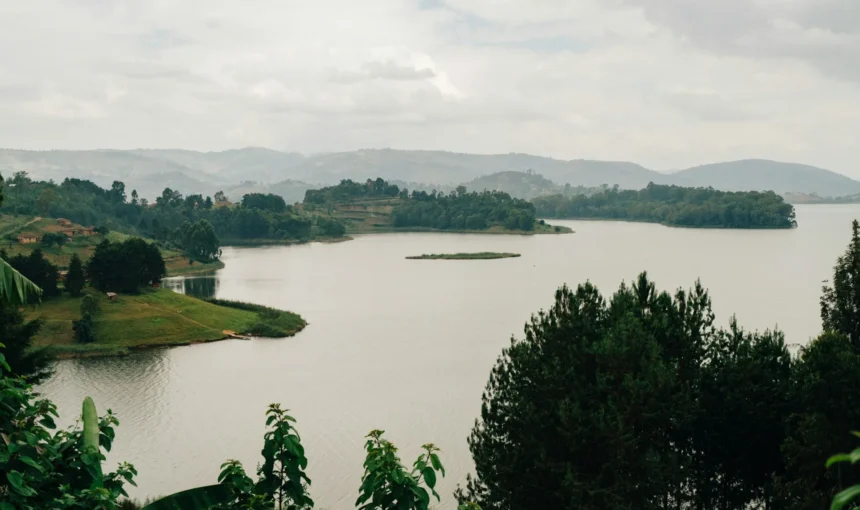
Lake Bunyonyi sits near Kabale in south-western Uganda, close enough to reach after trekking, yet calm enough to change the pace of the whole safari. Instead of another early start, you get quiet water, terraced hills, small islands, bird calls, and a chance to travel by dugout canoe the way local communities have done for generations.
For many guests, canoeing on Lake Bunyonyi after gorilla trekking is the right reset before continuing to Queen Elizabeth National Park, Lake Mburo, Kigali, or Entebbe.
Why Lake Bunyonyi works so well after gorilla trekking
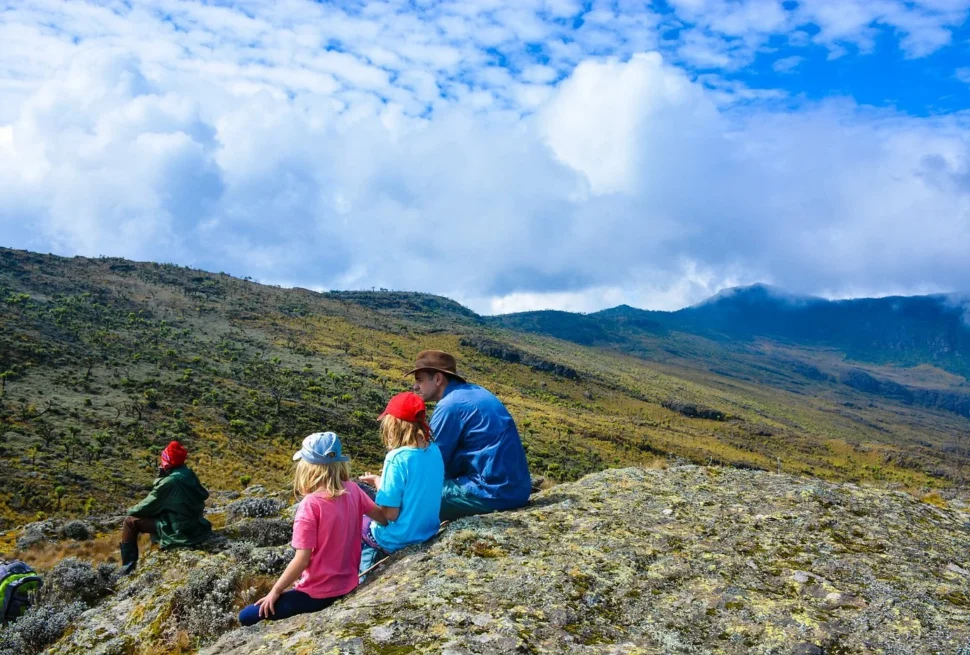
Gorilla trekking is one of Uganda’s best wildlife experiences, but it is not a light walk. Uganda Wildlife Authority rangers lead trekkers through forest trails that can be slippery and uneven. Treks vary in length because gorilla families move through the forest, so one group may return before lunch while another spends much longer in the hills.
Lake Bunyonyi after gorilla trekking gives the body time to recover without wasting a travel day. It is close to both Kabale and Kisoro routes, and it offers soft activities that do not demand much energy.
The lake is also a good choice because it has a mild highland climate. At roughly 1,900 metres above sea level, the air is cooler than in many lowland parks. Evenings can feel fresh, especially after rain, so it is a comfortable place to rest after Bwindi’s forest humidity.
The name “Bunyonyi” is commonly translated as “place of many little birds,” and the area lives up to that. Birdlife around the lake includes weavers, kingfishers, grey crowned cranes in nearby wetland areas, and many smaller species found in gardens, reeds, and cultivated hillsides.
What a traditional Lake Bunyonyi canoe ride is like
A traditional Lake Bunyonyi canoe ride usually uses a dugout canoe, carved from a tree trunk and paddled with a simple wooden paddle. Some lodges also offer wider canoes or motorised boat transfers, but the dugout canoe gives the most local feel.
The first thing most visitors notice is the pace. A canoe moves slowly. You hear the paddle dip into the water, the voices from nearby gardens, and birds in the reeds. Local paddlers know how to balance the canoe, steer across open sections, and explain the islands without rushing the experience.
Lake Bunyonyi canoeing can be arranged as:
- A short sunset paddle near your lodge
- A half-day canoe trip to nearby islands
- A guided cultural canoe experience with village visits
- A canoe and walking combination through terraced communities
Canoeing in Lake Bunyonyi is not about speed. It is about seeing the lake from the waterline. From there, the terraced slopes look different, the islands feel closer, and village life appears in small details, such as children crossing by canoe, farmers tending gardens, and fish traps set near the shore.
Best things to do on Lake Bunyonyi after Bwindi or Kisoro
There are several things to do on Lake Bunyonyi, but the best plan after gorilla trekking is simple. Pick two or three activities and leave time to rest.
Visit the Lake Bunyonyi islands
Lake Bunyonyi is known for its many islands. The exact number is often given differently by guides and lodges, but the lake is dotted with enough islands to make every boat trip interesting.
Popular stops may include:
Punishment Island
This small island is often included in local storytelling tours. Guides share the history connected to local customs and punishment practices from earlier generations. The story should be handled with respect, not treated as entertainment.
Bushara Island
Known for peaceful surroundings and birdlife, Bushara is often visited by travelers looking for a quiet island walk or overnight stay.
Kyahugye Island
Some itineraries include Kyahugye for walking, views, and wildlife viewing in a controlled island setting. Availability and access can vary, so check locally before planning around it.
A guided Lake Bunyonyi boat ride is better than rushing from island to island. Good guides explain clan history, farming patterns, local transport, and how the lake connects communities.
Meet local communities respectfully
Lake Bunyonyi is not only a scenic stop. It is home to farming and fishing communities, with strong links to Kabale and the wider Kigezi region. A village walk may include terraced gardens, local schools, craft groups, canoe-making stories, or a visit to a market area.
Respect matters. Ask before taking photos, dress modestly when walking in villages, and buy directly from local makers where possible. If a community visit is part of a Nturo Safaris itinerary, it should be arranged with a local guide so the visit is fair, clear, and welcomed.
Take in the viewpoints above the lake
Some of the best views come from the hills above the shoreline. Roads around Lake Bunyonyi climb quickly, and even a short drive can give wide views across the islands and terraces.
These viewpoints are useful for photographers because the lake changes with the light. Morning often brings mist in the valleys. Late afternoon gives warmer colours on the hillsides. After rain, the air can become clear, which helps with long-distance photos.
Swim, but check conditions first
Lake Bunyonyi is widely known in Uganda as one of the safer lakes for swimming because it has no hippos or crocodiles. It is also commonly described as bilharzia-free, unlike many lower-lying freshwater areas in the region.
Still, swimmers should use common sense. Ask your lodge where it is safe to swim, avoid swimming after dark, do not swim far from shore alone, and use a life jacket if you are not a confident swimmer. The lake is deep in places, and weather can change quickly.
Where to stay on Lake Bunyonyi
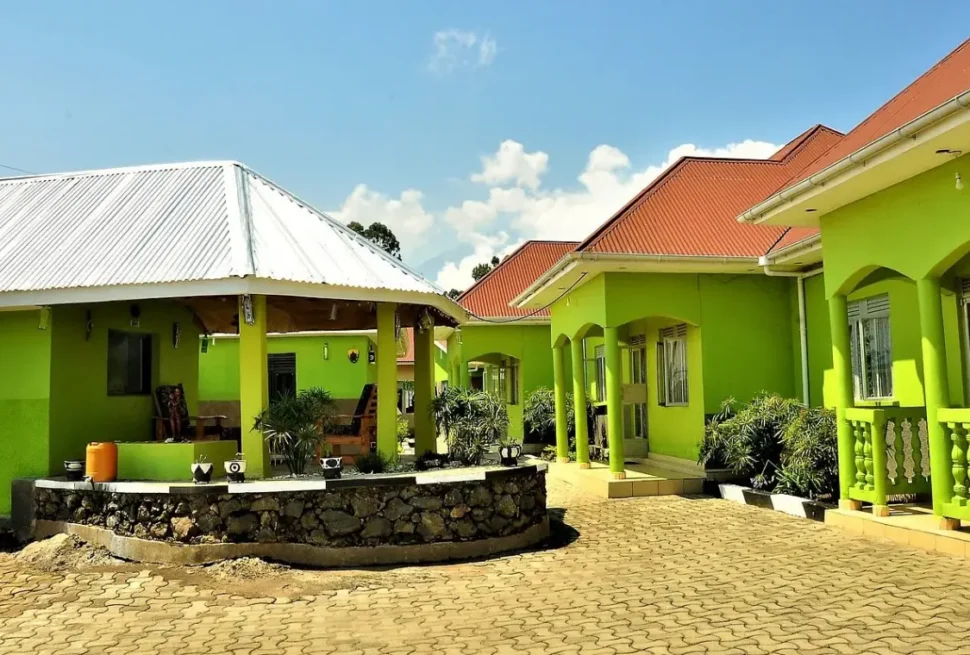
Accommodation around Lake Bunyonyi ranges from simple guesthouses to comfortable mid-range lodges and more private island stays. The right choice depends on how much comfort you want after trekking.
For most guests coming from Bwindi, a good lodge should have:
- Hot showers
- Comfortable beds with warm bedding
- Reliable meals
- Easy access to a canoe or boat jetty
- Clear safety guidance for swimming and boating
- Pleasant views without too many steps, if your legs are tired
Mainland lodges are practical because road access is easier. Island lodges feel quieter, but transfers depend on boat timing and weather. If arriving late from Kisoro, Nkuringo, Rushaga, or Ruhija, a mainland property may be simpler.
For a Bwindi and Lake Bunyonyi safari, Nturo Safaris can plan the lodge based on your trekking sector. This matters because Bwindi is large, and travel times differ a lot between Buhoma, Ruhija, Rushaga, and Nkuringo.
How to travel from Bwindi or Kisoro to Lake Bunyonyi
The route depends on where your gorilla trek starts.
From Rushaga or Nkuringo, you usually travel through Kisoro or Kabale side roads before reaching Lake Bunyonyi. The drive can be slow because of hills, corners, and murram sections, especially after rain.
From Ruhija, the road toward Kabale is often the most direct link to Lake Bunyonyi. This makes Ruhija a practical sector for travelers who want to go to the lake after trekking.
From Buhoma, the journey is longer because Buhoma sits on the northern side of Bwindi. You travel around the forest toward Kabale and then continue to the lake.
From Mgahinga or Kisoro, Lake Bunyonyi is reached by road through highland scenery toward Kabale. This is a strong option for travelers combining golden monkey tracking, gorilla trekking and Lake Bunyonyi.
Road conditions in south-western Uganda change with weather and maintenance. A 4×4 vehicle is strongly recommended, especially during rainy months. Nturo Safaris drivers know these routes and can adjust departure times based on your trek finish, lodge location, and onward plan.
Best time to visit Lake Bunyonyi
Lake Bunyonyi Uganda can be visited year-round. The main difference is road condition, trekking comfort, and visibility.
The drier months, usually from June to September and December to February, are popular for gorilla trekking because forest trails are often less muddy. These months also work well for canoeing and viewpoints.
The wetter months can still be rewarding. The hills look green, lodge gardens are fresh, and there are fewer visitors in some places. Rain often falls in showers rather than all day, but roads can be slippery, and canoe trips may need flexible timing.
Pack for both sun and rain. South-western Uganda’s highland weather can change within the same afternoon.
What to bring for Lake Bunyonyi canoeing and relaxation
After gorilla trekking, most travelers already have boots, rain gear, and warm layers. For Lake Bunyonyi activities, add a few simple items.
Bring:
- Light sandals or shoes for lodge paths and canoe boarding
- A rain jacket or poncho
- A warm layer for evenings
- Sunscreen and a hat
- Insect repellent
- A dry bag or zip bag for your phone and camera
- Swimwear, if your lodge confirms safe swimming access
- Small cash for local crafts, tips, and community visits
- Binoculars for birds and island views
For a canoe trip, avoid carrying too much. Keep cameras secure, listen to the paddler’s boarding instructions, and sit low in the canoe to keep it stable.
How many nights should you stay?
One night on Lake Bunyonyi is possible, especially if the safari schedule is tight. It gives you an evening by the lake and perhaps a short canoe ride the next morning.
Two nights is better. It allows time for a proper canoe trip, an island visit, a village walk, swimming if conditions suit, and a slow morning before travel.
Three nights suits travelers who want real rest after trekking or those adding birding, photography, reading time, or longer community walks. It is also useful if the safari continues to Lake Mburo or Entebbe and you want a less hurried rhythm.
For most Nturo Safaris guests, two nights is the best balance for relaxing after gorilla trekking without making the overall safari too long.
FAQs about Lake Bunyonyi after gorilla trekking
Is Lake Bunyonyi worth visiting after gorilla trekking?
Yes. It is close to Bwindi and Kisoro routes, and it offers gentle activities after a physically demanding trek. Canoeing, island visits, viewpoints, swimming, and quiet lodge time make it one of the best places to rest in south-western Uganda.
How long does it take to reach Lake Bunyonyi from Bwindi?
It depends on your trekking sector. Ruhija is usually the most convenient for Kabale and Lake Bunyonyi. Rushaga and Nkuringo connect through the Kisoro and Kabale side. Buhoma takes longer because it lies north of Bwindi.
Can beginners do Lake Bunyonyi canoeing?
Yes, beginners can enjoy a guided canoe trip. Local paddlers handle the canoe, and guests sit low for balance. If unsure, ask for a stable canoe, wear a life jacket, and choose a short route near the lodge.
Is swimming safe in Lake Bunyonyi?
Lake Bunyonyi is widely known for having no hippos or crocodiles, and it is commonly described as bilharzia-free. Still, always ask your lodge where swimming is safe, avoid swimming alone, and use a life jacket if needed.
What are the best Lake Bunyonyi activities for one full day?
A good one-day plan includes a morning Lake Bunyonyi canoe ride, one or two island stops, lunch at the lodge, a short village walk, and a late afternoon viewpoint. This keeps the day relaxed.
Can I combine gorilla trekking and Lake Bunyonyi in one safari?
Yes. A Bwindi and Lake Bunyonyi safari is one of the most practical combinations in Uganda. The lake works well after trekking in Bwindi or Mgahinga and before continuing to Queen Elizabeth, Lake Mburo, Kigali, or Entebbe.
What should I wear for canoeing in Lake Bunyonyi?
Wear light clothing, sandals or shoes that can handle wet ground, a hat, and a rain jacket nearby. Even on sunny mornings, weather can shift quickly in the highlands.
Is Lake Bunyonyi better for one night or two nights?
Two nights is usually better. One night works for a short stop, but two nights give enough time for canoeing, island visits, local walks, and proper rest after the gorilla trek.
A calm finish to a demanding trek
Lake Bunyonyi is not a place to rush through. It works best when the plan stays simple: arrive from Bwindi or Kisoro, rest, take a guided canoe, visit an island or community, enjoy the views, and sleep well.
For travelers building a Uganda gorilla trekking itinerary, pairing gorilla trekking and Lake Bunyonyi adds balance. The forest gives the wildlife encounter. The lake gives the recovery time that makes the whole safari feel better paced.