A gorilla permit is not just an entry ticket. It decides where you trek, how much you pay, how easy the trip feels, and what kind of conservation model your money supports.
Uganda, Rwanda, and DR Congo are the only countries where travelers can track mountain gorillas in the wild. Uganda and Rwanda are the most established choices. DR Congo can be less expensive and more adventurous, but travel there needs extra caution because security and park access can change.
Permit prices also change over time, so treat the figures below as a planning guide and confirm them with official park authorities or a licensed tour operator before booking.
Quick comparison of gorilla permit costs
The clearest difference between the three countries is price. Rwanda has the highest standard permit fee. Uganda sits in the middle. DR Congo is usually the lowest-cost option, though access can be less predictable.
| Country | Main gorilla trekking areas | Typical standard permit cost for foreign visitors | What the permit usually includes |
| Uganda | Bwindi Impenetrable National Park, Mgahinga Gorilla National Park | About $800 per person | One guided trek and up to one hour with a habituated gorilla family |
| Rwanda | Volcanoes National Park | About $1,500 per person | One guided trek and up to one hour with a habituated gorilla family |
| DR Congo | Virunga National Park, with Grauer’s gorillas in Kahuzi-Biega National Park | Often around $400 per person where tourism is operating | One guided trek and up to one hour with gorillas, subject to park rules and access |
Uganda also offers a gorilla habituation experience in Bwindi, usually priced much higher than a standard trek. It allows a longer visit, often up to four hours with a group that is still becoming used to human presence. Rwanda does not offer the same regular habituation product for tourists.
Rwanda’s higher fee reflects its low-volume, high-value tourism policy. The country has built a premium trekking model around Volcanoes National Park, strong logistics from Kigali, and a well-developed lodge network.
DR Congo’s lower prices can look attractive, but cost should not be the only factor. Virunga and Kahuzi-Biega are in regions where security conditions can change quickly. Park closures, border requirements, armed conflict, and travel advisories can affect whether a trip is possible.
Availability and booking are easiest in Rwanda and Uganda
Gorilla trekking is tightly controlled in all three countries. Each habituated gorilla group can receive only a small number of visitors per day, commonly up to eight people, and visits are limited to about one hour. These rules reduce stress on gorillas and lower the risk of disease transmission.
Uganda booking process
Uganda permits are issued through the Uganda Wildlife Authority, often called UWA. Many travelers book through a licensed Uganda-based operator because Bwindi has several trekking sectors, and the right sector matters.
Bwindi’s main sectors include Buhoma, Ruhija, Rushaga, and Nkuringo. A permit is tied to a specific date and area. Booking the wrong sector can leave you with a long road transfer before an early morning trek.
A typical Uganda booking process looks like this:
- Choose a travel window and preferred park.
- Check permit availability for Bwindi or Mgahinga.
- Match the permit sector with nearby lodging.
- Pay for the permit, often in full.
- Confirm transport, accommodation, and arrival timing.
For peak months such as July, August, September, December, and January, booking six months ahead is sensible. Last-minute permits can appear, but choice may be limited.
Rwanda booking process
Rwanda permits are managed through the Rwanda Development Board and the Visit Rwanda tourism system. Many travelers still use operators, but Rwanda is the easiest country for a short gorilla trip because Volcanoes National Park is only about two to three hours by road from Kigali.
This makes Rwanda the strongest choice for a two-day or three-day itinerary. It is possible to land in Kigali, transfer to Musanze or Kinigi, trek the next morning, and return to the city after the trek.
Availability can still sell out in popular periods. Rwanda has fewer trekking areas than Uganda, so there is less geographic flexibility.
DR Congo booking process
DR Congo bookings need more checking. For mountain gorillas, travelers look mainly to Virunga National Park when tourism is operating. For eastern lowland gorillas, also known as Grauer’s gorillas, Kahuzi-Biega National Park is the key destination.
The booking process depends on current park operations, border access, visas, security rules, and transport from nearby gateways such as Goma or Bukavu. A local operator or direct contact with park authorities is especially useful here.
For DR Congo, do not book flights or nonrefundable travel until the permit, security situation, entry requirements, and park opening status are confirmed.
Best times to visit for gorilla trekking
Gorilla trekking is possible year-round. The gorillas do not migrate out of reach, and park trackers monitor habituated families daily. Weather matters more for comfort, trail conditions, photography, and travel logistics.
The dry seasons are best for easier trekking
The most popular months are usually:
- June to September
- December to February
These are the drier periods in much of the region. Trails can still be slippery because gorillas live in rainforest, but conditions are often easier than during the wettest months.
Dry-season travel is especially useful in Uganda’s Bwindi, where steep trails, thick vegetation, and clay mud can make trekking physically demanding. In Rwanda, the slopes of the Virunga volcanoes can also become slick after rain.
The wet seasons can be quieter and greener
The wetter periods are generally:
- March to May
- October to November
These months can bring heavier rain, muddy trails, and lower visibility. The tradeoff is that parks may feel quieter, vegetation looks lush, and permit availability can be better.
Photography can be good in the wet season because cloud cover softens the light. The challenge is protecting camera gear and accepting that rain may fall at any time.
Gorilla sightings are usually reliable, not guaranteed
Because trackers follow the movements of habituated groups, sightings are highly likely in Uganda and Rwanda. Still, these are wild animals in dense forest. Trek times can range from less than an hour to several hours before the gorillas are found.
The one-hour viewing rule starts when the group reaches the gorillas. Visitors are usually asked to keep distance, avoid flash, stay quiet, and turn away if coughing or sneezing. These rules matter because gorillas can catch human respiratory illnesses.
Uganda offers the broadest choice for most travelers
Uganda is often the best middle ground. It has lower permit costs than Rwanda, a larger choice of trekking sectors, and two mountain gorilla parks.
Bwindi Impenetrable National Park holds many habituated gorilla families and is the center of Uganda’s gorilla tourism. The park is rugged, biodiverse, and famous for steep forest trekking. Mgahinga Gorilla National Park is smaller, but it sits in the Virunga range and offers a different mountain setting.
Uganda’s strongest advantages are:
- More route options Bwindi’s multiple sectors make it easier to shape a trip around permit availability, lodge style, and road routes.
- The habituation experience Uganda is the main place where travelers can book a longer gorilla habituation experience. It costs more than a standard permit, but it gives more time in the forest and a deeper look at the work of trackers and researchers.
- Easy safari combinations Uganda pairs well with chimpanzee tracking in Kibale Forest, tree-climbing lions in Queen Elizabeth National Park, boat safaris on the Kazinga Channel, and wildlife viewing in Murchison Falls.
The main drawback is travel time. Road transfers from Entebbe or Kampala to Bwindi are long, often taking most of a day. Domestic flights can reduce this, but they raise the total cost.
Rwanda is best for short trips and smooth logistics
Rwanda is the simplest country for a quick, polished gorilla trek. Volcanoes National Park is close to Kigali, roads are generally good, and the tourism setup is highly organized.
This matters for travelers with limited time. A Rwanda gorilla trip can fit into a long weekend more easily than a Uganda trek. The morning briefing at park headquarters is well structured, and the trek groups are assigned based on fitness, interest, and gorilla family locations.
Rwanda’s unique strengths include:
- Fast access from KigaliFew gorilla destinations in Africa are this easy to reach from an international airport.
- Volcano sceneryTreks take place on the forested slopes of the Virunga volcanoes, with bamboo zones and open views in some areas.
- Dian Fossey historyVolcanoes National Park is closely linked to Dian Fossey’s research and the Karisoke area. The Dian Fossey Gorilla Fund continues to support gorilla protection and research in the region.
- Golden monkey trackingRwanda is also one of the best places to track golden monkeys, which makes a strong add-on to a gorilla trek.
The main drawback is cost. At about $1,500 for a standard permit, Rwanda can be twice the price of Uganda and several times the listed permit cost in DR Congo.
DR Congo is the adventurous choice, with extra risk checks
DR Congo offers some of the most powerful gorilla experiences in Africa, but it is not the easiest choice.
Virunga National Park is Africa’s oldest national park and part of the wider Virunga Massif shared with Rwanda and Uganda. When tourism is operating, it can offer mountain gorilla trekking at a much lower permit price than Rwanda and Uganda.
Kahuzi-Biega National Park, near Bukavu, is different. It is known for eastern lowland gorillas, or Grauer’s gorillas, the largest gorilla subspecies. This gives DR Congo a unique place in gorilla tourism because visitors can see a type of gorilla not found in Uganda or Rwanda.
DR Congo is best suited to experienced travelers who are comfortable with changing plans, border logistics, and stricter safety checks.
Before planning a DR Congo gorilla trip, confirm:
- The park is open for tourism.
- The route is considered safe by park authorities.
- Visa and border rules are current.
- Transport is arranged with a trusted operator.
- Travel insurance covers the destination and activities.
- Government travel advisories do not rule out the route.
The lower permit cost can be meaningful, but unpredictable access can offset those savings.
Conservation impact matters in all three countries
Gorilla permits are expensive because gorilla conservation is expensive. Rangers, veterinary teams, trackers, researchers, park operations, and community programs all need steady funding.
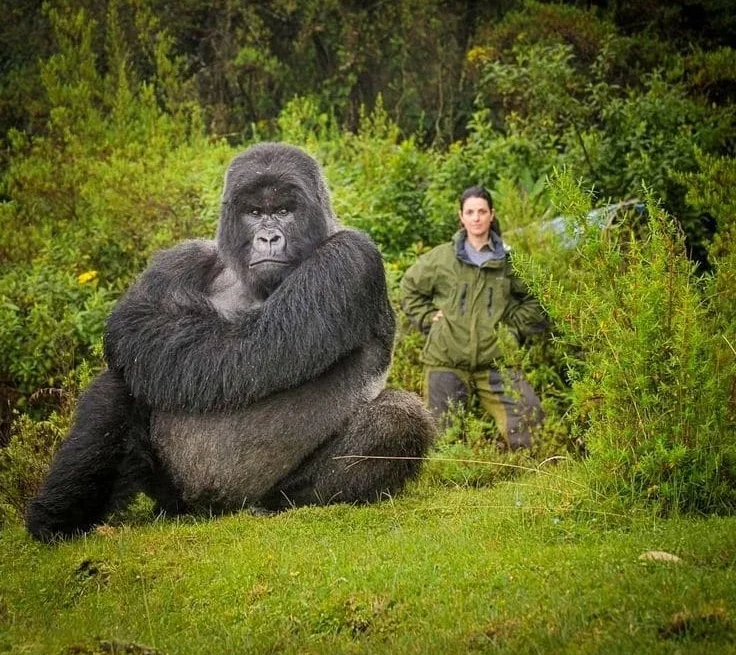
Mountain gorillas remain endangered, but they are one of conservation’s better-known success stories. The most widely cited regional estimates put the total mountain gorilla population above 1,000 individuals, following coordinated censuses in the Virunga Massif and the Bwindi-Sarambwe ecosystem. That recovery has been linked to intensive protection, veterinary care, tourism revenue, and cooperation across borders.
The work involves several layers:
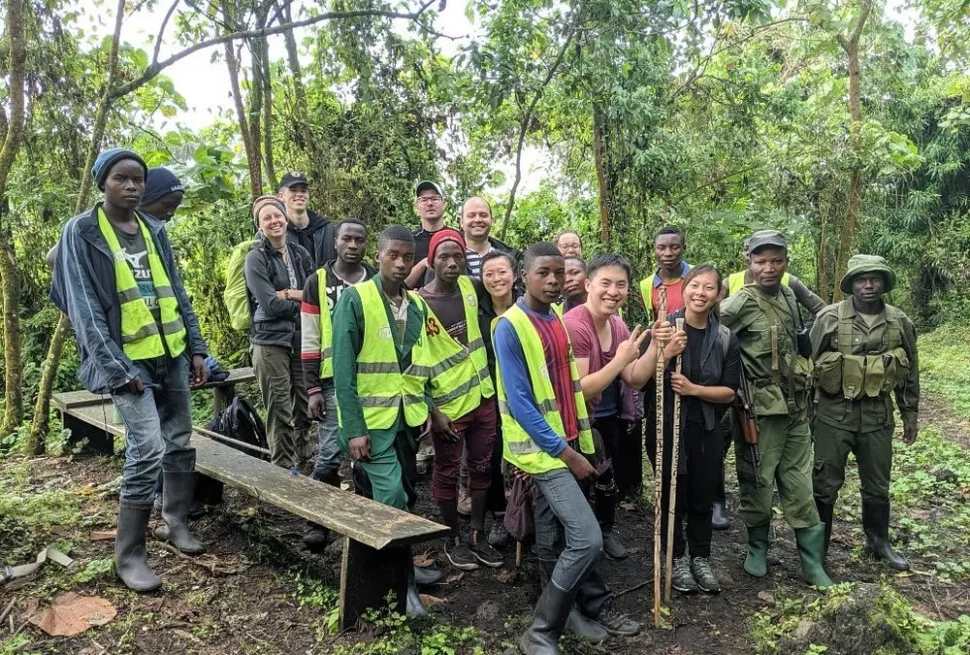
- Daily monitoringTrackers follow habituated groups, record health signs, and help protect gorillas from snares or conflict.
- Veterinary supportSpecialist teams can respond when gorillas suffer snare injuries or show signs of serious illness.
- Community revenue sharingTourism income helps fund local projects around parks. The goal is to make living gorillas more valuable to neighboring communities than forest clearance or poaching.
- Strict visitor rulesLimited group size, one-hour visits, distance rules, and illness restrictions reduce pressure on gorillas.
- Transboundary cooperationGorillas do not follow political borders. Uganda, Rwanda, and DR Congo all play a role in protecting the Virunga and Bwindi-Sarambwe populations.
Tourism is not a perfect tool. It can create disease risk and pressure on fragile habitats if poorly managed. But when rules are enforced, gorilla trekking provides a direct financial reason to protect forests and the animals that depend on them.
Which country should you choose?
The best choice depends on budget, travel time, comfort level, and the kind of experience you want.
| Choose this country | Best fit |
| Uganda | Best overall value, more trekking sectors, habituation experience, longer safari combinations |
| Rwanda | Best for short trips, easier logistics, premium lodges, smooth access from Kigali |
| DR Congo | Best for experienced travelers seeking lower permit costs or eastern lowland gorillas, only when security and park access are favorable |
For most first-time gorilla trekkers, Uganda offers the strongest balance of price, availability, and variety. Rwanda is the easiest choice when time is short and budget is less of a concern. DR Congo can be remarkable, but it needs the most careful planning.
Frequently asked questions
How far ahead should gorilla permits be booked?
For Uganda and Rwanda, book at least three to six months ahead if traveling in June to September or December to February. For Christmas, New Year, and peak safari season, earlier is better. DR Congo bookings should depend first on current park access and security guidance.
Is Rwanda worth the higher permit price?
Rwanda can be worth it for travelers who value short transfers, high-end accommodation, and a very organized trekking setup. The higher permit cost is harder to justify for longer regional safaris where Uganda offers more variety at a lower permit price.
Are gorilla permits refundable?
Refund rules vary by country, park authority, booking channel, and reason for cancellation. Some cases allow partial refunds or date changes, while others do not. Check the written terms before paying.
Which country has the easiest gorilla trek?
No country can guarantee an easy trek because gorillas move daily. Rwanda often has smoother logistics and some groups may be reached faster, but steep terrain is still possible. Uganda’s Bwindi can be more physically demanding, especially in wet conditions.
Can children go gorilla trekking?
Most gorilla trekking destinations set a minimum age of 15 years. This rule helps with safety, behavior around gorillas, and disease prevention.
The takeaway
Uganda, Rwanda, and DR Congo all offer rare access to wild gorillas, but they suit different trips.
Pick Uganda for value, variety, and the option of a longer habituation experience. Pick Rwanda for the easiest logistics and a short, well-organized itinerary. Pick DR Congo only after careful safety checks, especially if the lower permit cost or the chance to see eastern lowland gorillas is central to the trip.
The permit price is only one part of the decision. The better question is which country gives the right mix of cost, access, timing, safety, and conservation impact for the journey you want to take.