A well-planned East Africa safari and Zanzibar beach holiday works best when the route is built around permits, flights and wildlife seasons, not just a map. Bwindi sits in southwestern Uganda, the Serengeti stretches across northern Tanzania, and Zanzibar lies off the Tanzanian coast. They combine well, but only if the itinerary allows enough time for border crossings, light-aircraft flights and rest between big travel days.
For most travelers, the best order is Uganda first, Tanzania second, Zanzibar last. Start with mountain gorilla trekking in Bwindi Impenetrable National Park, continue to a Serengeti safari, then finish with Stone Town and the beach. This keeps the most relaxed part of the trip at the end and avoids rushing to a fixed gorilla permit date after several international connections.
Why Serengeti, Bwindi and Zanzibar work well together
This is one of the strongest combinations for an East Africa multi-country safari because each destination offers a different pace.
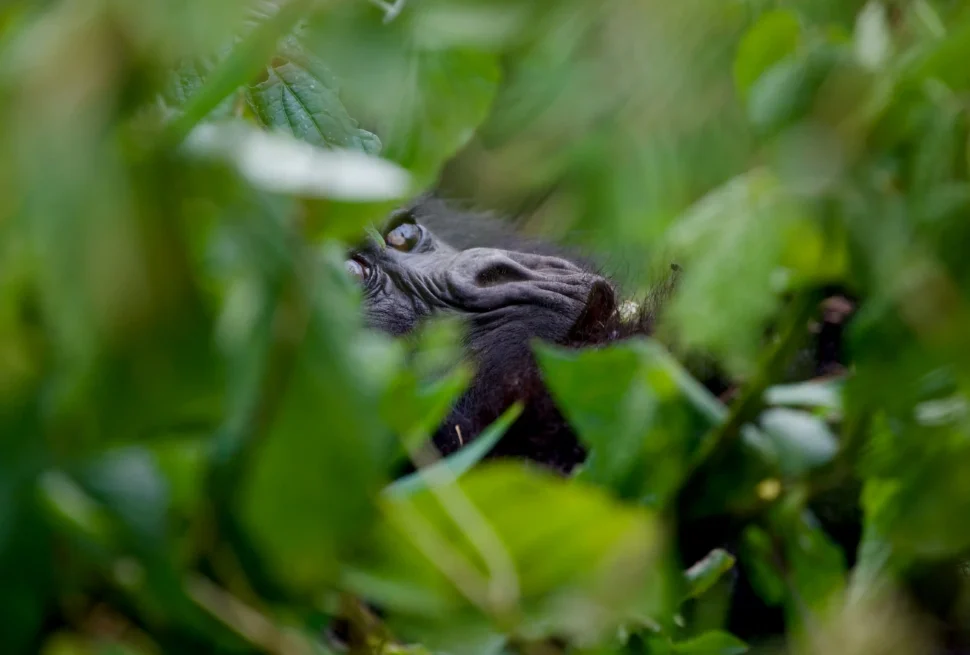
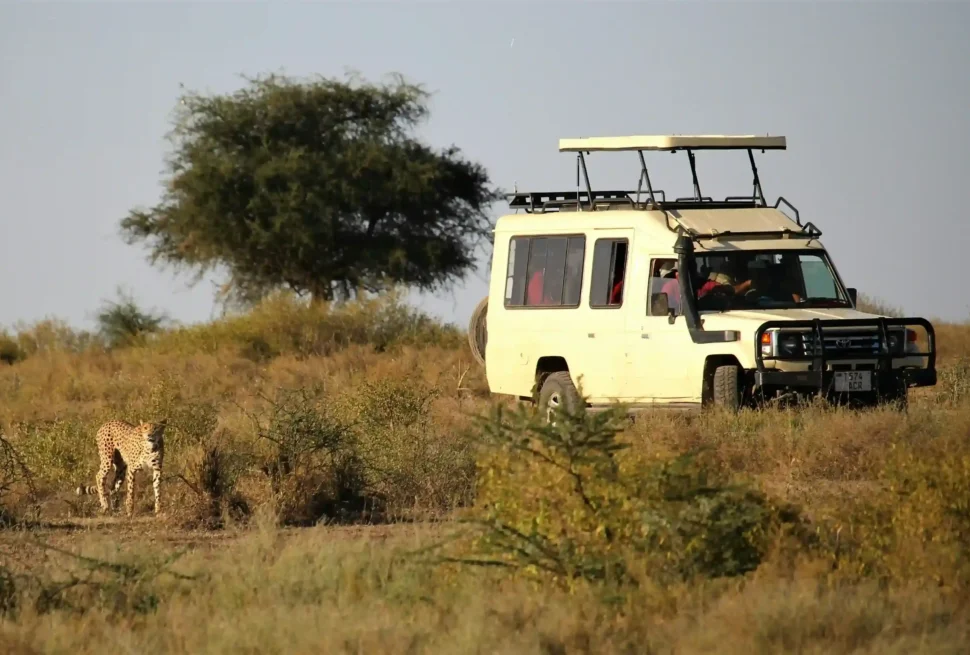
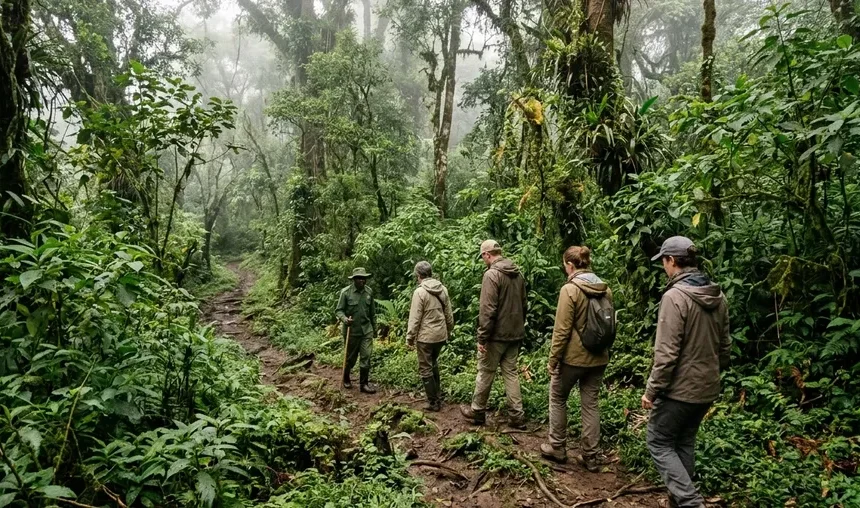
Bwindi gives a focused primate experience. Treks can be short or demanding, depending on where the gorilla family is on the day. The Serengeti adds open savannah wildlife viewing, big cat country and, in the right season, Great Migration herds. Zanzibar then gives time to slow down with the Indian Ocean, spice farms, dhow trips, reef snorkeling and Stone Town’s Swahili, Arab, Indian and European influences.
The key planning point is that this is not a simple point-to-point road trip. A realistic Serengeti Bwindi Zanzibar itinerary uses a mix of road transfers, scheduled flights and light aircraft. Flight schedules change by season, and small aircraft often route through hubs such as Entebbe, Nairobi, Kilimanjaro, Arusha or Dar es Salaam.
The best route and travel order
The smoothest route is usually:
- Arrive in Entebbe, Uganda
- Fly or drive to Bwindi
- Return to Entebbe
- Fly to northern Tanzania, usually Kilimanjaro International Airport or Arusha via a regional hub
- Fly or drive into the Serengeti
- Fly from the Serengeti or Arusha to Zanzibar
- Depart from Zanzibar or connect through Dar es Salaam, Nairobi, Addis Ababa or other major hubs
This order helps because gorilla permits are issued for a specific date and sector. It is better to arrive in Uganda with a buffer night before the trek. If a long-haul flight is delayed, a missed permit can be difficult to recover during peak season.
Bwindi travel times
From Entebbe, the most comfortable option is a scheduled domestic flight to Kihihi or Kisoro, followed by a road transfer of about 1 to 2 hours, depending on the lodge and sector. Driving from Entebbe or Kampala to Bwindi usually takes 8 to 10 hours, sometimes longer with traffic, roadworks and weather.
Bwindi has four main trekking sectors: Buhoma, Ruhija, Rushaga and Nkuringo. The permit must match the sector, so Nturo Safaris should pair the permit with the right lodge before confirming flights.
Serengeti travel times
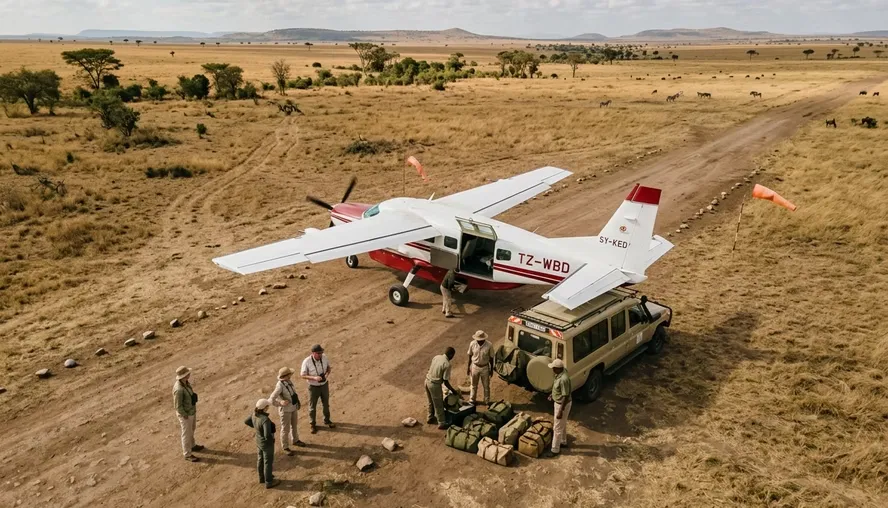
For Tanzania, many itineraries enter through Kilimanjaro International Airport. From Arusha, travelers can either drive via the Ngorongoro highlands or fly by light aircraft to an airstrip such as Seronera, Kogatende, Ndutu or Grumeti, depending on season and camp location.
Driving from Arusha to the central Serengeti is a full-day journey, often 7 to 9 hours with stops and park formalities. Flying takes about 1 to 3 hours depending on routing and stops.
Zanzibar connections
From the Serengeti, flights to Zanzibar may operate via Arusha, Kilimanjaro or Dar es Salaam, depending on the airline and season. Some routings are direct in practice but still stop en route. Travelers should treat published flight times as schedules, not guarantees, especially with light aircraft operations.
Realistic 12 to 16 day itinerary options
A good Uganda Tanzania Zanzibar safari needs enough nights in each place. The goal is not to count countries, but to protect the quality of the experience.
A 12-day itinerary for focused travelers
This works for travelers who want gorillas, a serious Serengeti safari and a short Zanzibar finish.
| Day | Plan | Notes |
| 1 | Arrive in Entebbe | Overnight near the airport |
| 2 | Fly or drive to Bwindi | Fly if budget allows |
| 3 | Gorilla trekking in Bwindi | Permit required |
| 4 | Return to Entebbe | Overnight before regional flight |
| 5 | Fly to Kilimanjaro or Arusha | Connect via Nairobi, Dar es Salaam or another hub |
| 6 | Fly or drive to Serengeti | Afternoon game drive if timing allows |
| 7 to 8 | Serengeti safari | Choose location by season |
| 9 | Fly to Zanzibar | Usually via Arusha or Dar |
| 10 to 11 | Zanzibar coast | Beach, snorkeling, spice tour or dhow trip |
| 12 | Depart | Fly from Zanzibar or connect onward |
This is the shortest comfortable version of a Serengeti and gorilla trekking tour with a beach ending. It leaves little room for flight delays, so it suits travelers with good regional connections and a moderate to high budget.
A 14-day itinerary with better pacing
A 14-day Uganda Tanzania and Zanzibar safari is the most balanced option.
| Day | Plan | Notes |
| 1 | Arrive in Entebbe | Rest after international travel |
| 2 | Fly to Bwindi | Settle into the lodge |
| 3 | Gorilla trekking | Optional community walk later |
| 4 | Optional second trek or forest experience | Second permits add cost but improve chances of varied sightings |
| 5 | Return to Entebbe | Overnight near airport |
| 6 | Fly to Kilimanjaro or Arusha | Regional connection day |
| 7 | Fly to Serengeti | Start safari |
| 8 to 10 | Serengeti safari | Central, north, south or west by season |
| 11 | Fly to Zanzibar | Transfer to Stone Town or coast |
| 12 | Stone Town and spice tour | UNESCO-listed historic area |
| 13 | Beach day | Snorkeling, diving or rest |
| 14 | Depart | International or regional flight |
This is the version Nturo Safaris would usually recommend for a first-time African safari and beach vacation because it includes buffer nights and avoids too many one-night stops.
A 16-day itinerary with Stone Town and a deeper safari
This suits travelers who want comfort, stronger wildlife time and a less rushed gorilla trekking and Zanzibar beach holiday.
| Day | Plan | Notes |
| 1 | Arrive in Entebbe | Airport-area hotel |
| 2 | Fly to Bwindi | Lodge in the correct trekking sector |
| 3 | Gorilla trek | UWA permit required |
| 4 | Second gorilla trek, Batwa experience or village walk | Good for photographers and primate-focused travelers |
| 5 | Return to Entebbe | Rest night |
| 6 | Fly to northern Tanzania | Kilimanjaro or Arusha |
| 7 | Serengeti transfer | Fly-in preferred |
| 8 to 11 | Serengeti safari | Four nights allow better coverage |
| 12 | Fly to Zanzibar, Stone Town | Evening food market if timing fits |
| 13 | Stone Town tour and spice farm | Cultural day |
| 14 to 15 | Beach resort | Nungwi, Kendwa, Matemwe, Paje or Jambiani |
| 16 | Depart | Connect home |
This longer route works well for a Uganda gorilla safari and Zanzibar trip that still gives proper time to Tanzania.
Gorilla permits and Bwindi planning
Mountain gorilla trekking in Uganda is regulated by the Uganda Wildlife Authority. At the time of writing, Uganda’s gorilla trekking permit for foreign non-residents is commonly listed at USD 800 per person, with different rates for foreign residents and East African citizens. Permit fees can change, so we confirm the latest rates directly with the Uganda Wildlife Authority before collecting final payment.
Key rules generally include:
- Minimum trekking age is 15 years
- Permits are issued for a specific date and sector
- A maximum of visitors is assigned to each habituated gorilla group per day
- Time with the gorillas is limited, usually to one hour after the group is found
- Flash photography is not allowed
- Sick travelers may be refused trekking to protect gorillas
A Bwindi gorilla trekking safari should use at least two nights in Bwindi. One night is too risky because late arrivals can affect the trek briefing, and mountain roads can be slow in rain.
Accommodation ranges from simple lodges and guesthouses to high-end forest lodges with strong guiding and views. Mid-range properties often give the best value, while luxury lodges reduce transfer stress by being closer to the trailhead.
Serengeti seasons and the Great Migration
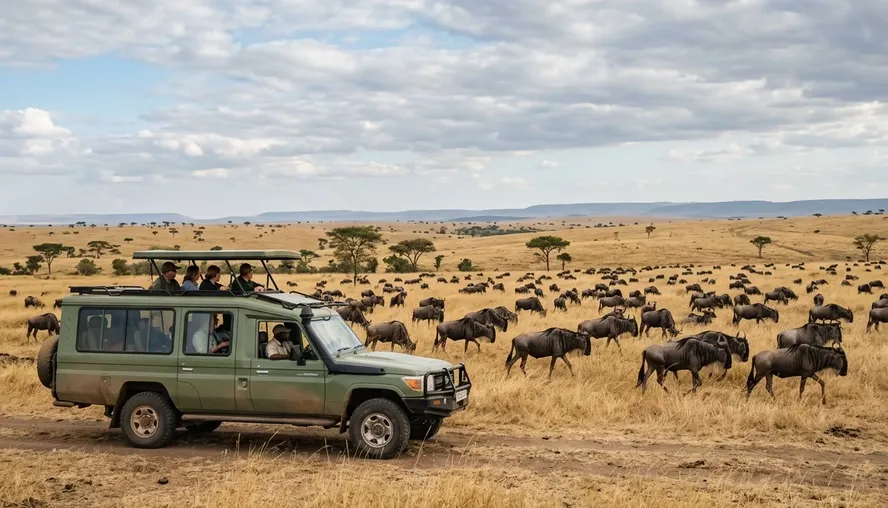
The Serengeti is good year-round, but the Great Migration changes location with rainfall and grass conditions. No operator can guarantee exact herd positions because the animals follow fresh grazing.
Use this seasonal guide as a planning framework:
| Season | Typical migration focus | Best base |
| December to March | Calving season and large herds in the southern Serengeti and Ndutu area | Ndutu or southern Serengeti |
| April to May | Green season, herds may spread, some roads can be muddy | Central or south, depending on access |
| June to early July | Movement through western and central areas, possible Grumeti action | Western corridor or central |
| July to October | Northern Serengeti and Mara River area | Kogatende or northern Serengeti |
| November | Short rains can pull herds south again | Central or north-to-south routing |
For a Serengeti safari and Zanzibar combination, the most practical choice is often three or four nights in the Serengeti. Two nights can work, but it leaves little time if flights arrive late or wildlife is dispersed.
Tanzania National Parks Authority regulations and concession rules guide park fees, driving areas, off-road restrictions and night-driving permissions. These vary by park zone and accommodation type, so current rules should be checked through TANAPA and the lodge before travel.
Zanzibar after safari
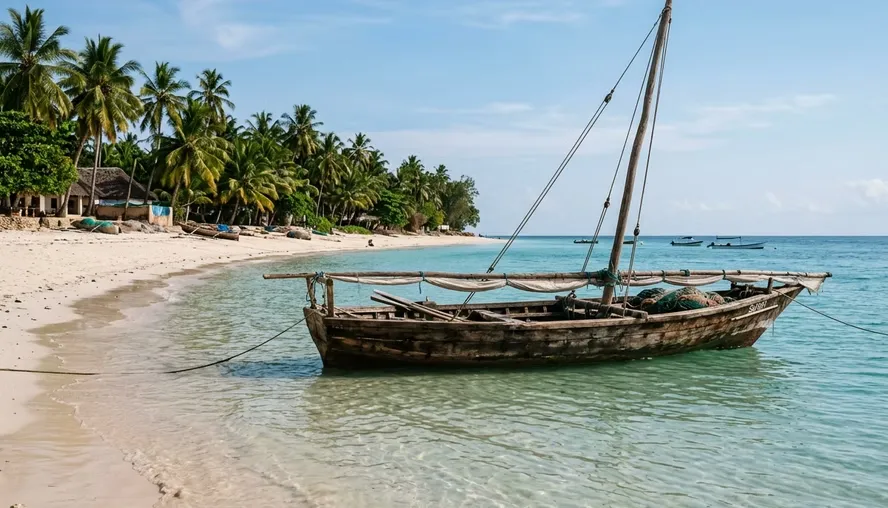
Zanzibar is best placed at the end because it softens the pace after early safari starts. A good Zanzibar stay uses at least three nights, though four or five is better if the trip has been flight-heavy.
Stone Town deserves one night or a full day. The old town is a UNESCO World Heritage Site, and a guided walk can include carved doors, the old fort, markets, former trade sites and seafront history. A spice farm visit pairs well with Stone Town before transferring to the beach.
For beach areas, match the coast to the travel style:
- Nungwi and Kendwa suit swimming, sunset views and a livelier resort feel
- Matemwe and the northeast coast suit quieter hotels and access to Mnemba-area snorkeling
- Paje and Jambiani suit kiteboarding, long beaches and a more active village feel
- Fumba and the southwest suit dhow trips and quieter coastal stays
Beach activities can include snorkeling, scuba diving, kiteboarding, dhow cruises, cooking classes and village visits. Marine conditions, tides and visibility vary, so activity plans should stay flexible.
Best time to travel
The driest months for gorilla trekking are generally June to September and December to February, though Bwindi is a rainforest and rain can fall at any time. Trails may be steeper and muddier in wetter months, but the forest is open year-round.
For Zanzibar, June to October is usually a strong beach season, with lower humidity and comfortable conditions. December to February is also popular, with hotter weather. The long rains often affect parts of East Africa from around March to May, though exact timing varies.
For the Great Migration, choose the Serengeti sector first, then build the rest of the route around it. A July to September trip often pairs northern Serengeti with Zanzibar very well, while a January to March trip pairs southern Serengeti calving season with gorillas and warm Zanzibar beach days.
Visas, entry rules and official checks
Travelers usually need to meet entry requirements for both Uganda and Tanzania. Zanzibar is part of the United Republic of Tanzania, so the Tanzania entry process applies, with Zanzibar-specific health or insurance rules possible depending on current policy.
Before ticketing, verify requirements through official sources:
- Uganda Directorate of Citizenship and Immigration Control for Uganda eVisa rules
- Uganda Wildlife Authority for gorilla permit fees and trekking rules
- Tanzania Immigration Services Department for Tanzania visa rules
- Tanzania National Parks Authority for park regulations and fees
- Zanzibar Commission for Tourism or official Zanzibar government channels for local visitor requirements
Many travelers use an Uganda single-entry visa for the gorilla section and a Tanzania visa for the mainland and Zanzibar. Some nationalities can apply online, while others have different rules. Passport validity, blank pages, yellow fever certificate requirements and travel insurance rules should be checked based on nationality and route.
Budget and accommodation choices
A Uganda Tanzania and Zanzibar tour can be planned at several levels, but this route is rarely a low-cost trip because it includes gorilla permits, regional flights and national park fees.
Comfort level
Good mid-range lodges, scheduled transfers, shared or private game drives, and quality beach hotels. This suits most travelers who want value without basic accommodation.
Luxury level
Fly-in safari camps, top forest lodges in Bwindi, private guiding and high-end Zanzibar resorts. This is best where time is limited and comfort matters.
High-end migration season level
Northern Serengeti from July to October and southern Serengeti from January to March can price higher because camp locations are in demand.
The main cost drivers are gorilla permits, number of Serengeti nights, fly-in versus road transfers, private guiding, lodge location and Zanzibar beach standard.
Frequently asked questions
How many days do I need for Serengeti, Bwindi and Zanzibar?
Plan at least 12 days, but 14 to 16 days is better. A 14-day itinerary gives enough time for Bwindi gorilla trekking, three nights in the Serengeti and a short Zanzibar beach stay without too many rushed transfers.
What is the best order for a Serengeti, Bwindi and Zanzibar itinerary?
The best order is usually Uganda first, Tanzania second and Zanzibar last. This protects the fixed gorilla trekking date, keeps the main safari in the middle and ends with beach time.
Can I fly between Uganda, the Serengeti and Zanzibar?
Yes, but most routes use connections. Travelers often fly from Entebbe to Kilimanjaro, Arusha, Dar es Salaam or Nairobi, then connect to Serengeti airstrips and later to Zanzibar. Schedules vary by season.
When should I book gorilla permits?
Book as early as possible, especially for June to September, December to February and holiday periods. Permits are limited, date-specific and tied to a trekking sector in Bwindi.
Is Zanzibar part of Tanzania for visa purposes?
Yes. Zanzibar is part of Tanzania, so Tanzania visa rules apply. Travelers should also check official Zanzibar government sources for any local arrival requirements that may be in force.
Can I see the Great Migration and gorillas in one trip?
Yes. The route works well if the Serengeti camp is chosen for the season. Herd locations vary with rain and grazing, so the itinerary should target the right region rather than promise a fixed migration point.
Is this trip suitable for a first safari?
Yes, if the pace is realistic. A first safari works best with two nights in Bwindi, three or four nights in the Serengeti and at least three nights in Zanzibar.
Final planning advice
The best Serengeti Bwindi and Zanzibar 12-day itinerary is the one that does not cut the transfer days too tightly. For most travelers, 14 days gives a stronger result, better rest and more room for changing flight schedules.
Build the trip in this order: confirm gorilla permits, choose the Serengeti region by season, then select Zanzibar beach time based on flight access and tides. Wildlife sightings, migration movements and airline schedules can vary, but careful planning gives this route the right balance of primates, big-game safari and Indian Ocean coast.