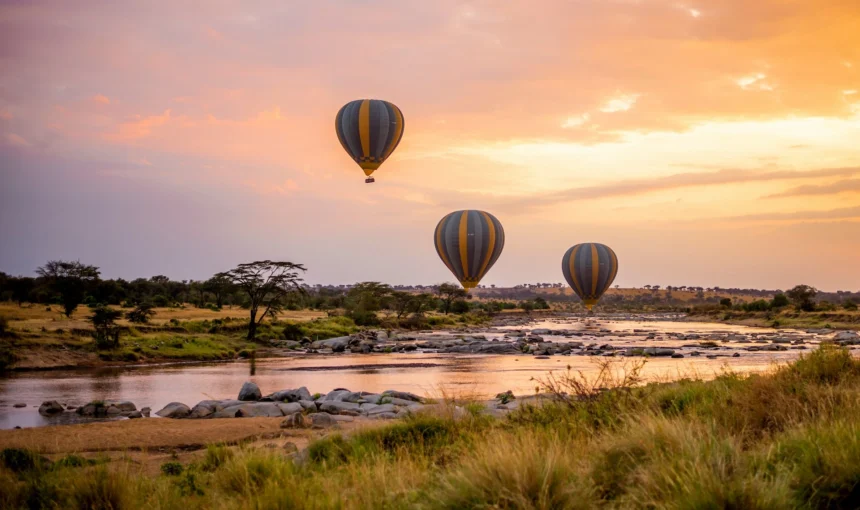
A good safari choice starts with habitat. The Serengeti’s wide plains make animals easier to scan from a distance, while Uganda’s savannah parks mix grassland, woodland, wetlands, rivers and escarpments. That difference shapes everything: predator sightings, elephant behavior, birdlife, photography, travel time and cost.
This Serengeti vs Uganda wildlife safari guide compares Tanzania’s Serengeti National Park with Uganda’s Murchison Falls, Queen Elizabeth and Kidepo Valley national parks. The aim is not to crown one winner. The better choice depends on timing, budget, interests and whether gorillas or chimpanzees are part of the larger trip.
The information below follows widely accepted park and conservation references, including Tanzania National Parks, Uganda Wildlife Authority, UNESCO World Heritage information for Serengeti, and long-standing regional safari knowledge. Wildlife is wild, so sightings vary with season, rainfall, habitat, animal movement and local conditions.
The main difference is scale, habitat and safari rhythm
Serengeti National Park is part of the larger Serengeti-Mara ecosystem, famous for its open grasslands, predator populations and the Serengeti Great Migration. The park covers a vast area in northern Tanzania and links naturally with Ngorongoro, Tarangire and Lake Manyara on many safari routes.
Uganda’s savannah parks feel more varied from day to day.
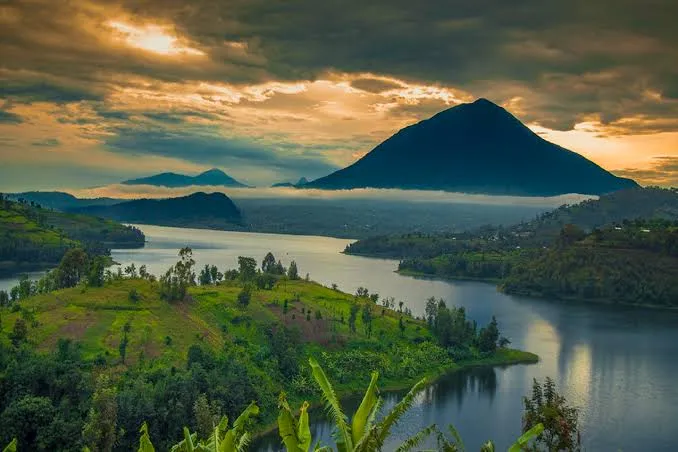
- Murchison Falls National Park combines Nile riverfront wildlife, palm-dotted savannah, woodland and the dramatic falls where the Nile squeezes through a narrow gorge.
- Queen Elizabeth National Park includes crater lakes, open plains, wetlands, the Kazinga Channel and the Ishasha sector, known for lions that sometimes rest in fig trees.
- Kidepo Valley National Park sits in Uganda’s far northeast, with dry valleys, rugged hills and a wildlife mix that feels closer to the semi-arid savannahs of Kenya and Tanzania.
For first-time travelers who want classic wide-open plains and the strongest chance of seeing large predator-prey interactions, a Serengeti wildlife safari is hard to match. For travelers who want variety, river safaris, primates and fewer vehicles in some areas, a Uganda wildlife safari can feel richer across a full itinerary.
Wildlife diversity and predator sightings
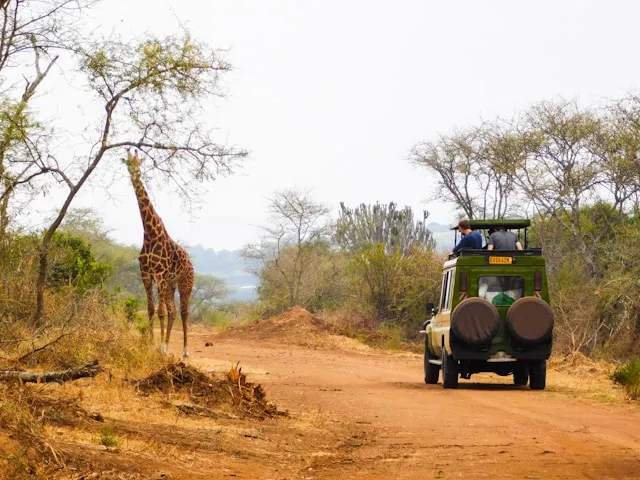
The Serengeti is one of Africa’s best-known wildlife areas for good reason. Its large grassland ecosystem supports wildebeest, zebra, gazelle, buffalo, elephant, giraffe, hippo and many antelope species. Predators include lion, leopard, cheetah, spotted hyena and smaller carnivores such as jackals and servals.
Predator sightings are often strong in central Serengeti, especially around suitable lion and leopard habitat. Cheetah sightings are helped by open plains where these cats hunt by speed and visibility. Still, weather, grass height and prey movement can change results quickly.
Uganda’s savannah parks offer excellent wildlife, but with a different pattern.
Queen Elizabeth National Park wildlife is varied because the park includes savannah, wetlands, crater areas and the Kazinga Channel. Lions, leopards, hyenas, elephants, buffalo, Uganda kob, hippos, crocodiles and many birds occur here. Ishasha is one of East Africa’s best-known places to look for tree-resting lions, though sightings should never be treated as certain.
A Murchison Falls National Park safari is especially strong for river-based wildlife. Elephants, buffalo, giraffes, hartebeest, Uganda kob, hippos and crocodiles are major attractions. Lions and leopards occur, with predator sightings often best on early morning drives in the northern sector.
Kidepo Valley National Park wildlife stands apart in Uganda. The park supports species linked to drier savannah, including buffalo, elephants, giraffes, lions, hyenas and several antelope species. Cheetah and ostrich are associated with this region in Uganda, but sightings can be irregular and depend heavily on local conditions.
Elephants, buffalo and big herds
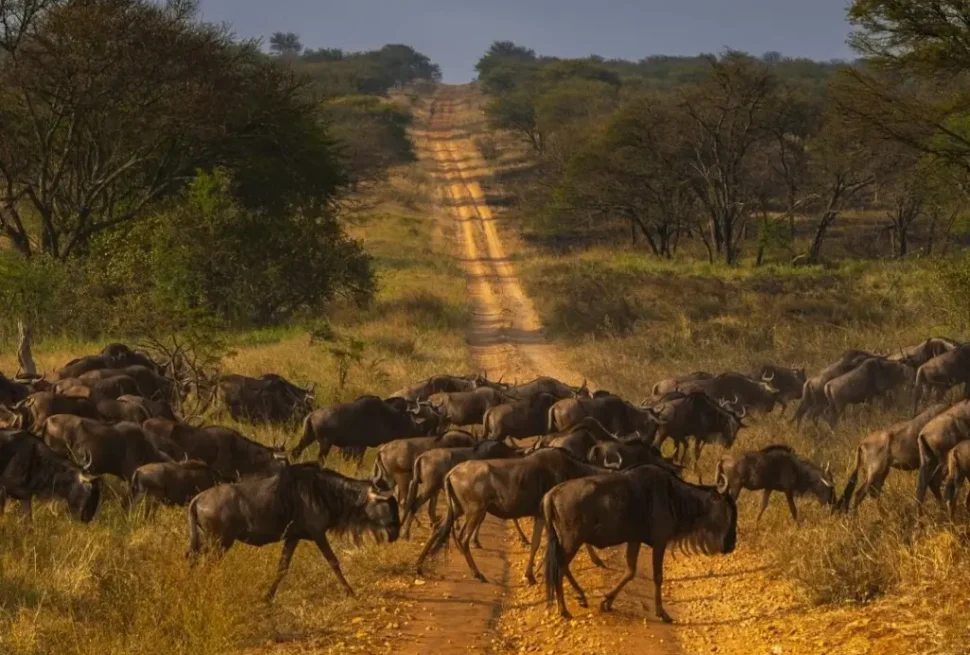
Serengeti has strong buffalo numbers and elephants, though the exact experience depends on the zone visited. Buffalo are common in many areas, while elephants are often seen around woodland, riverine and mixed habitat. The Serengeti’s greatest herd spectacle is not elephant or buffalo, but the seasonal movement of wildebeest and zebra.
Uganda’s parks can be excellent for elephant and buffalo viewing. Queen Elizabeth and Murchison Falls both have regular elephant and buffalo sightings, often close to water. The Kazinga Channel in Queen Elizabeth is especially useful for watching elephants, buffalo, hippos and waterbirds from a boat.
Kidepo is known for large buffalo herds, sometimes seen moving across broad valleys. The setting is usually quieter than the major northern Tanzania circuit, which helps photographers and repeat visitors who prefer time with a herd rather than a quick stop.
The Great Migration is the Serengeti’s strongest advantage
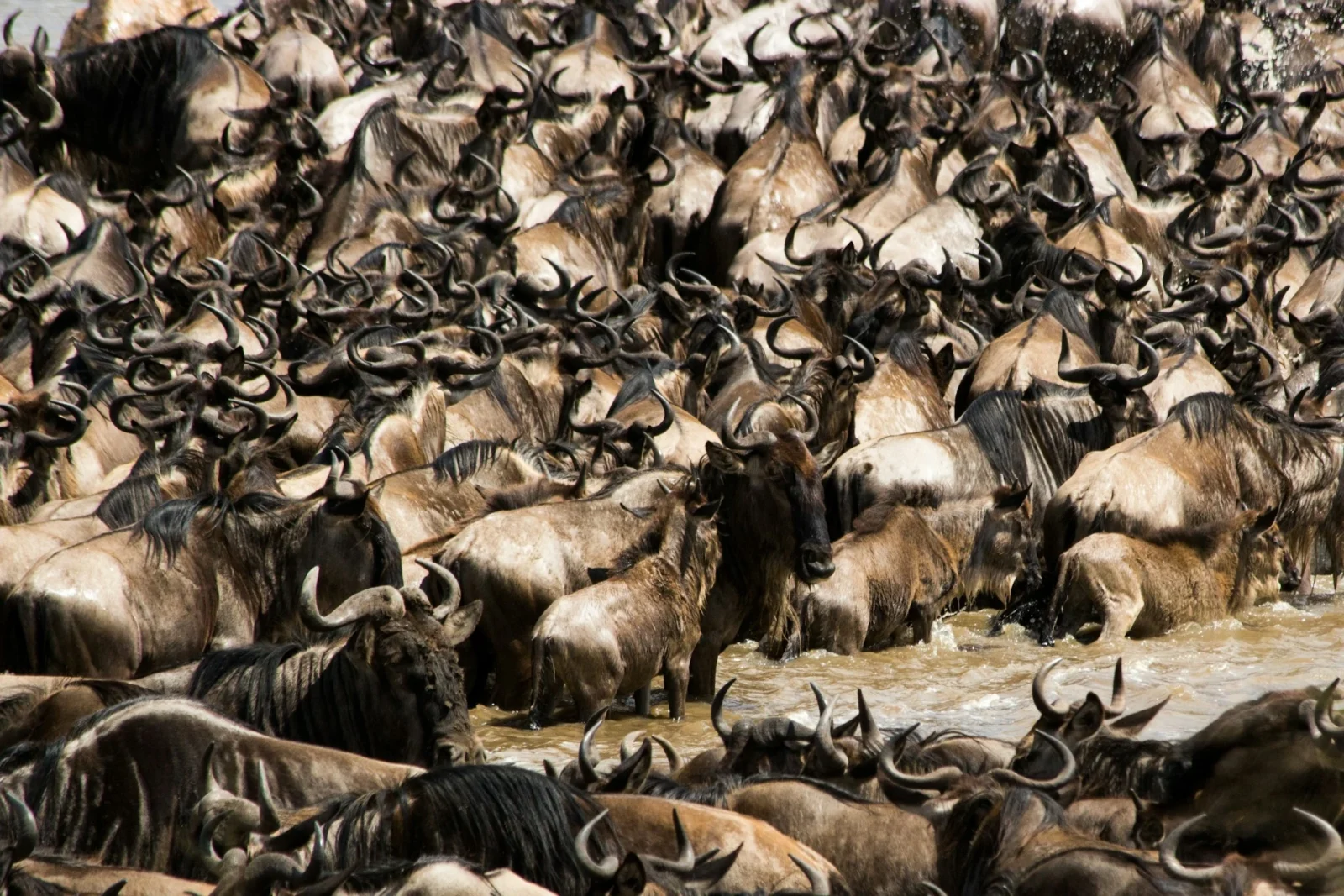
The Serengeti Great Migration is the main reason many travelers choose Tanzania. Over a million wildebeest, along with large numbers of zebra and gazelle, move through the Serengeti-Mara ecosystem in search of grass and water. The movement is seasonal, but not controlled by a fixed calendar. Rainfall determines where the herds go.
Common planning patterns are:
| Season | Serengeti wildlife pattern | Planning note |
| December to March | Calving often takes place on the southern plains, depending on rain | Strong time for predator activity, but exact herd location varies |
| April to May | Green season, with some lodges closed and roads affected by rain | Good value in some areas, fewer vehicles |
| June to July | Herds often move through western or central corridors | River crossings may occur, but timing is never guaranteed |
| August to October | Northern Serengeti can be productive for migration viewing | Popular period, book early |
| November | Short rains may pull herds south again | A flexible itinerary helps |
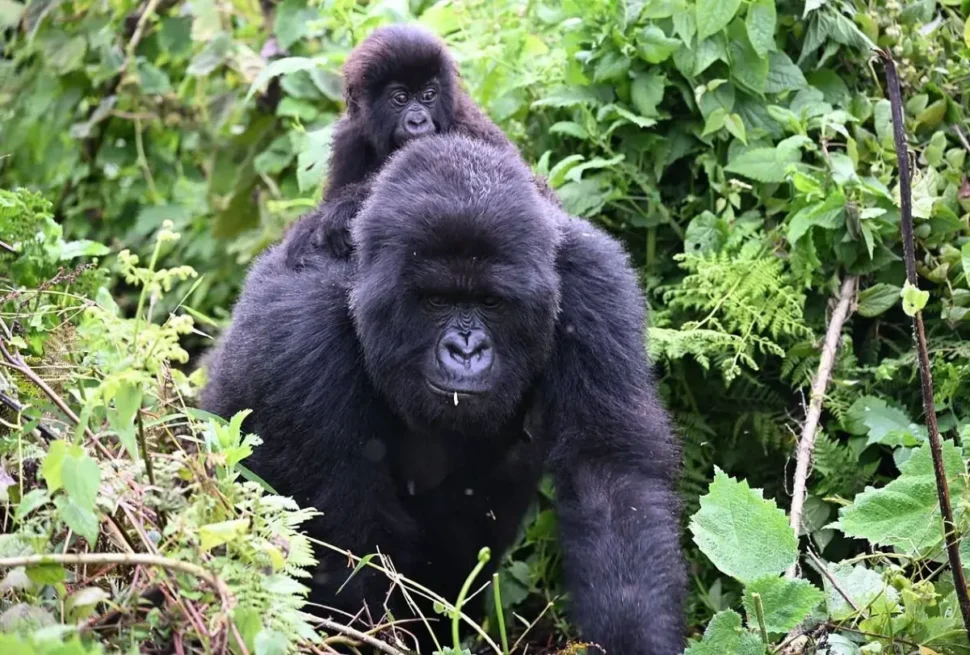
Uganda does not have an equivalent mass migration. Its safari strength lies in resident wildlife, river systems, birdlife and the ability to combine savannah game viewing with gorilla trekking in Bwindi or Mgahinga, and chimpanzee trekking in Kibale, Budongo or Kyambura Gorge.
For travelers comparing a Tanzania vs Uganda wildlife safari, this is the clearest trade-off: Tanzania offers one of the world’s great seasonal wildlife movements, while Uganda offers a wider mix of habitats and primate experiences in one country.
Landscapes and game-drive style
The Serengeti plains vs Uganda savannah parks comparison often comes down to how people like to safari.
In Serengeti, much of the pleasure comes from distance and drama. A guide may stop on a rise and scan for movement: antelope acting nervous, vultures circling, a lion pride spread in the shade, or a cheetah using a termite mound as a lookout. The open ground makes the action easier to read.
Uganda’s game drives are often more textured. In Murchison Falls, drives across the northern bank may include giraffes, elephants, kob, buffalo and views toward the Nile. In Queen Elizabeth, the route can move from crater views to open Kasenyi plains, then later to a boat safari on the Kazinga Channel. In Kidepo, the valleys open wide, with mountains framing the horizon and fewer vehicles in many seasons.
For families, Uganda’s combination of shorter wildlife sessions, boat trips and varied scenery can work very well. Serengeti can involve longer drives between areas, especially if following migration routes, but it rewards patient wildlife watchers.
Boat safaris give Uganda a clear difference
Serengeti is mainly a game-drive destination. Water is important for wildlife, but standard safaris focus on vehicle-based viewing.
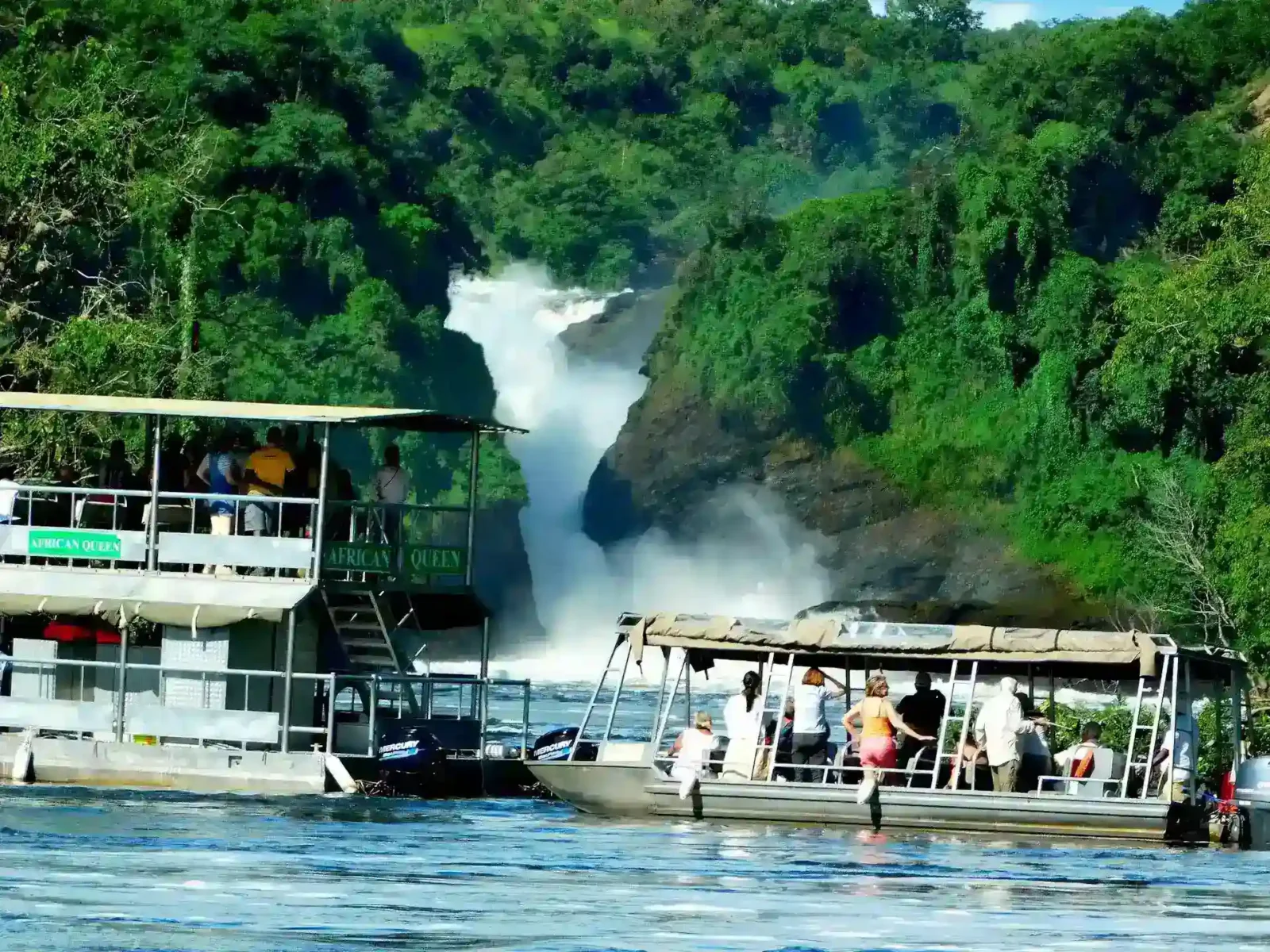
Uganda adds another layer through boat safaris. The Kazinga Channel in Queen Elizabeth is one of the most reliable places in East Africa to see dense concentrations of hippos, waterbirds, crocodiles, elephants and buffalo along the shore. Murchison Falls offers Nile boat trips toward the falls and, on some routes, toward the delta area where birders may search for shoebill in suitable wetlands.
Boat safaris are especially good for:
- Families who want a calmer break from bumpy tracks
- Photographers looking for low-angle shots of animals near water
- Birders who want kingfishers, fish eagles, herons, bee-eaters and wetland species
- Travelers who have already done several traditional game drives elsewhere
Photography opportunities
For wildlife photography, Serengeti is excellent for clean backgrounds, big skies and animal behavior on open ground. It is one of the better East African parks for photographing lions, cheetahs and migration herds, especially when a guide knows how to position the vehicle without crowding animals.
Uganda gives photographers more variety in a single trip. Queen Elizabeth offers channel wildlife and crater scenery. Murchison Falls adds river action, giraffes and dramatic Nile viewpoints. Kidepo gives space, dry-country light and strong environmental images, especially when wildlife is set against hills and valleys.
Photographers should think beyond species lists. Serengeti often wins for classic predator and migration images. Uganda often wins for mixed portfolios that include savannah mammals, river scenes, birds and primates.
Accommodation and route planning
Serengeti has a wide range of accommodation, from mobile migration camps to high-end lodges and simpler camps outside key zones. Prices can rise sharply in peak migration areas and premium concessions. It also takes planning to match a camp location with the season, because the migration shifts across a large ecosystem.
Uganda’s accommodation is also broad, though the luxury footprint is generally smaller in some areas. Murchison Falls and Queen Elizabeth have good mid-range and higher-end options. Kidepo has fewer choices because of its remote location, so early planning helps.
A practical Serengeti route often links Arusha, Tarangire, Ngorongoro and Serengeti. A practical Uganda route might link Entebbe, Murchison Falls, Kibale, Queen Elizabeth, Bwindi and Lake Mburo, with Kidepo added for travelers who have more time or want a wilder northern extension.
Travel costs and value
In general, a northern Tanzania safari that includes Serengeti can cost more than a Uganda savannah itinerary of similar comfort. Reasons include high-demand migration areas, longer distances inside the Serengeti, premium camp locations and park-related costs. Fly-in options add convenience but raise the budget.
Uganda can offer strong value, especially when the trip combines wildlife with primates. Gorilla permits and chimpanzee permits add a major cost, but they also add experiences that Tanzania’s Serengeti route does not provide. For many repeat safari travelers, a Uganda itinerary gives better overall value because one journey can include lions, elephants, buffalo, hippos, chimpanzees and mountain gorillas.
That does not make Uganda “cheaper” in every case. A high-end Uganda trip with gorilla trekking, domestic flights and top lodges can cost more than a simpler Tanzania safari. The right comparison is comfort level, travel style, park combination and season.
Which safari suits which traveler?
| Traveler type | Serengeti may suit best when | Uganda savannah parks may suit best when |
| First-time safari travelers | The priority is open plains, big cats and the migration | The priority is variety, boat safaris and primates |
| Families | Children are comfortable with longer road transfers and game drives | Boat trips, mixed activities and shorter wildlife sessions are useful |
| Photographers | Predator behavior, migration herds and clean plains are the goal | River wildlife, birds, landscapes and primates matter too |
| Repeat visitors | They want to time a specific migration season | They want less familiar parks and a broader wildlife mix |
| Birders | They want savannah species alongside mammals | Wetlands, forests, rivers and savannahs can be combined |
For a classic Serengeti vs Uganda safari, the deciding point is usually this: Serengeti is more specialized and iconic for plains wildlife, while Uganda is more varied across habitats and activities.
Best time to visit
The Serengeti is productive year-round, but the best area changes with the migration and rain. Dry months from June to October are popular for general game viewing and northern migration routes. The southern plains often become important from December to March when conditions support calving. April and May can be rainy, but the park is greener and less crowded in many areas.
Uganda’s savannah parks are also year-round destinations. Drier periods, often from December to February and June to September, usually make tracks easier and can draw animals toward water sources. Green seasons can be rewarding for birding, scenery and lower visitor numbers, though some roads may be slower after rain.
Kidepo’s remote roads and dry-country setting need careful seasonal planning. Murchison and Queen Elizabeth are more commonly included in standard Uganda circuits and pair well with chimpanzee or gorilla trekking plans.
No month guarantees a specific sighting. Good guiding, enough time in the field and choosing the right habitat matter as much as the calendar.
FAQs about Serengeti and Uganda wildlife safaris
Is Serengeti better than Uganda for seeing big cats?
Serengeti is generally stronger for open-plains predator viewing, especially lions and cheetahs. Uganda also has lions, leopards and hyenas in its savannah parks, but sightings can be more habitat-dependent.
Can Uganda match the Serengeti Great Migration?
No. Uganda does not have a comparable wildebeest migration. Its strength is resident wildlife, boat safaris, birdlife and the option to add gorilla or chimpanzee trekking.
Which is better for a first safari, Serengeti or Uganda?
Serengeti suits travelers who want the classic open-plains safari with high predator potential. Uganda suits travelers who want a broader itinerary with savannah wildlife, rivers, forests and primates.
Are Uganda’s savannah parks good for families?
Yes. Murchison Falls and Queen Elizabeth can work well for families because boat safaris add variety and reduce time spent only in a vehicle. Age limits apply for gorilla and chimpanzee trekking, so itinerary design matters.
Is Kidepo Valley worth the extra travel time?
Kidepo is worth it for travelers who want remote scenery, fewer crowds and distinctive dry-country wildlife. It is less convenient than Murchison or Queen Elizabeth, so it fits best into longer Uganda safaris.
When should I visit the Serengeti for the migration?
The migration moves with rainfall. Southern Serengeti is often best around December to March, while western, central and northern areas become important later in the year. A safari planner should match dates with the most suitable region.
When does Uganda offer better value than Tanzania?
Uganda often offers better value when the goal is a mixed trip with savannah wildlife plus gorillas or chimpanzees. Tanzania may offer better value for travelers focused only on a short, classic plains safari, depending on season and lodge level.
The balanced choice
Choose Serengeti if the main goal is open grassland, big cat viewing and the chance to plan around the Great Migration. Choose Uganda’s savannah parks if the goal is variety: elephants by the Nile, hippos along the Kazinga Channel, lions in Queen Elizabeth, buffalo herds in Kidepo, and the option to add gorilla or chimpanzee trekking.
The best safari is the one that fits the season, budget and pace of travel. With enough time, combining both countries gives the broadest East African wildlife picture. If choosing one, let habitat guide the decision. The plains favor Serengeti. Rivers, forests and mixed savannah favor Uganda.