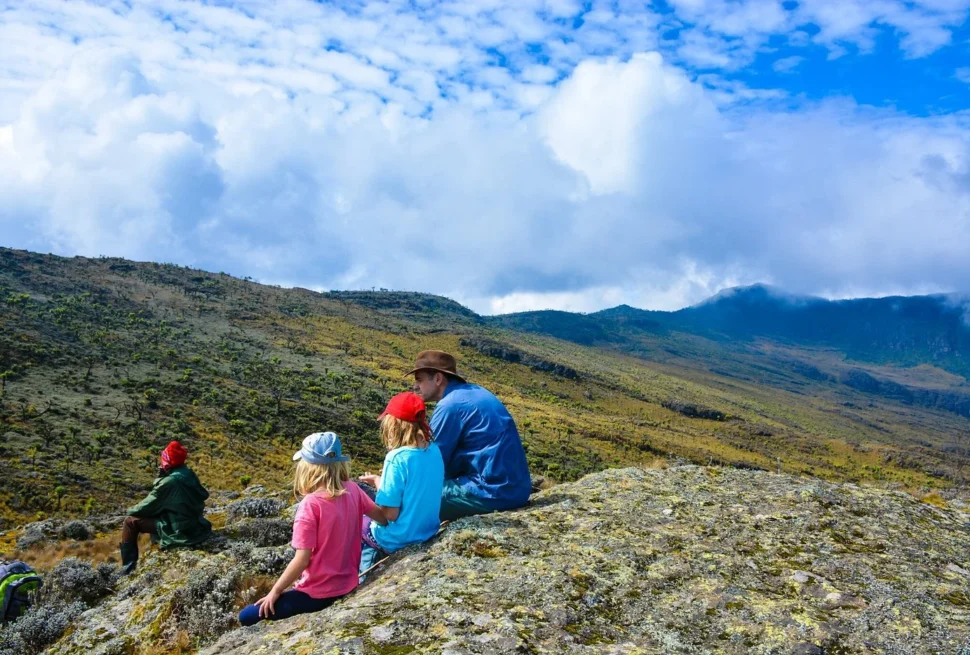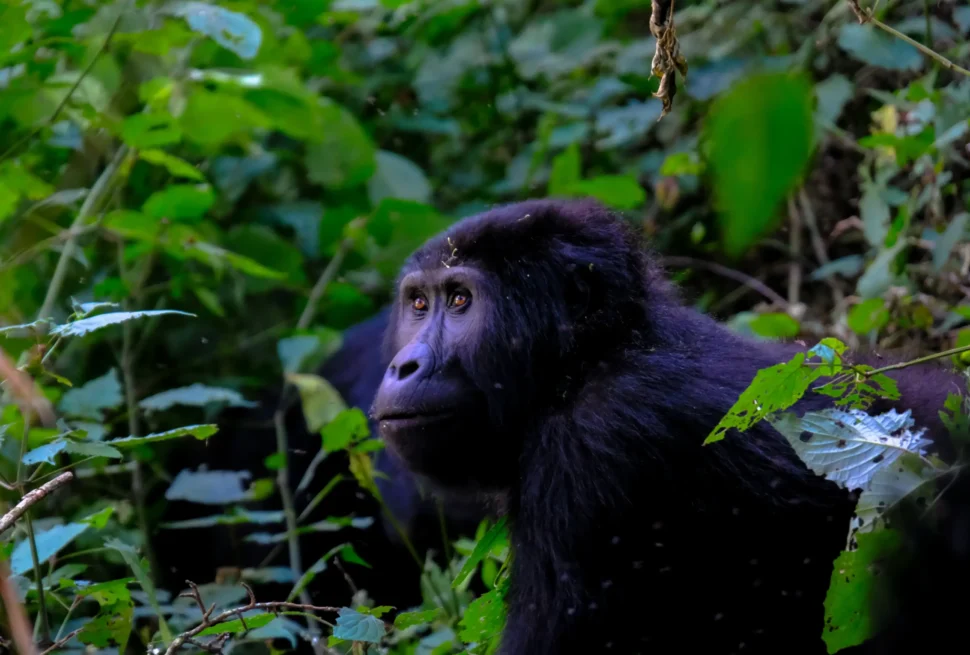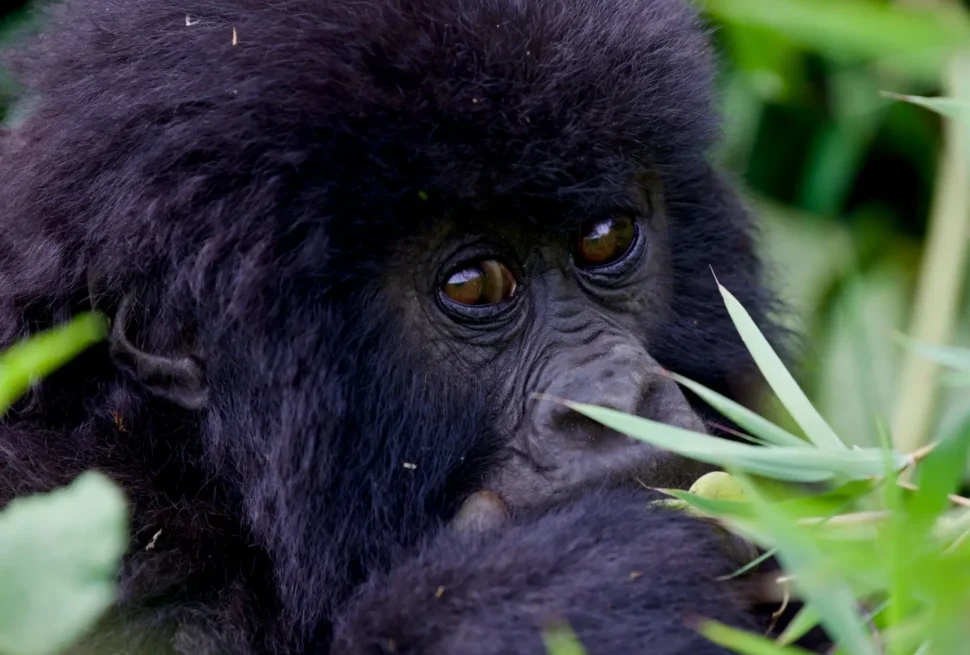
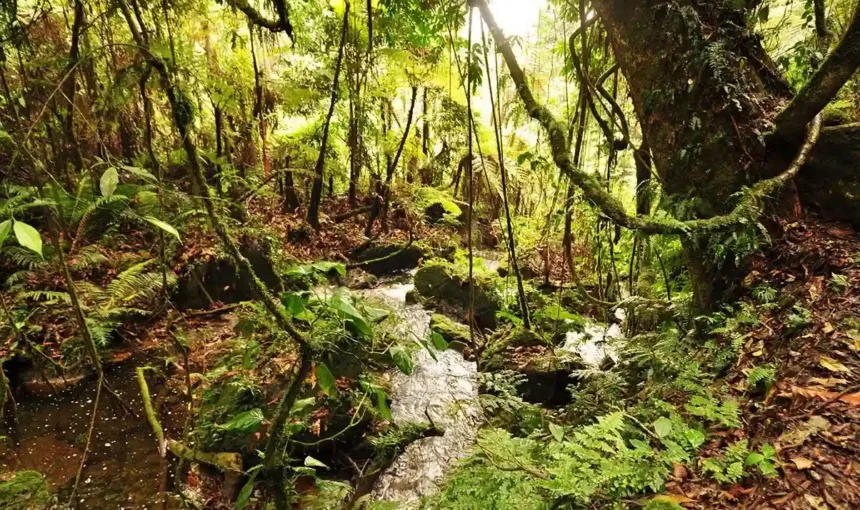
Bwindi Impenetrable National Park is not one single trekking experience. It has four main gorilla trekking sectors, and each one changes the trip. Buhoma is historic and accessible. Ruhija is cooler, quieter, and rich in birdlife. Rushaga gives more permit flexibility. Nkuringo is steep, scenic, and rewarding.
This Bwindi Trekking Sectors Guide Buhoma Ruhija Rushaga and Nkuringo Explored breaks down what each sector offers, how hard the treks can be, where to stay, and what to expect before booking.
What makes Bwindi trekking different
Bwindi Impenetrable National Park sits in southwestern Uganda, along the edge of the Albertine Rift. UNESCO lists it as a World Heritage Site because of its biodiversity. The park is famous for mountain gorillas, but it also protects forest elephants, chimpanzees, black-and-white colobus monkeys, L’Hoest’s monkeys, duikers, forest birds, butterflies, orchids, and rare trees.
Gorilla trekking is managed by the Uganda Wildlife Authority. Treks usually start with a briefing at the sector office. Rangers explain safety rules, assign groups, and guide visitors into the forest. Once a gorilla family is found, visitors normally spend one hour with the gorillas. Group sizes are limited to reduce stress on the animals.
The walk can be short or long. Gorillas move daily. Terrain changes fast. A trek may take a few hours, or it may take most of the day. Expect mud, roots, slopes, thick vegetation, and sudden rain.
Here is the quick sector comparison.
| Sector | Best for | Typical difficulty | Standout feature |
| Buhoma | First-time visitors and easier logistics | Easy to moderate, with harder days possible | Oldest trekking sector and strong community tourism |
| Ruhija | Birders and travelers seeking a quieter base | Moderate, with cool highland conditions | Access to Mubwindi Swamp and high-altitude forest |
| Rushaga | Permit choice and longer gorilla-focused stays | Moderate to hard | Many gorilla groups and habituation experience options |
| Nkuringo | Strong hikers and dramatic scenery | Hard | Steep terrain and views toward the Virunga volcanoes |
Buhoma is the classic starting point
Buhoma sits in the northern part of Bwindi. It was the first area in the park opened for gorilla trekking, and it remains one of the best-known sectors. The trailhead is well established, and the village has a long history of hosting trekkers.
Trekking routes and difficulty in Buhoma
Buhoma routes often begin through forested slopes near the park boundary. The terrain can be kinder than Nkuringo or parts of Rushaga, but no Bwindi route is guaranteed easy. Rain can turn paths slick. Gorillas can move uphill or deeper into the forest.
Buhoma is a good choice for travelers who want strong logistics and a classic trek. It also works well for itineraries that include Queen Elizabeth National Park, especially the Ishasha area, known for tree-climbing lions. Road conditions vary by season, but Buhoma often fits neatly into a western Uganda safari route.
The difficulty is usually easy to moderate by Bwindi standards. Porters are available, and hiring one helps with balance, bags, and local income.
Wildlife and biodiversity in Buhoma
Beyond gorillas, Buhoma has good forest walks. The Munyaga River Trail and waterfall walks can reveal monkeys, forest birds, butterflies, and medicinal plants. Birders may look for Albertine Rift endemics, though Ruhija often gets more attention for specialist birding.
Common sightings can include black-and-white colobus monkeys and red-tailed monkeys. Forest elephants are present in Bwindi, though sightings are rare due to the dense vegetation.
Places to stay in Buhoma
Buhoma has one of the widest accommodation ranges in Bwindi. Options usually include:
- Budget guesthouses and community camps
- Midrange lodges with forest views
- High-end lodges close to the park office
- Small properties with guided walks and cultural visits
Well-known properties in the area include Buhoma Community Rest Camp, Buhoma Lodge, Mahogany Springs, and Sanctuary Gorilla Forest Camp. Amenities vary, but many lodges provide meals, packed lunches, hot showers, boot cleaning, walking sticks, and help with porter arrangements.
Culture and community experiences in Buhoma
Buhoma has some of Bwindi’s strongest community tourism options. Visitors can join guided village walks, craft demonstrations, banana beer experiences, traditional dance visits, and community projects. The Batwa cultural experience is often offered near Bwindi, and it should be approached with respect. Choose operators who work with local communities and explain how fees support participants.
Buhoma is a good sector for travelers who want a full day beyond gorilla trekking without adding long drives.
Ruhija is quiet, cool, and excellent for birding
Ruhija lies on the eastern side of Bwindi at higher elevation. It feels cooler and less crowded than Buhoma. The road access can be rough, but the reward is a peaceful base with wide forest views.
Trekking routes and difficulty in Ruhija
Ruhija treks are usually moderate, but the altitude adds effort. The forest can be damp and chilly in the morning. Trails may cross slopes, ridgelines, and thick vegetation. Some routes can be long if the gorilla group has moved far.
This sector suits travelers who prefer a quieter trekking base and do not need a large village scene. It also works for visitors connecting between Buhoma, Kabale, and Lake Bunyonyi, depending on road conditions.
Wildlife and biodiversity in Ruhija
Ruhija is one of the best Bwindi sectors for birders. The famous Mubwindi Swamp Trail is a demanding birding route known for Albertine Rift species. Birders come here to search for species such as the African green broadbill, one of the region’s most sought-after birds.
The highland forest also supports monkeys, forest antelopes, and many butterflies. The air feels different here. It is cooler, mistier, and often quieter than the busier trekking points.
Places to stay in Ruhija
Accommodation in Ruhija is smaller in scale than Buhoma. Expect simple lodges, community-run stays, and midrange properties rather than a large hotel scene. Options may include forest cottages, bandas, small guesthouses, and lodges with fireplaces or warm dining rooms.
Common amenities include hot meals, packed lunches, tea and coffee, basic Wi-Fi where available, and help arranging transport to the trailhead. Because Ruhija is cooler, warm bedding matters. Ask about solar power, hot water reliability, and road access before booking.
Culture and community experiences in Ruhija
Ruhija offers community walks, school visits arranged through approved local channels, craft purchases, and village experiences. Birding guides from the area add real value because they know calls, feeding spots, and trail conditions.
The nearby Bakiga communities are known for farming on steep hillsides. A guided walk can explain how local households grow crops, keep livestock, and live beside a protected forest. Good community tourism here is small-scale and personal.
Rushaga gives the widest gorilla trekking choice
Rushaga is in southern Bwindi, not far from Kisoro and Lake Mutanda. It is one of the most active gorilla trekking sectors because it has several habituated gorilla groups. That often gives travelers more permit options than smaller sectors, though availability still changes by date.
Trekking routes and difficulty in Rushaga
Rushaga terrain ranges from moderate to hard. Trails can run through valleys, ridges, thick forest, and slippery slopes. Some treks are manageable for steady walkers. Others demand strong legs and patience.
Rushaga is a strong choice for travelers who build a trip around gorillas. It may offer more choice when permits in Buhoma or Nkuringo are sold out. It is also linked to the gorilla habituation experience, a longer and more specialized activity where visitors join researchers and rangers as they spend time with a gorilla group undergoing habituation. This experience has different rules and permit requirements from standard trekking, so book through official channels.
Wildlife and biodiversity in Rushaga
Rushaga offers rich gorilla viewing opportunities, but the forest is not only about gorillas. Trekkers may hear turacos calling above the canopy or spot monkeys moving through trees. The southern forest edge also gives access to scenic areas around Lake Mutanda, where birdlife and volcano views add variety before or after trekking.
The biodiversity is part of the wider Bwindi ecosystem. Dense forest, altitude changes, and old-growth vegetation create habitat for many species in a compact area.
Places to stay in Rushaga
Rushaga has grown quickly as a trekking base. Accommodation ranges from budget camps to comfortable lodges and higher-end retreats. Many properties sit on hillsides, so views can be excellent. Some overlook forest ridges, farms, and distant volcanoes.
Facilities often include restaurants, packed lunch service, fireplaces, laundry, boot cleaning, and transport support. Lodges may help arrange porters and walking sticks before the morning briefing.
Rushaga works well for travelers who want to stay two or more nights. It gives enough flexibility for a gorilla trek, a cultural visit, a community walk, or a Lake Mutanda excursion.
Culture and community experiences in Rushaga
Local experiences around Rushaga include village walks, craft markets, cooking demonstrations, canoe trips on Lake Mutanda, and visits to Batwa-led cultural programs. The best activities are guided by local residents and booked through clear community channels.
Rushaga also connects well with Kisoro, a town with markets, transport links, and access to Mgahinga Gorilla National Park. That makes it useful for longer trips through southwestern Uganda.
Nkuringo is steep, scenic, and worth the effort
Nkuringo sits on the southwestern edge of Bwindi. It is famous for tough trekking and big views. On clear days, the Virunga volcanoes rise in the distance. The sector feels remote and dramatic.
Trekking routes and difficulty in Nkuringo
Nkuringo is often described as the most physically demanding Bwindi sector. The reason is simple. Treks can involve steep descents into the forest and hard climbs back out. Wet trails make the challenge greater.
This sector suits fit hikers and travelers who want a strong sense of adventure. A porter is highly recommended. Walking poles help. So does a slower pace.
The reward is a wild, scenic trek with fewer distractions. Nkuringo also connects with walking routes toward Buhoma for travelers who want a guided hike across the forest instead of driving around it. That walk must be arranged with guides and proper planning.
Wildlife and biodiversity in Nkuringo
Nkuringo’s forest edge, high ridges, and deep valleys support classic Bwindi biodiversity. Gorilla encounters here can feel especially powerful because of the terrain. Trekkers may move through thick vegetation, then suddenly reach a slope where a gorilla family is feeding.
Birdlife is strong, and the wider area offers views across farms, forest, and volcanoes. The contrast between cultivated hills and protected forest shows why conservation and community involvement matter here.
Places to stay in Nkuringo
Nkuringo has several memorable lodges, many built to make the most of the views. Accommodation ranges from community lodges and midrange cottages to luxury properties such as Clouds Mountain Gorilla Lodge. Rooms often feature fireplaces, heavy blankets, terraces, and panoramic scenery.
Because nights can be cool, ask about heating, hot water, and power. Also confirm the distance to the briefing point. Some lodges are close enough for an easy morning transfer, while others require more planning.
Culture and community experiences in Nkuringo
Nkuringo has strong community tourism options. Guided walks can include farms, blacksmith visits, traditional dances, local food, and Batwa cultural interpretation. The Nkuringo walking route toward Buhoma is also a cultural and natural experience when planned with trained guides.
Community tourism here works best when it supports local guides, craft makers, and conservation-linked projects. Ask lodges how activities are run and who benefits.
How to choose the right Bwindi sector
The best sector depends on fitness, route, permit availability, and travel style. Use the sector to shape the trip, not the other way around.
Choose Buhoma if you want the classic trekking base, strong lodge choice, and easier links with Queen Elizabeth National Park.
Choose Ruhija if birding matters, cooler highland forest appeals, and a quieter stay sounds better than a busier village.
Choose Rushaga if permit flexibility is a priority, or if the gorilla habituation experience is part of the plan.
Choose Nkuringo if you are fit, enjoy steep hikes, and want some of the best views around Bwindi.
If trekking difficulty is a concern, tell the rangers during the morning briefing. They often consider age, fitness, and group needs when assigning trekking parties, though gorilla locations still control the final route.
Best times to visit Bwindi
Bwindi can be visited year-round. It is a rainforest, so rain can fall in any month. The driest periods are usually June to August and December to February. These months often bring better trail conditions and are popular for gorilla trekking.
The wetter periods, often around March to May and September to November, can mean muddier trails and harder driving. They can also bring lush forest, fewer visitors, and good birding activity.
Book early for peak months. Gorilla permits are limited, and popular sectors can sell out.
What to pack and how to prepare
Pack for wet forest, not just warm Africa. Bwindi sits at altitude, and mornings can be cold.
Bring:
- Waterproof hiking boots with strong grip
- Long trousers and a long-sleeved shirt
- Lightweight rain jacket or poncho
- Garden gloves for gripping vines and branches
- Warm layer for early starts
- Refillable water bottle
- Packed lunch from the lodge
- Insect repellent
- Camera with quiet settings and no flash
- Small daypack with a waterproof cover
A porter is worth the cost. Porters carry bags, help on steep sections, and earn income from conservation tourism. Many are from communities around the park, and some are former forest resource users whose livelihoods now support protection.
Fitness helps, but pacing matters more. Walk slowly. Tell the guide if you need a break. Drink water before thirst becomes a problem.
What to expect on trekking day
The day starts early. Most lodges provide breakfast and a packed lunch before the briefing. At the park office, rangers explain rules. Visitors are placed into small groups, then set off with armed ranger escorts and trackers.
Rules protect both people and gorillas. Keep the required distance when instructed. Do not trek when sick. Avoid sudden movements. Keep voices low. Do not use flash photography. Follow the ranger’s directions at all times.
The moment with the gorillas can be calm, intense, or both. A silverback may sit quietly while juveniles play nearby. A mother may feed while an infant clings to her. The forest can be thick, so clear views are never guaranteed. That is part of the experience.
After one hour, the group leaves the gorillas and treks back. Some days end before lunch. Others finish late in the afternoon.
Bwindi rewards preparation. Pick the sector that fits the wider route, train for hills, pack for rain, and leave room for community experiences. Buhoma, Ruhija, Rushaga, and Nkuringo all lead into the same ancient forest, but each one tells a different story.