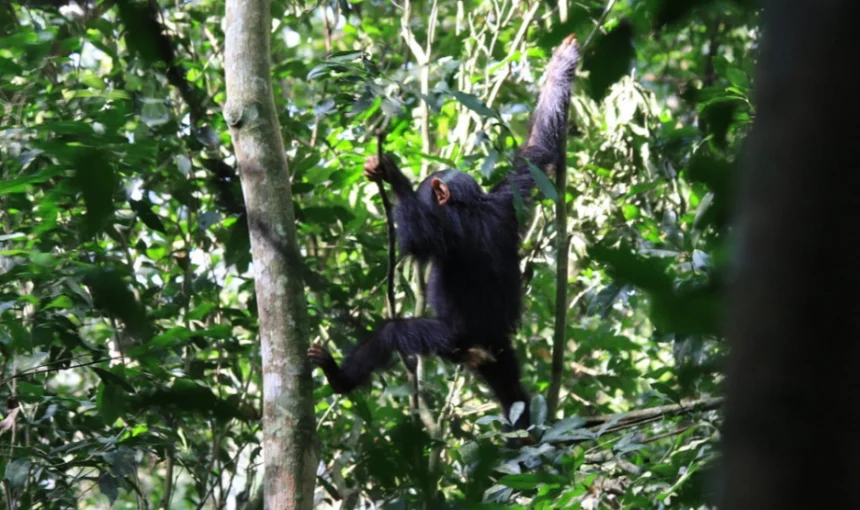
Kibale National Park is a rainforest, and rainforests do not dress for anyone’s schedule. A morning can begin cool and misty, turn humid by mid-trail, then end with a muddy walk back after a passing shower. The right clothing makes the difference between focusing on chimpanzee calls in the canopy and thinking about wet socks, scratched legs, or overheated layers.
Chimpanzee tracking in Kibale usually means walking forest trails with a ranger guide, sometimes at an easy pace and sometimes faster when the chimpanzees are moving. The forest floor can be slick, roots cross the paths, and vegetation can brush against arms and legs. Clothing should do three things well: protect skin, handle sweat, and cope with changing weather.
Choose breathable clothes that still protect your skin
Kibale sits in western Uganda near the equator, and its tropical forest climate means warmth, humidity, and frequent rain. Cotton may feel comfortable at the lodge, but it holds moisture once wet. On a humid trail, that can leave clothes heavy, clammy, and slow to dry.
Better choices include lightweight synthetic fabrics, merino wool blends, or quick-dry hiking shirts. These fabrics pull moisture away from the skin and dry faster after sweat or light rain. A long-sleeved shirt is often better than a T-shirt because it gives more protection from insects, sun patches, and scratchy plants.
For trousers, wear lightweight hiking pants rather than shorts. Long trousers help protect against nettles, mud splashes, and insects. If the fabric has a little stretch, it will feel more comfortable when stepping over roots or climbing gentle slopes.
Good trail clothing for Kibale includes:
- A long-sleeved quick-dry shirt
- Lightweight hiking trousers
- A breathable base layer for cooler mornings
- A fleece or light insulating layer
- A waterproof rain jacket
- Moisture-wicking socks
Neutral colors are a smart choice. Olive, khaki, grey, and brown blend well with the forest and show mud less than pale clothing. Many safari guides also recommend avoiding bright colors and dark blue or black, which can attract some biting insects in parts of East Africa.
Wear sturdy footwear made for mud and uneven ground
Footwear matters more than almost anything else on a chimpanzee tracking day. Kibale’s trails can be damp even when it has not rained recently, because the forest canopy traps moisture and shaded ground dries slowly. After rain, clay sections can become slippery.
Choose sturdy hiking boots or trail shoes with good grip. Ankle support is useful if you are not used to walking on uneven ground, especially where roots and wet leaves hide small dips in the trail. Waterproof boots can help in mud, but they should still be breathable enough for warm conditions.
Avoid new boots unless they have already been broken in. A blister that starts in the first hour can make the rest of the walk miserable. Wear the socks planned for the trek during a practice walk before traveling.
A solid footwear setup includes:
- Hiking boots or grippy trail shoes
- Thick, moisture-wicking socks
- Gaiters if conditions are muddy
- A spare pair of socks in the daypack
Gaiters are not essential for everyone, but they help keep mud, ants, and small forest debris out of shoes. They are especially useful during rainy months or after overnight showers.
Dress in layers for Kibale’s changing weather
Layering is the easiest way to stay comfortable when the forest changes mood. Early starts can feel cool, especially before the sun reaches the trails. Once walking begins, humidity rises fast. Then rain can arrive with little warning.
A good layering system is simple:
| Layer | What to wear | Why it helps |
| Base layer | Quick-dry shirt or light merino top | Moves sweat away from skin |
| Mid layer | Thin fleece or lightweight warm layer | Adds warmth during cool starts |
| Outer layer | Packable rain jacket | Blocks rain and wind on exposed sections |
The outer layer should be waterproof, not just water-resistant. A light poncho can work in a downpour, but it may catch on vegetation. A fitted rain jacket is usually easier to move in on forest trails.
Do not overdress at the start. If the morning is cool, begin with a fleece that can be removed once walking warms the body. Pack layers near the top of the bag so they are easy to reach without unpacking everything on the trail.
Bring accessories that make the trek easier
Small items can make a big difference during chimpanzee tracking. The forest may be shaded, but open areas, road sections, and breaks near the trailhead can be bright. A hat and sunglasses help reduce glare and protect the face.
Insect repellent is also worth packing. Tropical forests support plenty of insect life, and exposed wrists, ankles, and necks are common bite areas. Use repellent according to the label, and reapply if sweat or rain reduces its effect. Some travelers also treat clothing with permethrin before the trip, following product instructions carefully.
Useful accessories include:
- Wide-brimmed hat or cap
- Sunglasses with good UV protection
- Insect repellent
- Light gardening or trekking gloves
- Small waterproof bag for phone and documents
- Reusable water bottle
- Compact daypack
- Face mask if current park guidance requires one near chimpanzees
Gloves are sometimes overlooked, but they can help when holding branches for balance or brushing past rough vegetation. They do not need to be heavy. Lightweight gloves with grip are enough.
Pack for rain without packing too much
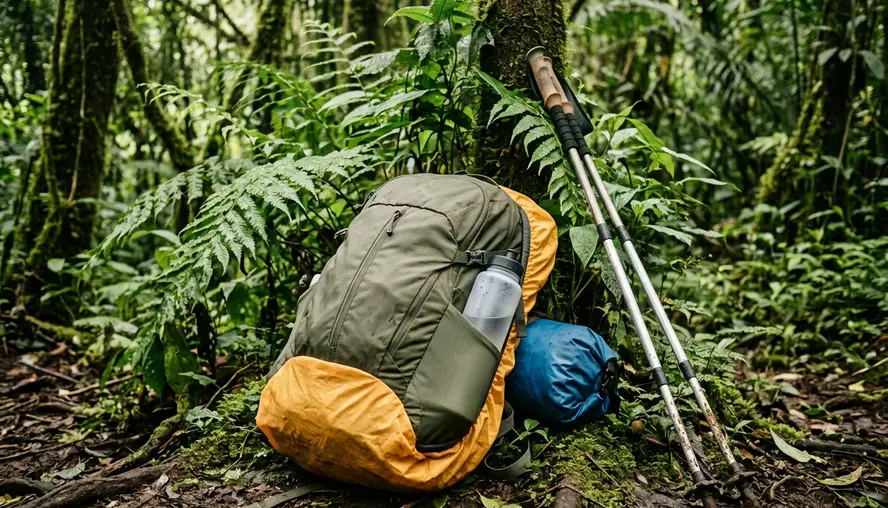
A chimpanzee tracking walk does not require expedition-level gear. The goal is to carry enough for comfort and safety without making the daypack heavy. A small waterproof cover for the backpack is helpful, especially for cameras, passports, and extra layers.
Keep the daypack practical. Water should be easy to reach, and rain gear should sit near the top. If carrying a camera, use a dry bag or padded waterproof insert. Rain can arrive quickly in Kibale, and forest humidity is not kind to electronics.
A simple daypack checklist might include:
- Rain jacket
- Spare socks
- Insect repellent
- Water
- Small snack if allowed by your guide
- Camera or binoculars
- Waterproof pouch
- Light fleece
- Any required permits or identification
Food rules can vary by activity and guide instructions, especially around wildlife. Follow the ranger’s briefing, keep snacks sealed, and never eat close to chimpanzees.
What to avoid wearing on the trail
Some clothing works against the conditions. Jeans are a poor choice because they absorb water, dry slowly, and restrict movement when damp. Sandals leave feet exposed to mud, insects, and roots. Short skirts, soft fashion sneakers, and heavy jackets also tend to create problems on rainforest trails.
Avoid:
- Denim
- Open shoes or sandals
- Heavy cotton sweatshirts
- Strong perfume or scented lotions
- Very bright white clothing
- Loose items that snag easily
Perfume may seem unrelated to clothing, but strong scents can attract insects and feel out of place in a wildlife setting. Keep toiletries simple and unscented where possible.
Dress for the forest, not the photo
The best outfit for Kibale is practical, quiet, and ready for weather. Wear breathable long sleeves, long hiking trousers, broken-in footwear, and a packable waterproof layer. Add a hat, sunglasses, insect repellent, and spare socks, and the day becomes much easier to enjoy.
Chimpanzee tracking is unpredictable in the best way. The forest may ask for patience, a muddy step, or a quick change of direction when calls echo through the trees. Dress for that adventure, and comfort will let the wildlife take center stage.