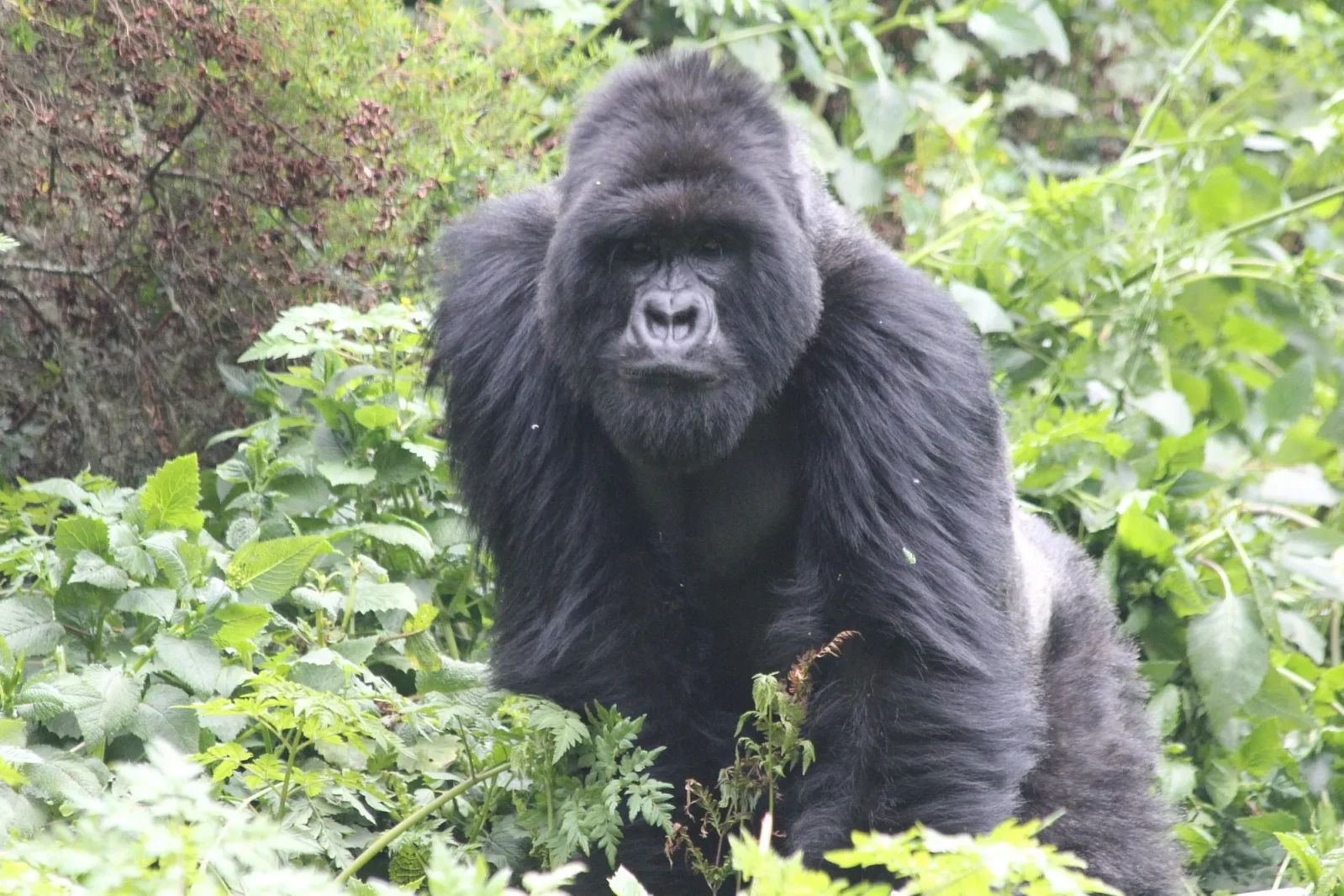
A rainforest path in eastern Congo can turn quiet in an instant. Leaves shift, a branch cracks, and a mountain gorilla appears through the green. Few wildlife encounters feel as intimate, or as fragile, as meeting one of the world’s most endangered great apes in its own forest.
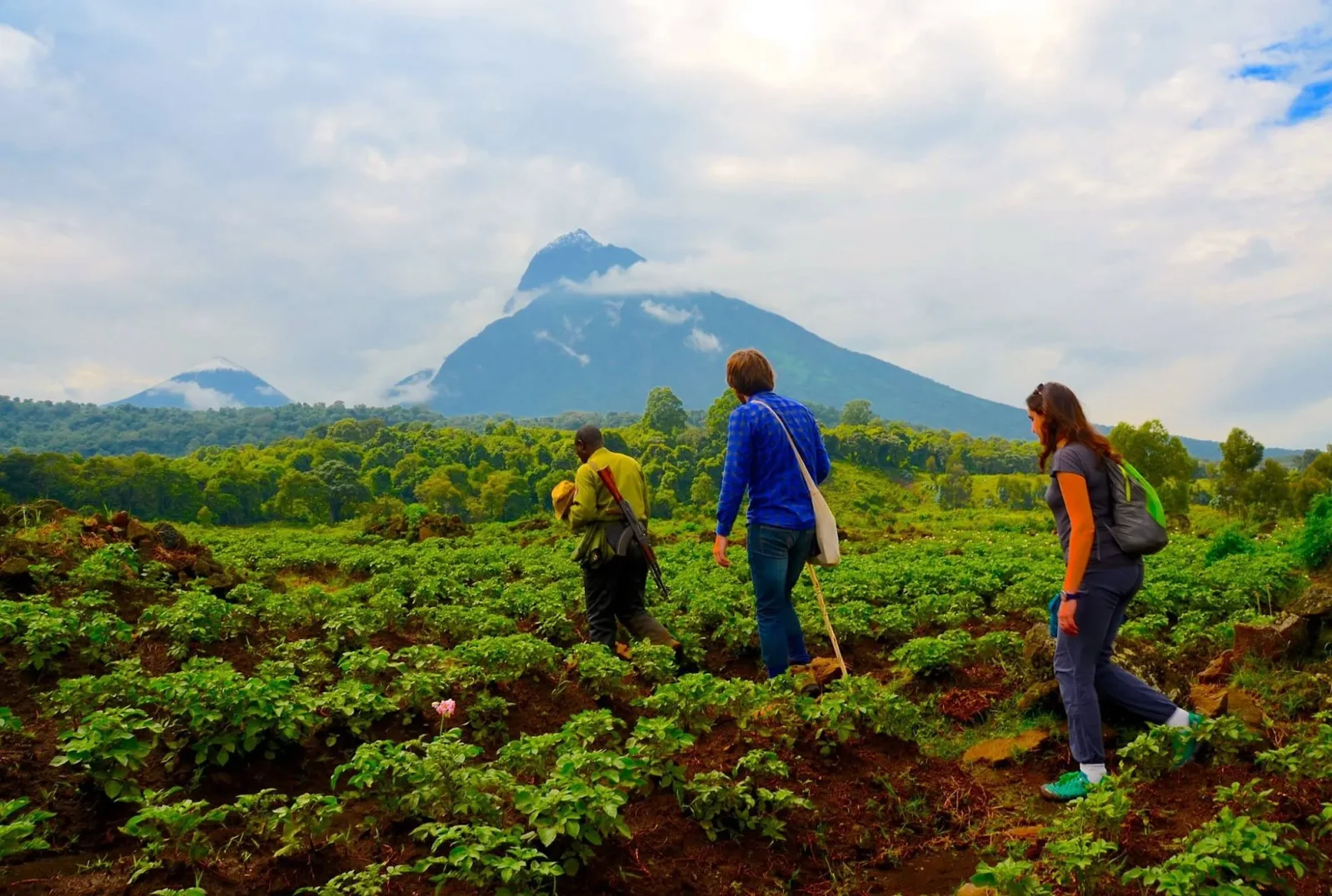
Virunga is not only a place to see gorillas. It is one of Africa’s most remarkable protected areas, a living mosaic of volcanoes, montane forests, savannas, wetlands, lava fields, and lakes. It sits in the Democratic Republic of Congo, along the borders with Rwanda and Uganda, at the heart of the Albertine Rift. For travelers searching for gorilla tours in Rwanda, Virunga offers important context. The gorillas do not recognize borders, and the future of this species depends on protection across the wider region.
This guide explores what makes Virunga National Park extraordinary, why mountain gorillas matter so much, what conservation teams are doing on the ground, and how visitors can travel in ways that help rather than harm.
Virunga is one of the most biodiverse places in Africa
Virunga was founded in 1925 and is widely known as Africa’s oldest national park. Its long history matters, but its variety is what makes it so rare.
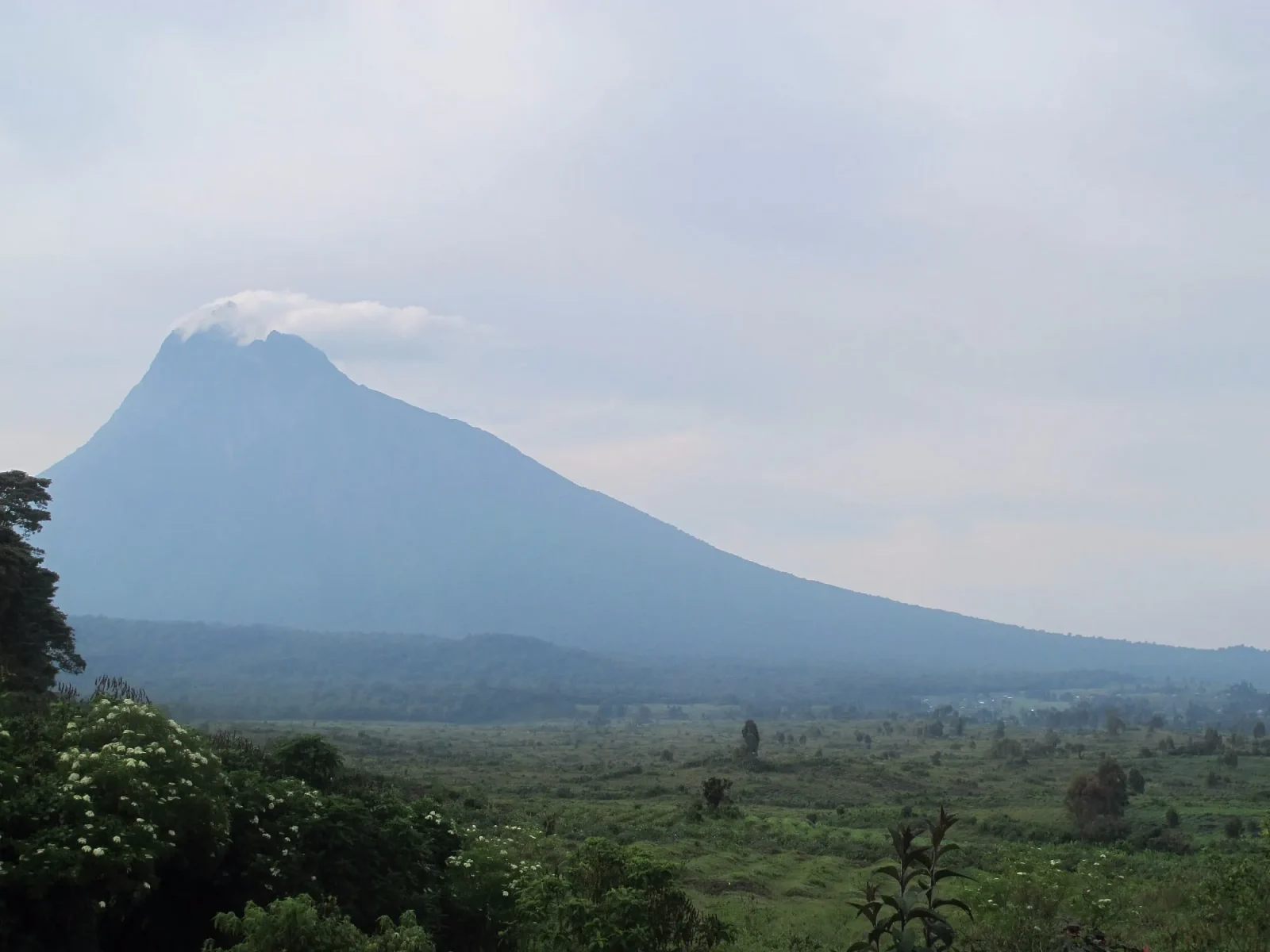
Within the park, landscapes change dramatically over short distances. Lowland forests give way to bamboo zones, alpine vegetation, open plains, papyrus wetlands, and volcanic slopes. This variety creates habitat for an impressive range of wildlife, including elephants, chimpanzees, hippos, buffalo, antelope, rare birds, reptiles, and countless smaller species that hold the ecosystem together.
The park also includes parts of the Virunga Mountains, a chain of volcanoes shared by the Democratic Republic of Congo, Rwanda, and Uganda. These mountains form one of the last strongholds for mountain gorillas, whose global range is limited to two main areas in Central and East Africa.
That small range makes every protected forest patch important. A disease outbreak, an armed conflict, a poaching incident, or a wave of habitat loss can affect a population that has very little room to move.
Mountain gorillas are the symbol of Virunga’s wild heart
Mountain gorillas are powerful animals, but their survival depends on delicate conditions. They need healthy forests, stable family groups, and protection from human pressure. They live in troops led by a dominant silverback, with females, juveniles, and infants forming close social bonds.
A gorilla trek is often described as a once-in-a-lifetime trip, but the most memorable part is not just size or strength. It is recognition. Gorillas groom, rest, play, feed, and watch with expressions that feel familiar. That shared closeness is part of why they inspire such strong conservation support.
The mountain gorillas of the Virunga region have survived against serious odds. Years of protection, veterinary care, ranger patrols, community work, and carefully managed tourism have helped their numbers recover over time. They are still endangered, but their story shows that conservation can work when local people, governments, scientists, and travelers support the same goal.
For anyone comparing Rwanda gorilla trekking, Uganda gorilla safaris, and Congo Gorilla Tours, the key point is this: each destination protects part of a shared natural heritage. Choosing responsibly matters more than checking a country off a list.
Conservation work in Virunga is brave and complex
Protecting Virunga is not simple. The park lies in a region that has faced armed conflict, poverty, displacement, and political instability. Conservation here is not only about guarding animals. It also means supporting people who live near the park and reducing pressure on natural resources.
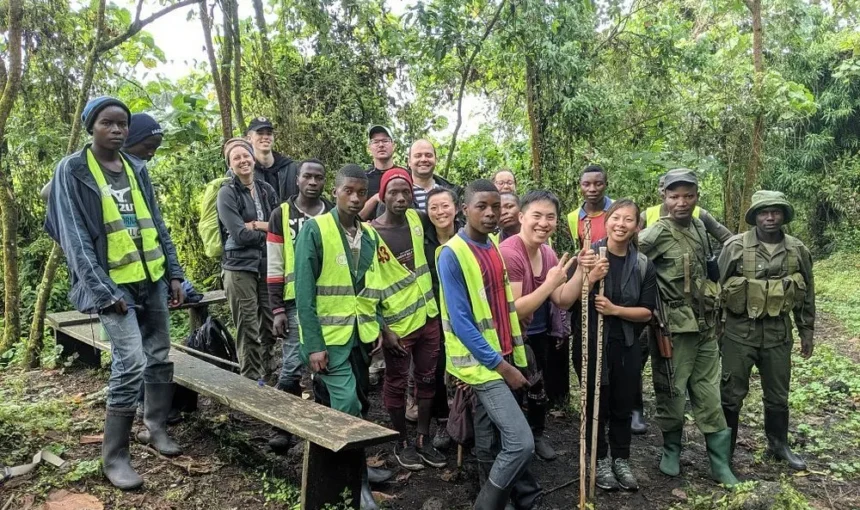
Rangers play a central role. They patrol forests, monitor wildlife, remove snares, respond to illegal activity, and guide permitted treks. Their work can be dangerous. Virunga’s rangers are often recognized for their courage, especially because they protect wildlife in conditions far harder than those in many better known safari destinations.
Conservation teams also work with veterinarians and researchers. Gorilla health monitoring is especially important because great apes can catch some human diseases. Habituated gorilla groups, meaning groups used to limited human presence, need careful rules to reduce stress and health risks.
Community partnerships are just as important. People living around the park need livelihoods, energy, education, and safety. If conservation ignores those needs, the pressure on forests increases. When communities benefit from tourism, jobs, farming support, conservation education, or sustainable energy projects, the park has stronger local support.
Protecting gorillas means protecting a whole ecosystem, and it also means respecting the people who live beside it.
Poaching and habitat loss still threaten the park
Virunga faces several serious threats, and they often connect to one another.
Poaching remains one of the most visible dangers. Gorillas are not usually the main target of bushmeat hunting, but snares set for other animals can injure or kill them. Larger wildlife, including antelope and other mammals, can be targeted for meat or trade. Every loss weakens the food web.
Habitat loss is another major concern. Farming, settlement pressure, charcoal production, and demand for land can push into forest edges. In places where people lack reliable income or energy options, forests become a survival resource. This is why conservation has to address daily human needs, not only wildlife protection.
Conflict makes everything harder. It can restrict ranger movement, shut down tourism, disrupt conservation projects, and put nearby communities at risk. Even when gorillas are not directly harmed, instability can reduce the steady monitoring they need.
Climate pressure adds another layer. Changing rainfall patterns and temperature shifts can affect plant growth, water systems, and the distribution of species. Mountain ecosystems are especially sensitive because wildlife has limited room to move uphill.
How gorilla tourism can help when it is done well
Gorilla tourism can be a powerful conservation tool. Permit fees, guide jobs, ranger support, lodging, transport, and local purchases can bring money into areas where wildlife protection needs long-term funding.
But gorilla tourism only helps when it is tightly managed. Too many visitors, careless behavior, or cheap trips that bypass community benefits can damage the very forests people came to see.
Responsible gorilla trekking usually includes:
- Limited time with gorillas, often around one hour once the group is found
- Small visitor groups to reduce stress on the animals
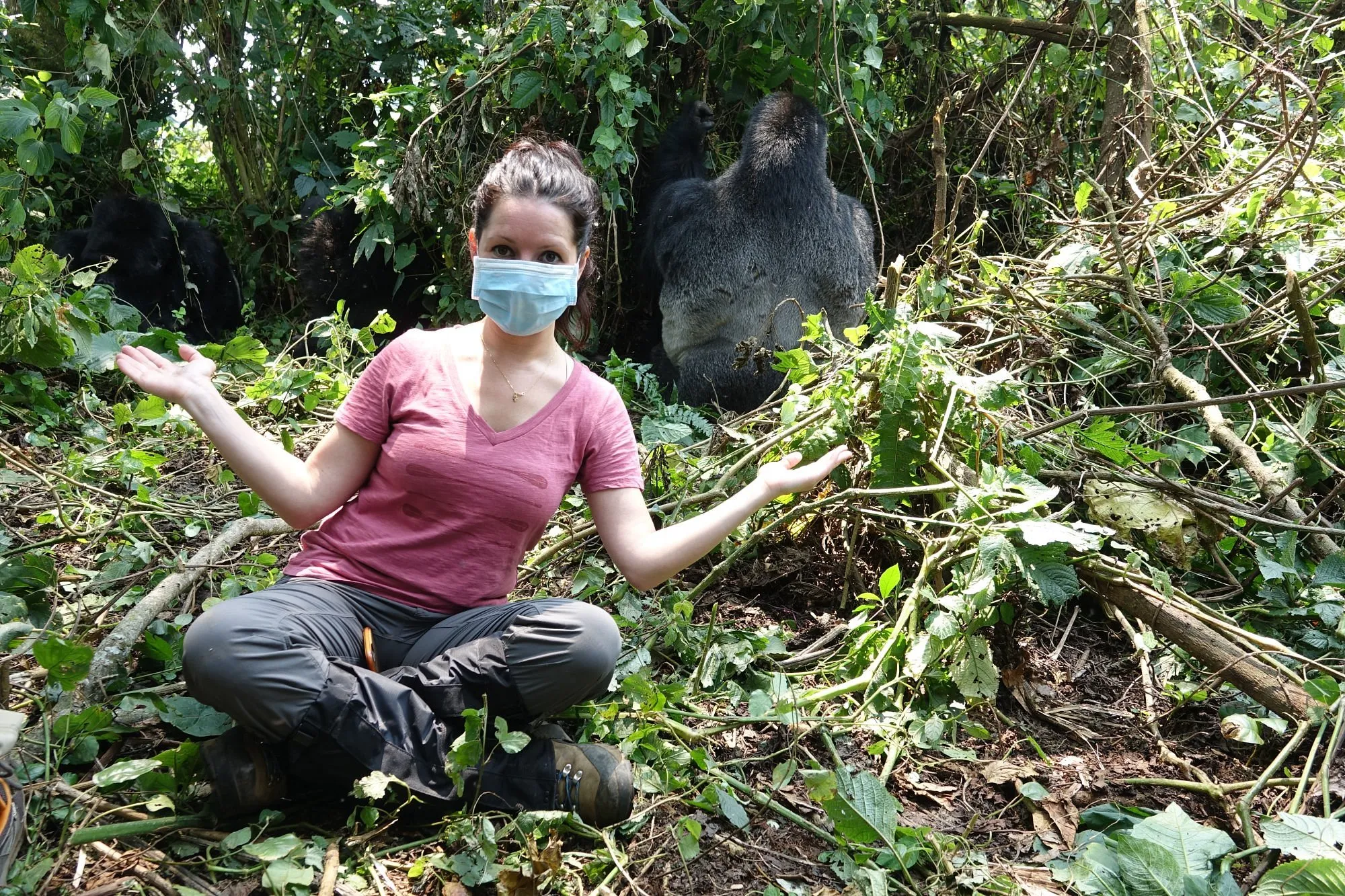
- Minimum distance rules, even if gorillas move closer on their own
- No trekking when ill, especially with cold or flu symptoms
- Quiet behavior in the forest
- No flash photography
- Following ranger and guide instructions at all times
Travelers searching for gorilla tours in Rwanda often choose Volcanoes National Park because Rwanda has strong tourism infrastructure and easier access for many routes. Virunga can appeal to travelers who want a wider conservation story, dramatic volcanic landscapes, and a connection to Congo’s natural heritage. Access and safety conditions can change, so any trip should be planned with current official guidance and authorized operators.
Practical tips for eco-friendly travel in Virunga and the region
A good wildlife trip starts before arrival. Eco-friendly travel is mostly about choices that reduce harm and increase local benefit.
Book through authorized operators
Use official park channels or trusted tour companies with permission to operate. This helps ensure permit money supports conservation and that guides follow strict wildlife rules.
Check safety and access before planning
Eastern Congo conditions can shift quickly. Review current travel advisories, park updates, border requirements, and operator guidance. If the park is closed or travel is not advised, choose another responsible gorilla destination in the region and support Virunga from afar.
Respect gorilla health rules
Do not trek if you are sick. Carry a mask if required or recommended. Keep distance, avoid eating near gorillas, and never leave tissues, food scraps, or packaging in the forest.
Pack light and low waste
Bring a refillable water bottle where safe refill options exist, reusable bags, biodegradable toiletries, and minimal plastic packaging. Pack out everything you bring in.
Hire local guides and porters
Porters reduce strain on trekkers, but they also turn tourism into local income. Hiring one is a simple way to support communities near the park. Tip fairly and respectfully.
Stay longer if conditions allow
Fast trips often send most money to transport rather than local places. A longer stay can support lodges, local food producers, guides, craft sellers, and community projects.
Avoid wildlife exploitation
Do not pay for photos with captive animals, buy wildlife products, or support activities that allow touching, feeding, or crowding wild animals.
Choose lower impact lodging
Look for lodges or camps that hire locally, manage waste carefully, reduce single-use plastic, use responsible energy sources, and support conservation or community work.
Ways visitors can support local communities
Conservation succeeds when nearby communities can see real benefits. Visitors have more influence than they may realize.
Buy locally made goods, especially from cooperatives or transparent community groups. Choose restaurants and lodges that source food from nearby farmers. Ask tour companies how they support local hiring, fair pay, and conservation education.
If donating, give to established conservation groups, ranger support programs, or vetted community projects. Avoid handing out gifts randomly to children, which can create dependency or tension. A better choice is to support schools, clinics, women-led cooperatives, or community funds through trusted channels.
Travelers can also support by telling a responsible story when they return home. Share why rules mattered. Explain why gorilla permits cost what they do. Talk about rangers, porters, and communities, not only the gorilla photo. Good tourism builds respect, not just memories.
Planning a responsible gorilla trip in the Great Lakes region
Virunga sits within a wider gorilla trekking circuit that includes Rwanda and Uganda. Each destination has its own character.
Rwanda’s Volcanoes National Park is often the easiest option for travelers who want a shorter transfer from Kigali and a well-established tourism system. Uganda’s Bwindi Impenetrable National Park and Mgahinga Gorilla National Park offer rich forest experiences and strong conservation value. Congo brings the powerful story of Virunga, with its volcanoes, forests, and complex conservation setting.
When comparing options, look beyond price and convenience. Ask these questions:
- Does the operator follow official permit rules?
- Are guides and porters local?
- How does the trip support conservation?
- What is the group size?
- What happens if conditions change?
- Are wildlife rules clearly explained before trekking?
A cheaper trip is not always better if it cuts corners. Gorilla trekking works because access is limited, monitored, and tied to conservation funding.
Why Virunga deserves global attention
Virunga is more than a travel destination. It is a refuge for endangered species, a source of water and ecological stability, and a place where conservation happens under real pressure. Its future affects gorillas, elephants, birds, forests, and the communities who live around its borders.
The park also reminds travelers that wildlife protection is not romantic from a distance. It involves rangers on patrol, families seeking livelihoods, scientists monitoring disease risk, and communities balancing daily needs with long-term conservation.
To visit well is to travel with humility. Follow the rules. Pay fair prices. Choose local support. Stay informed. If travel is not possible, support reputable conservation and community programs that keep the work going.
Virunga’s mountain gorillas are rare, but they are not beyond saving. Their survival depends on steady protection, responsible tourism, and a wider public that cares enough to act. The reward is not only the chance to see a gorilla in the forest. It is knowing that the forest still has a future.