Trekking through Uganda’s lush forests and capturing its incredible wildlife on camera is an unforgettable experience. To make the most of your adventure, having the right gear is essential. Uganda’s terrain and climate can be challenging, and wildlife photography requires careful preparation to protect both you and your equipment. This guide covers everything you need to pack, from clothing to camera gear, ensuring you stay comfortable, safe, and ready to capture stunning images.
Clothing Essentials for Trekking and Wildlife Photography
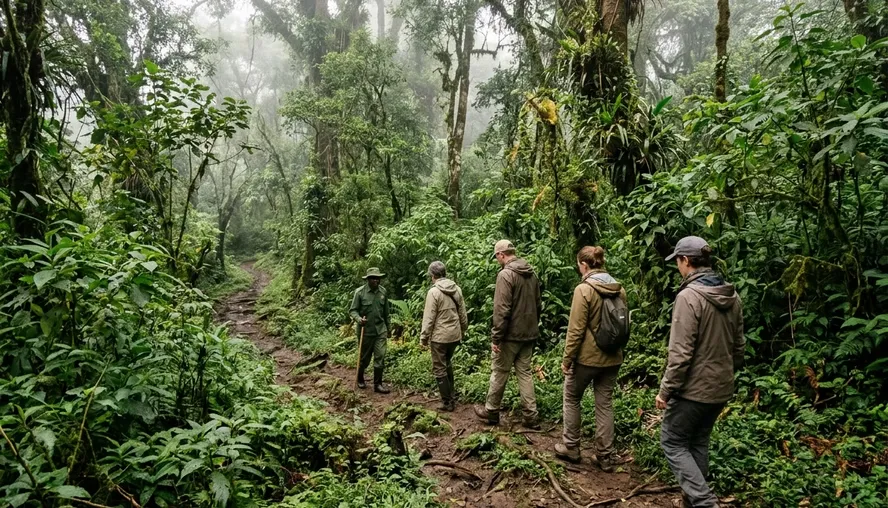
Choosing the right clothing helps you stay comfortable and protected during long hours outdoors. Uganda’s weather can be humid and rainy, and the forest environment demands durable, practical attire.
- Long-sleeve shirts
Pick lightweight, moisture-wicking fabrics that dry quickly and keep you cool. Long sleeves protect your arms from sunburn, insect bites, and scratches from branches.
- Trekking pants
Avoid jeans. Instead, wear thick, quick-dry trekking pants that resist tears and dry fast after rain or sweat. Pants with zip-off legs offer versatility for changing weather.
- Waterproof hiking boots
Choose boots with deep tread for grip on slippery trails and good ankle support to prevent injuries. Waterproof boots keep your feet dry during wet conditions.
- Gaiters or long socks
These protect your lower legs from safari ants and thorny underbrush. Gaiters are especially useful in dense forest areas.
- Heavy-duty gardening gloves
Gloves protect your hands when navigating through thick branches or handling thorny plants. They also help when setting up camera gear.
- Rain jacket or poncho
Sudden rain showers are common. A lightweight, waterproof jacket or poncho keeps you dry without adding bulk.
- Wide-brimmed hat
A hat shields your face and neck from the sun and falling debris like leaves or small twigs.
Gear and Supplies to Carry
Packing the right gear ensures you stay hydrated, energized, and prepared for the unexpected.
- Waterproof daypack
A sturdy, waterproof backpack protects your belongings from rain and humidity. Look for one with multiple compartments for easy organization.
- Walking stick
Available at park headquarters, a walking stick helps maintain balance on uneven trails and reduces fatigue during long treks.
- Refillable water bottle
Carry at least 2 to 3 liters of water. Staying hydrated is crucial, especially during strenuous hikes.
- High-calorie energy snacks
Pack snacks like nuts, energy bars, or dried fruit to keep your energy levels up between meals.
- Insect repellent with high DEET content
Mosquitoes and other insects are common in Uganda’s forests. Use a strong repellent to avoid bites and reduce the risk of insect-borne diseases.
- Sunscreen and sunglasses
Protect your skin and eyes from UV rays, especially when trekking in open areas or at higher altitudes.
Electronics and Important Documents
Your camera gear and documents need special care to ensure smooth photography sessions and hassle-free travel.
- Camera gear with zoom lens
A zoom lens lets you capture wildlife from a safe distance without disturbing animals. Bring extra batteries and memory cards to avoid missing shots.
- Waterproof dry bag
Protect your electronics from moisture and dust. A dry bag is essential for rainy conditions or river crossings.
- Important documents
Keep your passport, permits, and any park passes in a secure, waterproof pouch.
- Cash in small bills
Small bills are handy for tipping guides, porters, or paying for local services where card payments aren’t accepted.
Safety Note on Photography
When photographing wildlife in Uganda, avoid using flash. Flash photography can startle animals and disrupt their natural behavior. Many parks strictly prohibit flash to protect sensitive species, especially primates like gorillas. Use natural light and a steady hand or tripod to capture clear images without disturbing the animals.