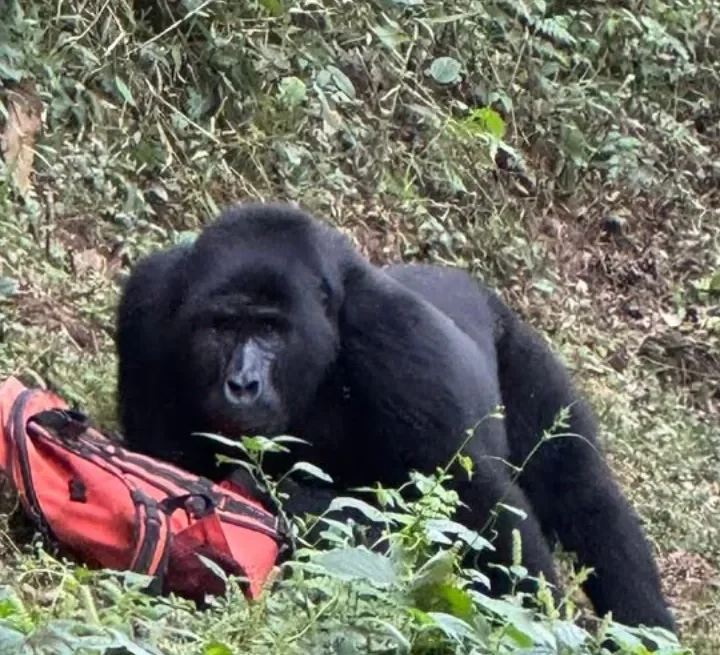
A gorilla trekking permit looks simple on paper. It gives one visitor the right to enter a protected forest, walk with trained guides, and spend a short, closely managed time near a gorilla family. But behind that one permit is a wider chain of impact: ranger salaries, community projects, forest patrols, local jobs, and a stronger reason to keep gorilla habitat standing.
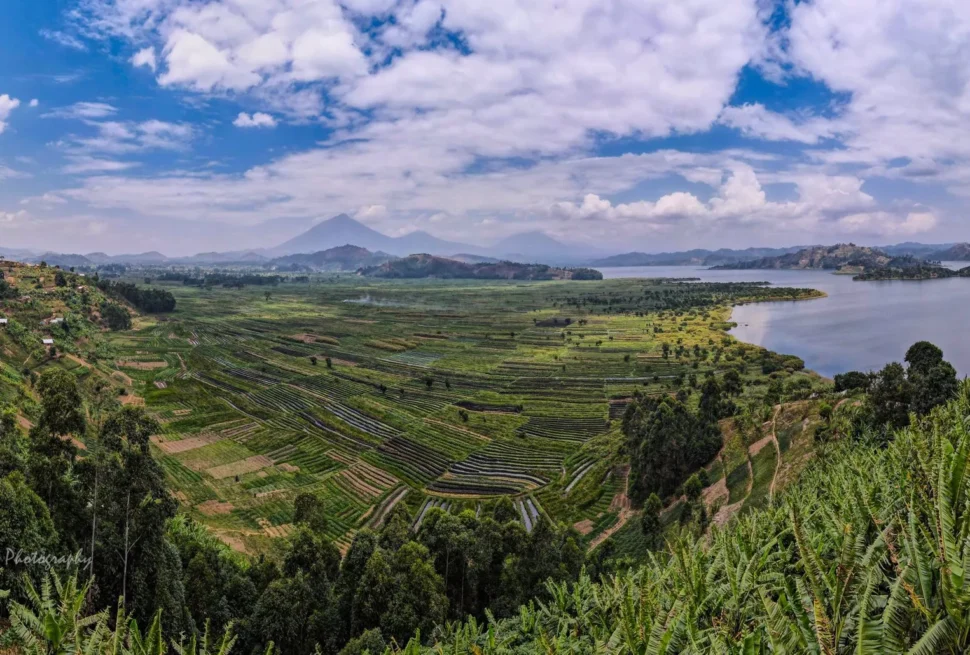
Mountain gorillas live in a small part of East and Central Africa, mainly across protected areas in Uganda, Rwanda, and the Democratic Republic of the Congo. Their survival depends on intact forests, careful tourism rules, and the support of people who live near the parks. Trekking permits help connect all three.
When managed well, gorilla tourism does more than fund wildlife viewing. It turns conservation into a source of local value. That matters because communities living beside gorilla habitat often carry the day-to-day costs of conservation, from crop damage to limits on forest access. Permit revenue helps balance those costs with real benefits.
A gorilla trekking permit is a conservation funding tool
Gorilla trekking is intentionally limited. Only a small number of visitors can track each habituated gorilla group per day, and visits are kept short. These rules protect gorillas from stress, crowding, and disease risk. They also make each permit valuable.
The permit fee usually supports several layers of conservation and community work, including:
- Park management and ranger operations
- Gorilla monitoring and protection
- Trail maintenance and visitor safety
- Local revenue-sharing programs
- Community livelihoods linked to tourism
- Education and conservation outreach
That structure is one reason gorilla trekking is often described as a high-value, low-volume tourism model. The goal is not to bring as many visitors as possible into the forest. The goal is to bring enough carefully managed visitors to fund protection while keeping pressure on gorillas and their habitat low.
A permit is not just permission to see gorillas. It is one of the main ways protected forests pay for the people and systems that keep gorillas safe.
This model works best when communities can see clear, fair benefits. If local people only experience restrictions, conservation becomes hard to defend. If permit revenue helps fund schools, jobs, clinics, clean water, and local enterprise, protecting the forest becomes part of a shared future.
How permit revenue benefits nearby communities
Communities around gorilla parks benefit from permit-funded tourism in both direct and indirect ways. Some benefits come through formal revenue-sharing programs. Others come through jobs and businesses that grow around trekking.
Revenue sharing supports local services
Many gorilla destinations set aside a portion of tourism income for communities living near protected areas. The details differ by country and park authority, but the purpose is similar: return some of the value of tourism to the people who help protect the habitat.
These funds often support practical community needs such as:
- Classroom construction and school materials
- Health centers and maternity services
- Clean water systems, tanks, and pipes
- Footbridges and local roads
- Community halls and market facilities
- Support for vulnerable households
These are not side benefits. They are central to long-term conservation. A village that sees permit income help build a water tank or improve a school has a more visible reason to support the park. Conservation becomes less abstract. It becomes something people can point to.
Trekking creates local jobs
Permit-funded tourism also creates work. Guides, trackers, porters, drivers, cooks, lodge staff, craft sellers, cultural performers, farmers, and construction workers can all earn income because visitors come to see gorillas.
Porter programs are especially important. Hiring a porter helps trekkers carry bags and move safely on steep, muddy trails. For local residents, porter work can provide income in areas where formal jobs may be limited. In some communities, former hunters or people who once depended on forest resources have become trackers, porters, or conservation educators.
That shift matters. When tourism income replaces activities that harm the forest, conservation gains local defenders.
Local businesses grow around responsible tourism
Gorilla trekking permits bring visitors, and visitors need places to sleep, eat, travel, and buy supplies. Well-run lodges often buy produce from nearby farms, employ local staff, and support craft cooperatives. Community-owned or community-partnered tourism projects can keep more income close to the park.
This does not happen automatically. Tourism can leak money away from local people if outside operators control most of the supply chain. But when park authorities, tour operators, lodges, and communities work together, permit-driven tourism can support a wider local economy.
Conservation projects funded by permit sales
Permit revenue helps pay for the daily work of protecting gorillas. Some of this work is visible to visitors, such as guides leading treks. Much of it happens quietly before and after tourists enter the forest.
Ranger patrols and anti-poaching work
Rangers are the backbone of gorilla conservation. They patrol forests, remove snares, monitor illegal activity, and respond to threats. Although gorillas are rarely the intended target of snares, they can be injured by traps set for other animals. Patrols reduce that risk.
Permit revenue helps support ranger salaries, equipment, training, and field operations. It also helps maintain ranger posts, trails, radios, and safety systems. In remote forests, these basics make a real difference.
Gorilla monitoring and health protection
Habituated gorilla families are monitored regularly. Trackers and conservation staff learn their movements, watch for injuries, and notice changes in behavior. This helps teams respond quickly when a gorilla is sick, caught in a snare, or pushed into conflict areas.
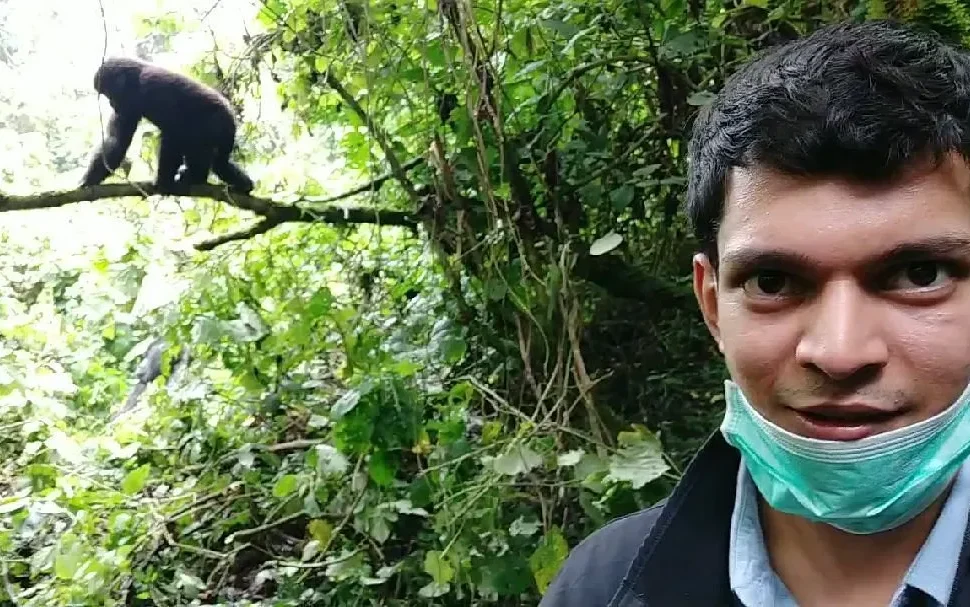
Permit systems also fund strict visitor rules. Trekkers are asked to keep distance, limit time with gorillas, wear masks in some locations, and stay away if ill. These rules protect gorillas from human-borne diseases, which can be dangerous for great apes.
Habitat restoration and boundary protection
Gorillas need connected forest. Permit revenue can support tree planting, boundary marking, trail maintenance, and restoration of degraded areas. Around some parks, conservation programs work with local residents to plant native trees, stabilize slopes, and reduce pressure on protected forest.
Boundary work also helps reduce conflict. Clear park edges make it easier for farmers, rangers, and local leaders to resolve disputes. In some places, trenches, buffer crops, or community patrols help keep wildlife away from farms while keeping people out of risky forest zones.
Community livelihoods that reduce pressure on forests
Permit-funded community programs often support livelihoods that do not depend on cutting trees or entering protected areas. These can include:
- Beekeeping projects that provide income and encourage forest-friendly practices
- Craft cooperatives that sell baskets, carvings, and textiles to visitors
- Sustainable farming programs that improve yields on existing land
- Tree nurseries that provide fuelwood or fruit trees outside the park
- Community tourism experiences led by local residents
These projects protect habitat by reducing the need to use park resources. They also give families more income options, which makes conservation more resilient during hard times.
Community voices show what conservation looks like on the ground
Stories from communities near gorilla parks often share a common theme: conservation becomes easier to support when it improves daily life.
A porter near a gorilla trekking area in Uganda might describe the work as more than a day wage. Carrying a visitor’s backpack can help pay school fees, buy food, or support a small farm. Many porters also become informal conservation ambassadors. They explain why visitors should follow distance rules, avoid littering, and respect the forest.
One community guide in the region has told versions of a story heard in many park-edge villages: before tourism, forest protection felt like a rule imposed from outside. After local people began earning from guiding, crafts, and lodge work, the forest became a source of pride and income. The gorillas were no longer only “park animals.” They became part of the community’s future.
A member of a women’s craft group near a trekking route might put it simply: when visitors buy handmade baskets after their trek, the money stays in the village. That income can help pay for cooking oil, books, uniforms, or medical care. Each sale also strengthens the link between conservation and dignity.
These examples are representative, not isolated. Across gorilla destinations, the strongest conservation results often appear where local people are not treated as bystanders. They are guides, trackers, farmers, artists, lodge owners, educators, and decision-makers.
Community conservation works best when the people closest to the forest share in both responsibility and reward.
Sustainable tourism protects gorilla habitats
Gorilla trekking can only support conservation if it stays sustainable. Too many visitors, poor behavior, weak health rules, or unfair benefit-sharing can damage the very habitats tourism depends on.
Sustainable gorilla tourism rests on several principles.
Visitor numbers must remain limited
Small trekking groups reduce stress on gorillas and limit damage to trails and vegetation. Visitor limits also help guides manage behavior in the forest. A calm, quiet group is safer for gorillas and more meaningful for visitors.
Health rules must be taken seriously
Gorillas are closely related to humans and can catch some human illnesses. A mild cold for a visitor could be a serious risk for a gorilla family. Responsible trekking programs ask sick visitors not to trek, maintain distance rules, and follow hygiene guidance.
This can feel disappointing in the moment, especially for someone who traveled far. But it is one of the most important ways tourism protects gorillas.
Communities must receive fair benefits
If revenue does not reach local communities, support for conservation can weaken. Sustainable tourism needs transparent systems, local hiring, fair wages, and real community input. People living beside gorilla parks should not only bear the costs of conservation. They should share in its gains.
Tour operators must act responsibly
Travel companies and lodges shape how tourism money moves. Responsible operators hire local staff, pay fair rates, follow park rules, reduce waste, conserve water, and buy from nearby suppliers when possible. They also prepare visitors before the trek, which makes the forest experience safer and more respectful.
How travelers can support conservation through their choices
A gorilla trekking permit is already a major contribution, but travelers can increase their positive impact by making careful choices before, during, and after the trek.
Choose licensed operators and official permits. This helps ensure money flows through the correct conservation systems.
Hire a porter even if the trek seems manageable. Porter fees and tips often support households directly.
Stay in lodges with strong local hiring and community links. Ask how they source food, manage waste, and support nearby villages.
Follow every trekking rule. Keep distance, lower your voice, avoid flash photography, and never trek if sick.
Buy local crafts respectfully. Pay fair prices and choose items made by community groups rather than wildlife products or forest materials taken illegally.
Tip thoughtfully where tipping is accepted. Guides, trackers, porters, and lodge staff often support extended families.
Support conservation groups that work with local communities. The most effective programs often combine wildlife protection with education, healthcare, livelihoods, or land restoration.
Small decisions add up. A traveler who respects permit rules, hires local support, and spends money with community-based enterprises helps make gorilla conservation more valuable than habitat destruction.
FAQ
Why are gorilla trekking permits expensive?
Permits are priced to limit visitor numbers and fund conservation. The fee helps pay for park management, ranger patrols, gorilla monitoring, tourism infrastructure, and community revenue-sharing programs.
Does permit money really reach local communities?
In many gorilla destinations, a portion of tourism revenue supports nearby communities through formal projects such as schools, clinics, water systems, roads, and livelihood programs. The exact system depends on the country and park authority.
How do permits help protect gorillas from poaching?
Permit revenue helps fund ranger patrols, snare removal, monitoring teams, and community programs that reduce reliance on illegal forest activities. Local tourism jobs can also make living gorillas more valuable than activities that harm wildlife.
Is gorilla trekking harmful to gorillas?
It can be harmful if poorly managed. Responsible trekking uses strict rules, including limited group sizes, short viewing times, distance requirements, and health precautions. These rules reduce stress and disease risk.
What is the best way to make a gorilla trek more ethical?
Use official permits, follow all park rules, hire local porters, choose responsible lodges and operators, and support community-run projects. Ethical trekking respects both gorillas and the people who live beside their habitat.
The future of gorilla conservation depends on shared value
Gorilla trekking permits do far more than open a trail into the forest. They help pay for the rangers who protect gorillas, the trackers who monitor family groups, the schools and water projects that build local support, and the livelihoods that reduce pressure on fragile habitat.
The model is not perfect, and it needs constant care. Revenue must be transparent. Benefits must reach communities fairly. Visitor rules must remain strict. Tourism must never put gorillas at risk for the sake of convenience.
When handled responsibly, gorilla trekking creates a powerful link between awe and action. A visitor’s hour with a gorilla family can help fund years of protection for the forest they call home. That is the promise of sustainable tourism: not just seeing wildlife, but helping it survive.