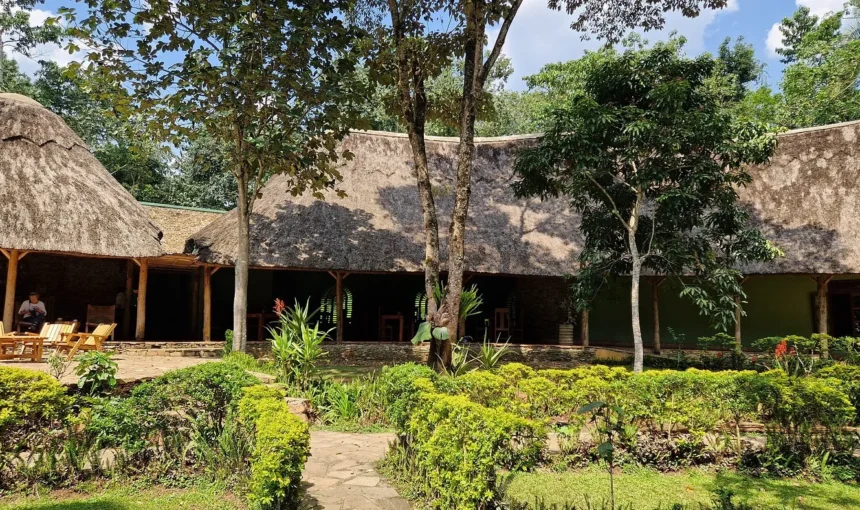
Primate tourism can protect forests, or it can damage the very habitats people travel to see. The difference often comes down to how a lodge is built, run, and connected to its neighbors.
The best eco-lodges reduce pressure on fragile places. They use less energy and water. They manage waste before it reaches rivers or forest edges. They also help local communities earn from conservation, not forest clearing or wildlife trade.
Why eco-lodges matter for primate conservation
Many primates live in forests under pressure from farming, logging, roads, and illegal hunting. The International Union for Conservation of Nature has warned that most primate species face some level of extinction risk, with habitat loss among the main threats.
Tourism will not solve that alone. Poorly managed tourism can add stress through noise, crowding, litter, trail erosion, and disease risk. Great apes are especially vulnerable to human respiratory illness, which is why gorilla and chimpanzee tourism usually follows strict rules on distance, group size, and time limits.
Eco-lodges help when they support those rules instead of treating them as afterthoughts. A responsible lodge prepares guests before treks. It works with trained guides. It keeps food waste away from wildlife. It also limits its physical footprint near forest boundaries.
This is the core test of sustainable primate tourism. The trip should leave money, jobs, and conservation value behind, not a larger environmental burden.
Waste systems keep forests and wildlife safer
Waste management sounds basic. In forest tourism, it is conservation.
Food scraps attract monkeys, baboons, rodents, and other animals. Once wildlife links people with food, conflict rises. Animals may raid kitchens, approach guests, or change their natural feeding behavior. Plastic waste adds another risk. It can move into streams, nesting areas, and feeding grounds.
Strong eco-lodges use clear systems:
- Separate waste at the source Kitchens, guest rooms, and staff areas sort organic waste, recyclables, glass, and landfill waste.
- Compost food waste safely Composting can reduce landfill use, but it must be enclosed or managed away from wildlife paths.
- Avoid single-use plastics Refill stations, reusable bottles, bulk soap dispensers, and packed lunches in reusable containers cut waste fast.
- Treat wastewater Septic systems, constructed wetlands, or other treatment methods keep sewage out of streams.
Bwindi Lodge near Uganda’s Bwindi Impenetrable National Park is often cited for linking hospitality with local conservation work. The area supports mountain gorillas, an endangered great ape. Lodges around Bwindi that support waste controls, local guiding, and community projects reduce pressure on the park edge, where people and wildlife live close together.
Energy conservation lowers the footprint of remote travel
Many primate destinations sit far from national grids. Diesel generators have long been common in remote lodges. They are noisy, expensive to run, and fuel transport adds emissions and spill risk.
Eco-lodges cut that impact with practical design. Solar panels are common. So are solar hot water systems, LED lighting, natural ventilation, shaded buildings, and battery storage. Some lodges limit high-energy appliances or run power during set hours.
Good building design matters as much as technology. Raised walkways reduce soil compaction. Local materials can lower transport impacts when sourced legally and responsibly. Rainwater harvesting can reduce pressure on local water supplies.
Lapa Rios Lodge in Costa Rica shows how private tourism land can support wildlife habitat. The lodge sits within a large private rainforest reserve on the Osa Peninsula, a region known for high biodiversity. Guests may see howler monkeys, spider monkeys, capuchins, and squirrel monkeys in surrounding forest. The reserve model helps keep forest standing in a country where ecotourism has become a major reason to protect natural areas.
The lesson is simple. A lodge that uses less power, disturbs less land, and protects forest cover gives primates more space to live.
Community engagement makes conservation last
A lodge can have solar panels and still fail local people. That is not sustainable.
Communities near primate habitats often carry the cost of conservation. They may lose access to land, crops may be damaged by wildlife, and park rules may limit traditional resource use. If tourism revenue bypasses them, resentment grows. If tourism supports jobs, schools, health care, clean water, and local businesses, conservation gains stronger support.
Sabyinyo Silverback Lodge in Rwanda is a strong example. It sits near Volcanoes National Park, home to mountain gorillas. The lodge is owned by a community trust, the Sabyinyo Community Livelihood Association. Through that model, lease fees and related income have supported local development projects. The lodge also creates jobs and demand for local goods and services.
Rwanda’s gorilla tourism system is widely known for linking high-value permits with conservation funding and community revenue sharing. The model is not perfect, and access can be expensive. Still, it shows that primate tourism can fund park protection when rules are enforced and communities receive clear benefits.
Eco-lodges can protect habitat beyond park borders
Primate conservation cannot stop at park signs. Many species move through buffer zones, private land, and community forests. Eco-lodges can help protect those edges.
They do this by restoring native plants, removing invasive species, funding ranger programs, and buying land for conservation. Some support wildlife corridors, which help animals move between forest patches. Corridors matter because isolated primate groups face higher risks from inbreeding, food shortages, and conflict with people.
In Laos, The Gibbon Experience links tourism with forest patrols in the Nam Kan area. Visitors stay in treehouses and move by zipline through forest canopy. The project is known for connecting tourism revenue with protection of habitat used by black-crested gibbons, one of the world’s most threatened apes. The model is unusual, but the principle is useful: tourism income can support patrols and forest value when the operation is tied to conservation goals.
In Costa Rica, rainforest lodges near protected areas often support reforestation with native trees. That can improve habitat for monkeys and birds while reducing erosion in steep, wet terrain.
What responsible travelers should look for
Not every lodge with “eco” in its name follows strong practices. Ask direct questions before booking.
Look for lodges that can explain:
- How they manage sewage, compost, recycling, and plastics
- Where their energy comes from
- Whether they employ local staff in skilled roles
- How local communities earn from the lodge
- Whether guides follow primate viewing rules
- How the lodge supports habitat protection or restoration
- Whether wildlife is never fed, touched, baited, or handled for photos
Also check whether the lodge follows park rules on illness. If guests are sick, they should not join great ape treks. This protects animals from human disease. The IUCN great ape tourism guidelines and many park authorities stress distance, limited viewing time, and strict hygiene.
The best trips leave forests stronger
Eco-lodges do their best work when they treat conservation as daily practice. Waste stays out of rivers. Energy use drops. Local people earn from protecting wildlife. Guests learn how to watch primates without changing their behavior.
The positive effects can be real. Mountain gorilla tourism has helped fund protection in Rwanda and Uganda. Private reserves in Costa Rica have kept rainforest standing for monkeys and many other species. Community-owned lodge models have turned wildlife from a local burden into a shared asset.
Responsible travel starts before the booking is made. Choose lodges that publish clear practices, respect park rules, and invest in nearby communities. A good primate encounter should feel rare, quiet, and carefully managed. That is how tourism can help keep forests alive.