Amboseli National Park is one of Kenya’s most iconic safari destinations, famous for huge elephant herds, open plains, and clear views of Mount Kilimanjaro. It sits in southern Kenya near the Tanzania border, within a wider ecosystem shaped by wetlands, dry lake beds, savannah, and Maasai community lands.
For many travelers, Amboseli delivers the classic East African safari image: elephants walking across golden grass with Africa’s tallest mountain in the background.
Quick summary
- Best known for
Large elephant herds and Mount Kilimanjaro views - Location
Southern Kenya, in Kajiado County near the Tanzania border
- Best time to visit
June to October and January to February for drier conditions and easier wildlife viewing - Top activities
Game drives, Observation Hill, birdwatching, photography, and cultural visits
- Best for
First-time safari travelers, photographers, families, and anyone combining Kenya Tours with a wider safari route - Typical stay
2 to 3 nights is enough for most visitors, though photographers may want longer
Why Amboseli is unique
Amboseli is not Kenya’s largest park, but it is one of the most recognizable. The protected area covers about 392 square kilometers, according to commonly cited Kenya Wildlife Service park information, yet it forms part of a much larger cross-border ecosystem.
Its appeal comes from a rare combination of visibility, scenery, and wildlife behavior.
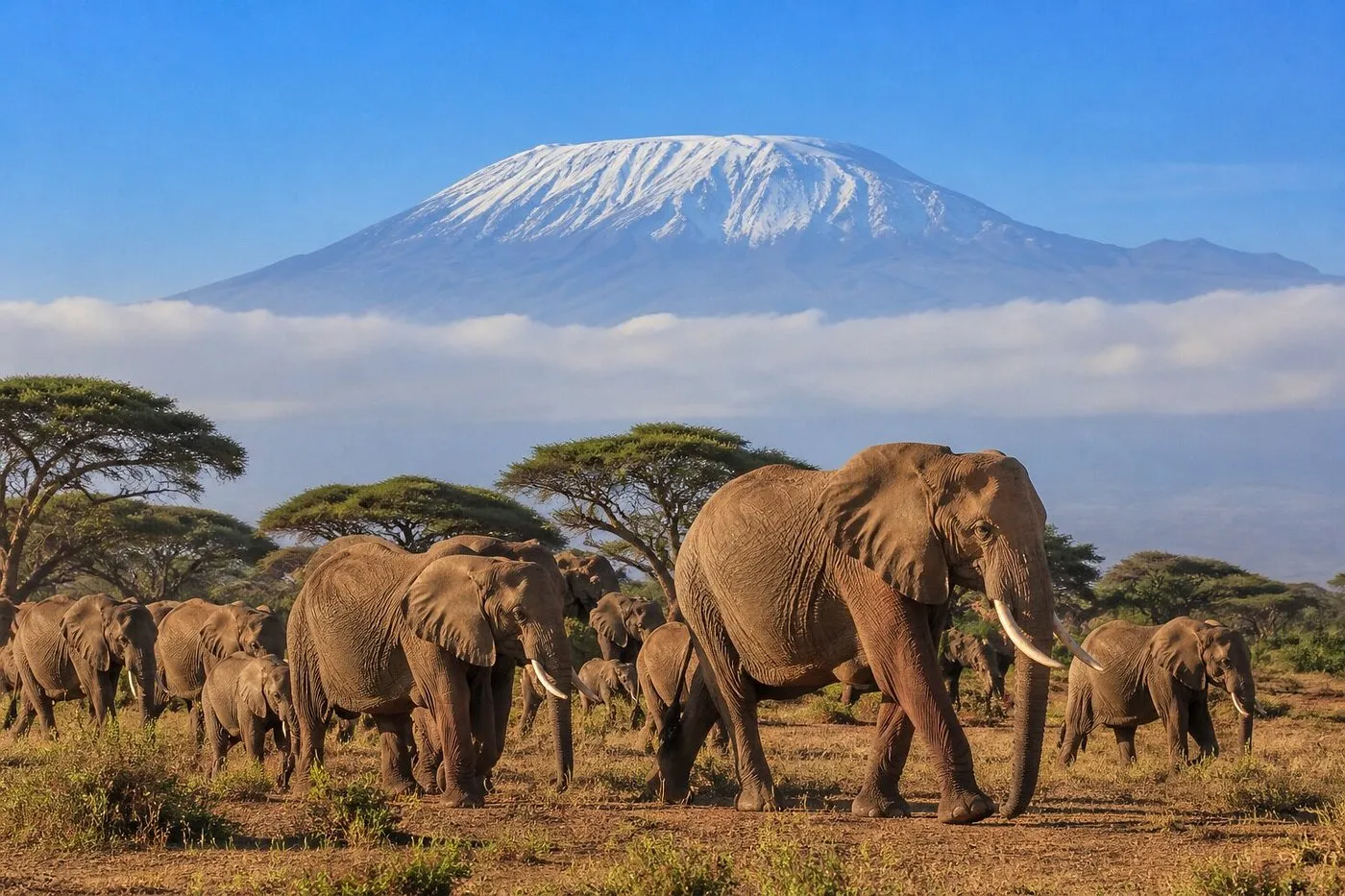
The elephants are the headline attraction
Amboseli is one of the best places in Africa to see elephants at close range. The park is especially known for family groups, large bulls, and long-lived individuals that have been studied for decades by elephant researchers in the Amboseli ecosystem.
The open terrain makes sightings easier than in thicker bush areas. On a good drive, elephants may be seen:
- Feeding in the wetlands
- Crossing dusty plains in family groups
- Walking against the Kilimanjaro skyline
- Gathering near marshes during dry months
This is why Amboseli often appears in brochures for Kenya Wildlife Safaris. Few parks offer such reliable elephant viewing in such a dramatic setting.
Kilimanjaro creates the famous backdrop
Mount Kilimanjaro is across the border in Tanzania, but Amboseli gives some of the best views of it. The mountain is often clearest early in the morning and late in the afternoon, before clouds build up.
For photographers, that timing matters. A sunrise game drive gives the best chance of catching elephants, soft light, dust, and Kilimanjaro in one frame.
Wetlands make the park productive
Amboseli can look dry at first glance, especially around the dusty lake bed. Yet underground water from Kilimanjaro feeds swamps and springs inside the park. These wetlands attract wildlife even when surrounding areas are dry.
They support animals such as:
- Elephants
- Buffalo
- Hippos
- Zebras
- Wildebeest
- Giraffes
- Lions
- Hyenas
- Many waterbirds and raptors
This mix of dry plains and permanent water is one reason Amboseli holds wildlife so well.
Top things to do
Amboseli is easy to enjoy without a long activity list. The main draw is the landscape itself, best experienced slowly over several game drives.
Go on morning and evening game drives
Game drives are the core safari activity in Amboseli. Early morning and late afternoon drives usually offer the best light, cooler temperatures, and more animal movement.
Morning drives are ideal for:
- Kilimanjaro views
- Elephant photography
- Predator tracks and fresh activity
- Birds around wetlands
Afternoon drives are good for:
- Elephants moving from marshes
- Golden light on the plains
- Sunset photography
- Big cats becoming more active
Midday can still be useful near marshes, where elephants, buffalo, and waterbirds remain active. That said, heat haze and harsh light can make photography harder.
Visit Observation Hill
Observation Hill is one of the best viewpoints in the park. Unlike many areas where travelers must stay in the vehicle, this is a designated place where visitors can usually get out and walk to the top.
From the hill, the view stretches across:
- Swamps and wetlands
- Open plains
- The dry lake bed
- Wildlife corridors
- Kilimanjaro when the sky is clear
It is a practical stop because it helps explain the park’s geography. From above, Amboseli’s contrast becomes obvious. Dry country surrounds green marshes, and wildlife concentrates around water.
Watch birds around the wetlands
Amboseli is excellent for birdwatching, especially in and around its swamps. Depending on the season and water levels, visitors may see herons, egrets, pelicans, kingfishers, raptors, and many grassland species.
The wetlands also offer a different pace from big-mammal viewing. A quiet stop near water can be just as rewarding as chasing a lion sighting.
Add a Maasai cultural visit
Many safari itineraries include a visit to a nearby Maasai community. When done respectfully, this can add context to the wider Amboseli ecosystem, where wildlife, livestock, and community lands are closely connected.
Choose visits arranged through reputable camps, guides, or community-run programs. Ask how fees support the host community.
Focus on photography
Amboseli is one of Kenya’s best parks for safari photography because the landscape is open and uncluttered. The most popular images include elephants with Kilimanjaro, but there are many other strong subjects.
Good photo opportunities include:
- Dusty elephant crossings
- Reflections in marshes
- Giraffes on open plains
- Birdlife in soft morning light
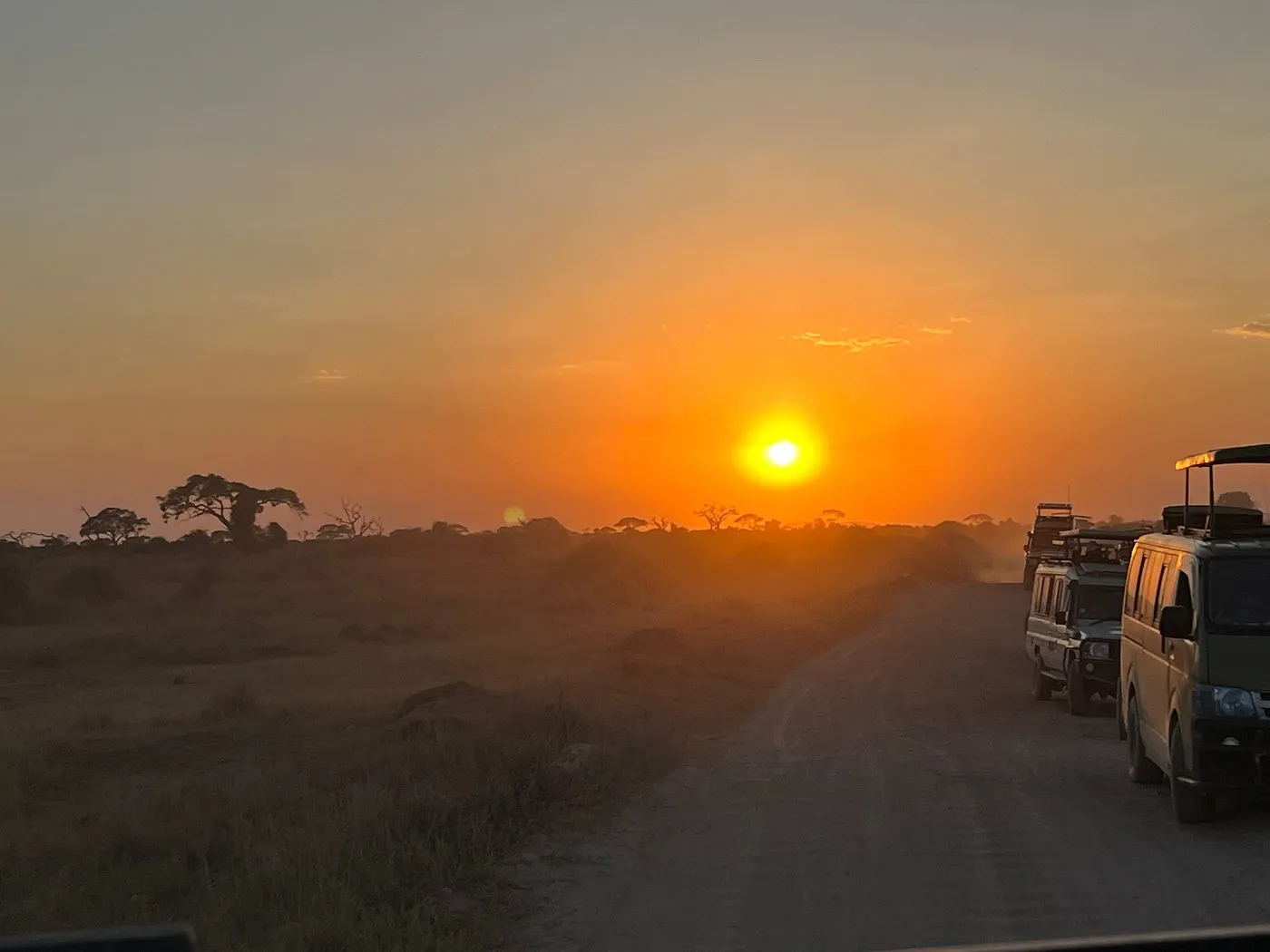
- Silhouettes at sunset
Bring extra memory cards, a dust cloth, and a zoom lens if you use a camera. For phones, shoot during golden hours and avoid heavy digital zoom.
Best time to visit
Amboseli can be visited year-round, but the experience changes with the seasons. The main choice is between the dry season and the wet season.
Dry season from June to October
The dry season is the most popular time for safari. Vegetation is lower, animals gather near permanent water, and roads are generally easier to navigate.
Why visit in the dry season:
- Wildlife is easier to spot
- Elephants often concentrate around wetlands
- Skies can be clearer, especially early in the day
- Road conditions are usually better
The tradeoff is demand. Lodges may be busier, and prices can be higher during peak safari months. Book early if traveling in July, August, or around major holiday periods.
Short dry window from January to February
January and February can also be good months. Conditions are often warm and relatively dry, with useful visibility for wildlife and scenery.
This period can work well for travelers combining Amboseli with other Kenyan parks or coastal stays.
Wet season from March to May and November to December
The wet season brings greener scenery, migratory birds, and dramatic skies. It can be a beautiful time for photography, especially when dust settles and the plains gain color.
Why visit in the wet season:
- Greener landscapes
- Better birding
- Fewer vehicles in some periods
- Possible lower accommodation rates
The tradeoff is rain. Some tracks may become muddy, and clouds can hide Kilimanjaro for long stretches. The long rains, usually around March to May, can be the trickiest period for road conditions.
Best overall choice
For first-time visitors, June to October is the safest choice for wildlife viewing. For photographers who want green landscapes and fewer crowds, the shoulder periods can be rewarding.
Where to stay
Choosing where to stay affects the pace and cost of an Amboseli safari. The main decision is whether to stay inside the park, close to the gates, or in a private conservancy or community area nearby.
Luxury lodges and tented camps
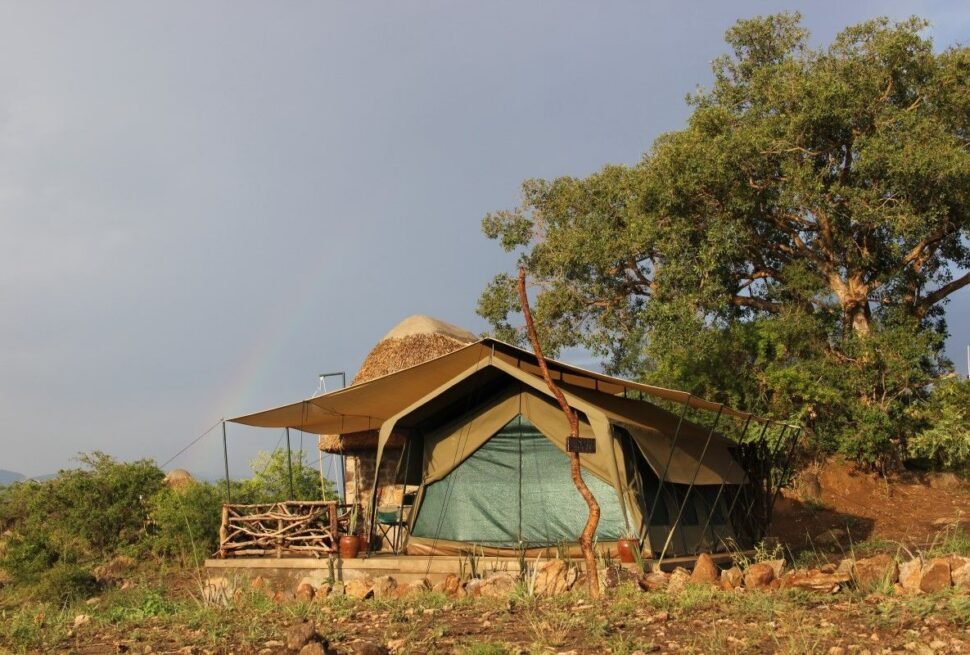
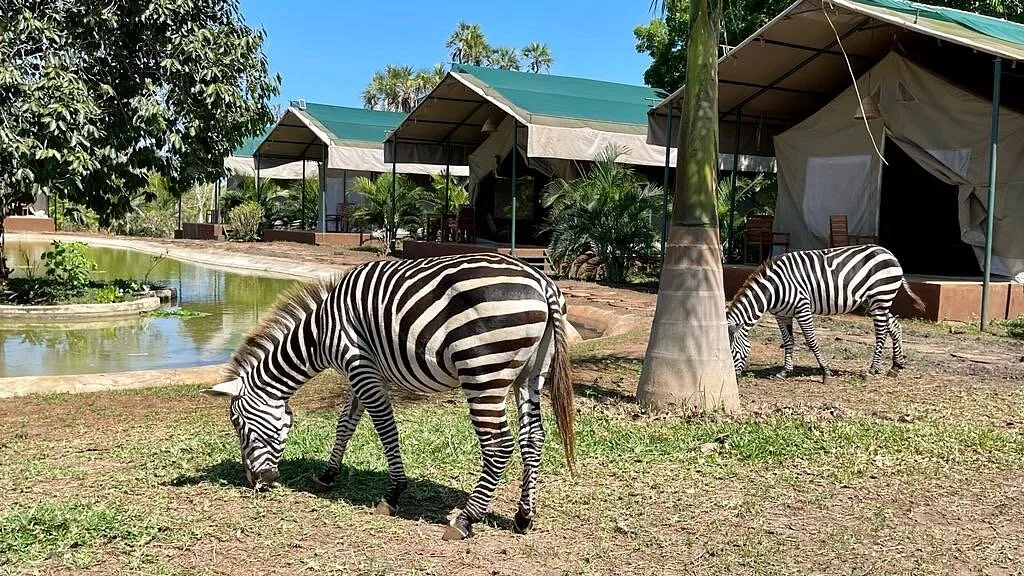
Luxury camps and lodges usually offer the easiest safari experience. They often include full-board meals, guided game drives, comfortable rooms or tents, and strong views.
Luxury stays are best for:
- Honeymoons and special trips
- Travelers who want comfort between drives
- Photographers who need experienced guides
- Guests who prefer an all-inclusive style
Some high-end properties sit in prime wildlife areas or private settings outside the main park. These can offer a quieter experience, though actual access rules depend on the specific location.
Mid-range lodges
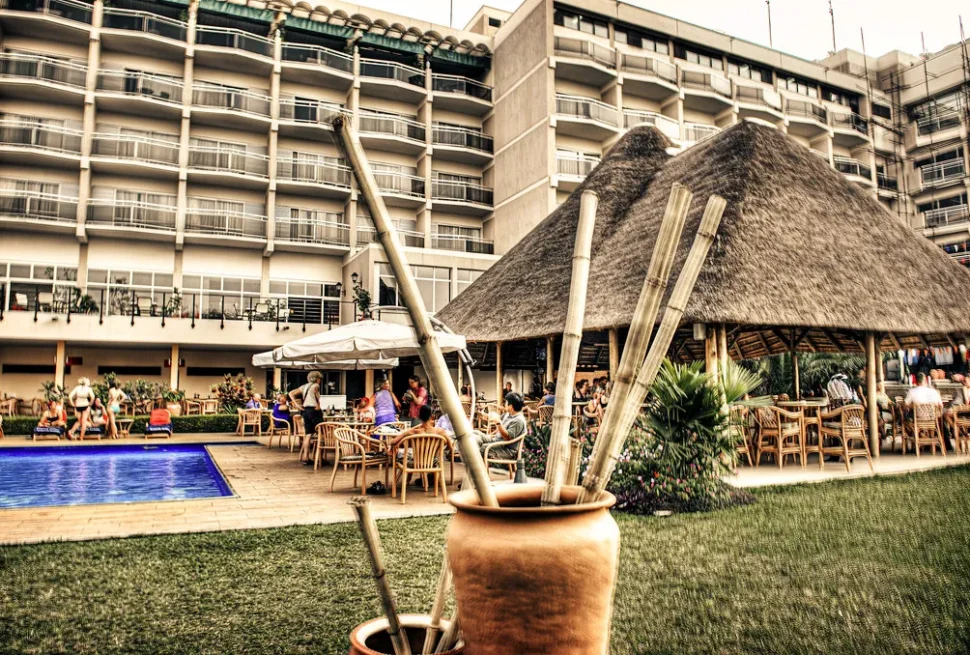
Mid-range lodges are a strong choice for most visitors. They usually balance comfort, location, and cost. Expect private rooms, restaurant service, and arranged game drives.
This category works well for:
- Couples
- Families
- First-time safari travelers
- Small groups
Look closely at what is included. Some rates include meals but not park fees or game drives. Others package everything together.
Budget camps and simple guesthouses
Budget travelers can stay in basic camps or guesthouses near the park gates or in nearby towns. This lowers accommodation costs, but transport and park entry logistics become more important.
Budget options are best for:
- Self-drive travelers
- Backpackers
- Overland groups
- Visitors with flexible schedules
When comparing prices, include the full cost of getting into the park, hiring a vehicle or guide, meals, and transfers. A cheap room far from the gate may not save much if transport is expensive.
Practical tips and cost
A good Amboseli trip is simple to plan when the basics are clear. The biggest cost factors are transport, accommodation level, park fees, and whether your safari is private or shared.
How to get there
Most visitors travel from Nairobi by road. The drive often takes several hours, depending on traffic, road conditions, and which gate you use. Private safari vehicles are common because they also serve as game-drive vehicles once inside the park.
Flying to an airstrip near Amboseli can save time, but it costs more and usually needs transfers arranged by a lodge or safari operator.
Park fees and safari costs
Park fees change, and rates may differ for citizens, residents, and non-residents. Always check the latest Kenya Wildlife Service fee schedule or confirm with a licensed tour operator before booking.
Main cost items include:
| Cost item | What affects the price |
| Park entry fees | Residency status, age, and current official rates |
| Accommodation | Budget camp, mid-range lodge, or luxury tented camp |
| Transport | Shared van, private 4×4, self-drive, or flight |
| Game drives | Private guide, lodge vehicle, or package inclusion |
| Season | Peak months usually cost more |
| Extras | Cultural visits, drinks, tips, and premium activities |
As a broad planning guide, a budget trip keeps costs down through simpler lodging and shared transport. A luxury safari costs more because it often includes premium guiding, better locations, full-board meals, and private or semi-private vehicles.
How many days to spend
For most travelers, 2 nights is the minimum that feels worthwhile. It allows for an afternoon drive, a full day in the park, and a final morning activity.
A strong itinerary looks like this:
- Day 1
Arrive from Nairobi, lunch or check-in, afternoon game drive
- Day 2
Sunrise game drive, Observation Hill, wetland viewing, sunset drive - Day 3
Early morning drive, breakfast, depart
Stay 3 nights if photography is a priority. Extra time improves your chances of clear Kilimanjaro views and interesting elephant behavior.
What to pack
Pack light, but bring items that handle dust, sun, cool mornings, and warm afternoons.
Useful items include:
- Neutral-colored clothes
- Light jacket or fleece for early drives
- Wide-brim hat and sunglasses
- Sunscreen
- Binoculars
- Camera gear or phone with storage
- Reusable water bottle
- Dust cover or scarf
- Small day bag
- Personal medication
Avoid bright white clothing because dust shows quickly. Dark blue and black can attract heat and may draw insects in some safari areas.
Safari etiquette
Good safari behavior protects both wildlife and the experience.
Follow these basics:
- Stay inside the vehicle unless your guide says it is allowed
- Keep noise low near animals
- Never feed wildlife
- Give elephants space, especially family groups
- Do not pressure guides to drive off-road where prohibited
- Respect local communities and ask before photographing people
A skilled guide will read animal behavior and keep a safe distance. This is especially important with elephants, which may appear calm but need space to move naturally.
FAQs
Is Amboseli worth visiting?
Yes. Amboseli is worth visiting for its reliable elephant sightings, open landscapes, and views of Mount Kilimanjaro. It is especially strong for first-time safari travelers and photographers.
How many days do you need in Amboseli?
Plan for at least 2 nights. This gives you time for several game drives and a better chance of clear Kilimanjaro views. A 3-night stay is better for photography or a slower safari pace.
What is Amboseli famous for?
Amboseli is famous for large elephant herds and views of Mount Kilimanjaro. The park also has wetlands, savannah, birdlife, buffalo, giraffes, zebras, wildebeest, lions, and hyenas.
Can you see Kilimanjaro from Amboseli?
Yes, Kilimanjaro is often visible from Amboseli, although weather matters. The clearest views are usually early in the morning or late in the afternoon.
Is Amboseli better than Masai Mara?
Amboseli is better for elephant photography and Kilimanjaro views. Masai Mara is better known for big cat sightings and the Great Migration season. Many safari itineraries include both because they offer different experiences.
What is the best month to visit Amboseli?
July to October are excellent months for wildlife viewing because conditions are dry and animals gather near water. January and February are also good options for a shorter dry-season feel.
Can you self-drive in Amboseli?
Self-driving is possible for experienced travelers, but many visitors use a guided safari vehicle. A guide helps with wildlife spotting, route planning, park rules, and safety around large animals.
Final safari tips before you go
Amboseli rewards patience. Do not rush from sighting to sighting. Some of the best moments happen when the vehicle stops, the dust settles, and elephants begin moving across the plain.
For the best trip, build your plan around three things:
- Start early
Morning light gives the best Kilimanjaro views and wildlife activity. - Stay close
A lodge near the park or inside the wider ecosystem saves time on transfers.
- Use a good guide
Guiding quality can make the difference between seeing animals and understanding the safari.
Amboseli is easy to combine with Nairobi, Tsavo, Samburu, Lake Naivasha, or the Masai Mara, depending on your route and time. As a standalone trip, it offers one of the clearest and most memorable safari experiences in Kenya.
Start with 2 or 3 nights, choose the season that fits your priorities, and plan at least one sunrise drive. If the clouds lift and the elephants cross in front of Kilimanjaro, you will understand why this park remains one of Africa’s great safari classics.