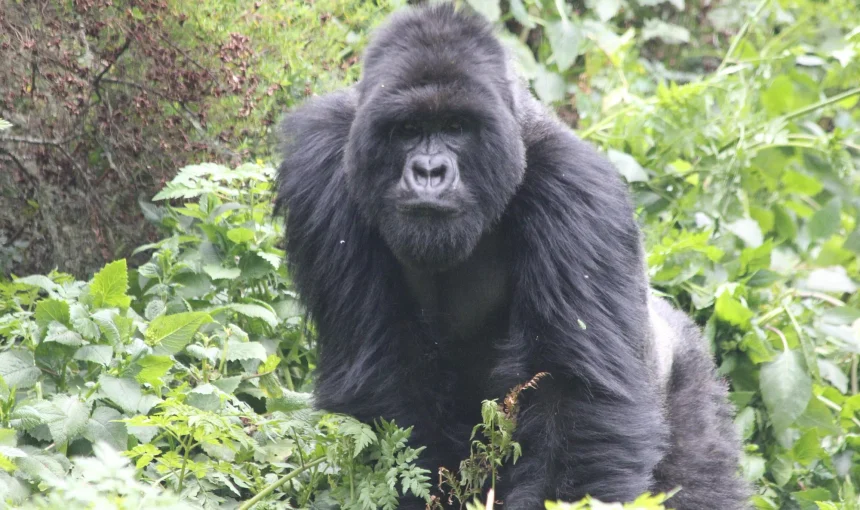
Gorilla trekking is one of Africa’s most memorable wildlife experiences, but it is not open to all ages. In Uganda, Rwanda, and the Democratic Republic of Congo, the standard minimum age for gorilla trekking is 15 years old. That rule shapes how families should plan.
The good news is simple. Older teens can often join the trek. Younger children can still have a rich safari with forest walks, boat safaris, cultural visits, and classic game drives.
The main age limit for gorilla trekking
Most official gorilla trekking programs set the minimum age at 15. This applies to well-known trekking areas such as Bwindi Impenetrable National Park in Uganda and Volcanoes National Park in Rwanda. Park authorities, including the Uganda Wildlife Authority and Rwanda Development Board, use this rule to protect both children and gorillas.
Families should confirm the rule before booking. Permit rules can change, and each destination has its own procedures.
The age limit matters because gorilla permits are expensive and limited. A family should not assume that a mature 12-year-old will be allowed to trek. Rangers usually check passport details before the activity.
For children aged 15 and older, the next question is readiness. Some treks are short. Others can take several hours through steep, muddy forest. Rain is common. Trails can be slippery. A teen who enjoys hiking will likely handle it better than one who dislikes long walks.
Why younger children are not allowed on gorilla treks
The age rule is not only about fitness. It is also about safety and wildlife protection.
Mountain gorillas share much of their DNA with humans. That makes them vulnerable to human illnesses. A common cold can pose a real risk to a gorilla family. Younger children are more likely to carry minor infections and may find it harder to follow strict hygiene rules.
The forest setting also demands calm behavior. Trekkers must stay quiet, follow ranger instructions, and keep a safe distance. A child who runs, shouts, or gets frightened could disturb the gorillas.
Gorillas are usually peaceful when treated with respect. Still, they are powerful wild animals. A silverback can weigh more than 300 pounds. Rangers know how to read gorilla behavior, but visitors must follow instructions fast.
Safety rules families should know before trekking
Gorilla trekking is carefully managed. Groups are led by trained guides and trackers. Visitor numbers are limited. Time with the gorillas is usually capped at one hour once the group is found.
Common safety rules include:
- Keep the required distance from gorillas, often around 7 meters or more.
- Do not trek if sick with flu-like symptoms.
- Speak quietly near the gorillas.
- Do not eat or drink close to the animals.
- Avoid sudden movements.
- Follow the ranger at all times.
- Turn away if coughing or sneezing.
- Never use flash photography.
Families with teens should prepare before travel. Good hiking shoes matter. So do long pants, a rain jacket, garden gloves for gripping vegetation, and enough water. Hiring a porter can help with bags and also supports local livelihoods around the parks.
Parents should also be honest about stamina. If a teenager struggles with steep hikes, ask about easier trekking options when permits are assigned. Rangers often try to match visitors with suitable gorilla groups, though sightings can never be guaranteed as “easy.”
Family-friendly safari alternatives for different ages
Younger children do not need to miss out on wildlife. Many safari activities work better for families because they are shorter, easier to manage, and more flexible.
| Age group | Good safari options | Why they work |
| Ages 0 to 4 | Short game drives, lodge wildlife viewing, nature time near camp | Flexible timing and easy breaks |
| Ages 5 to 7 | Boat safaris, guided nature walks where allowed, junior ranger-style activities | Active learning without long hikes |
| Ages 8 to 11 | Game drives, crater lakes, forest edge walks, cultural visits | Enough variety to hold attention |
| Ages 12 to 14 | Chimpanzee viewing where age rules allow, longer walks, photography challenges | More adventure while waiting for gorilla eligibility |
| Ages 15 and up | Gorilla trekking, golden monkey tracking, full-day hikes | Suitable for stricter wildlife rules |
Boat safaris are often a strong choice for families. In places such as the Kazinga Channel in Uganda, boats can bring sightings of hippos, crocodiles, elephants, buffalo, and many birds. Children can sit, snack, ask questions, and use binoculars.
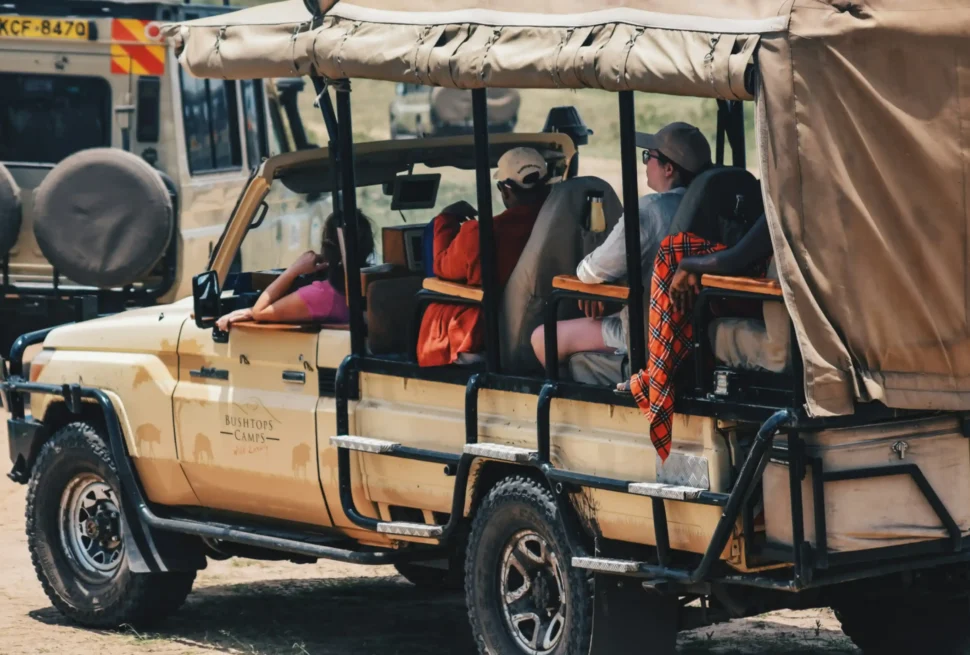
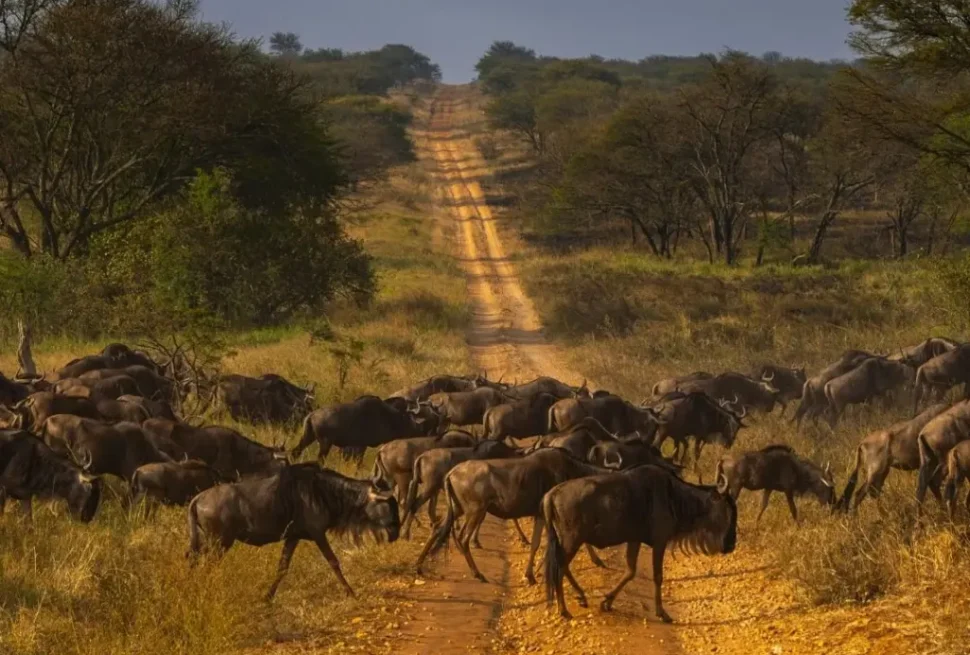
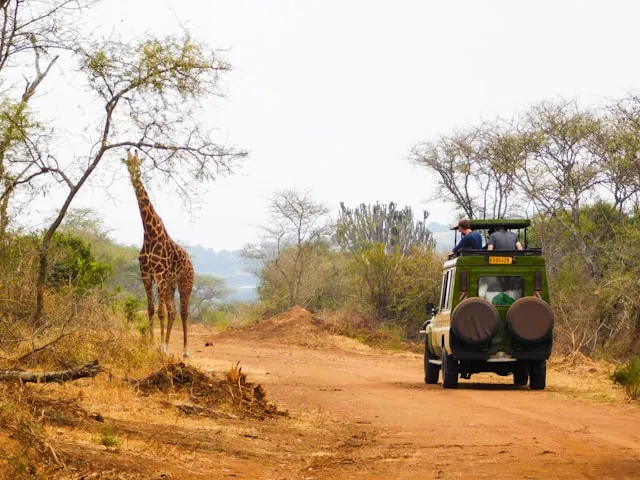
Classic game drives also work well. Lions, giraffes, zebras, elephants, and antelope are easier for young children to spot than animals hidden in thick forest. Drives can be planned around naps and meals.
Golden monkey tracking, available in parts of Rwanda and Uganda, may suit older children, depending on local age rules. These monkeys are active, colorful, and fun to watch. Always check the minimum age before booking.
Cultural and community visits can add depth. Basket weaving, music, cooking demonstrations, and storytelling help children understand that conservation includes the people who live near national parks.
How to make the experience enjoyable for kids
A family safari works best when children have a role. Passive watching gets old fast. Small tasks keep them engaged.
Give each child a simple wildlife checklist. Include animals, birds, tracks, sounds, and plants. For younger kids, use drawings instead of words.
Pack child-size binoculars. Teach children how to focus them before the trip. A few minutes of practice at home can prevent frustration in the vehicle.
Add short lessons before the safari. Explain that gorillas live in family groups led by a silverback. Talk about what they eat, how they build nests, and why forests need protection. The Dian Fossey Gorilla Fund and park authority websites offer accessible conservation information for families.
Use questions during the trip:
- What is the animal eating?
- Is it alone or in a group?
- What helps it stay safe?
- How does it move?
- What would happen if its habitat disappeared?
Keep the schedule humane. Children do better with downtime. A lodge with space to walk, a pool, or easy birdwatching can be as valuable as another long drive.
Snacks help too. So do layers, wipes, a small notebook, pencils, and a compact first aid kit. Avoid overpacking gadgets. The real reward is noticing what is in front of them.
FAQ
Can children under 15 go gorilla trekking?
No, not on standard gorilla treks in Uganda, Rwanda, or the Democratic Republic of Congo. The usual minimum age is 15. Always confirm current rules before booking permits.
Is gorilla trekking safe for teenagers?
Yes, for many teens, when they are healthy, fit enough for hiking, and able to follow ranger instructions. The activity is guided and tightly managed, but it still takes place in wild forest.
What happens if a child or teen is sick on trekking day?
They should not trek. Gorillas can catch human illnesses. Park staff may refuse participation if someone shows symptoms such as coughing, fever, or flu-like illness.
What is the best safari alternative for younger kids?
Boat safaris and short game drives are often the easiest choices. They offer strong wildlife viewing without long hikes or strict silence for extended periods.
Should families wait until all children are 15?
Not necessarily. Families can plan a safari now and save gorilla trekking for a later trip. Another option is for one adult and an eligible teen to trek while younger children do guided activities with another adult.
A family safari can still feel big
Gorilla trekking with children takes planning because the age limit is firm and the safety rules matter. That should not discourage families. It should help them build the right trip.
For teens 15 and older, a gorilla trek can be a powerful lesson in patience, respect, and conservation. For younger children, Africa’s forests, rivers, savannas, and communities offer plenty of wonder now. A well-planned family safari can grow with the children, one unforgettable wildlife encounter at a time.