For many travelers planning a gorilla safari in Uganda, one question comes up before booking: Should I choose standard gorilla trekking or the gorilla habituation experience?
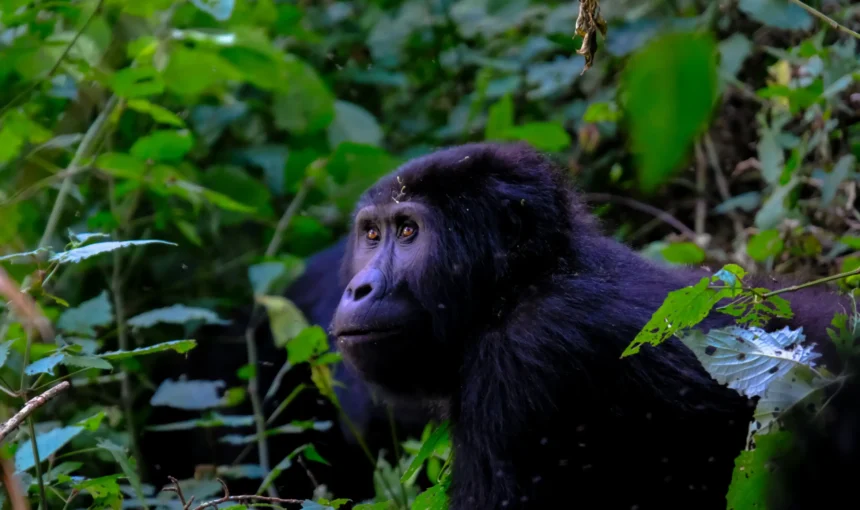
Both experiences take place in Uganda’s mountain forests and offer the chance to spend time observing mountain gorillas in their natural habitat. However, they are different in terms of the type of gorilla group involved, time spent with the gorillas, group arrangements and permit cost.
The main difference is simple: standard gorilla trekking gives you up to one hour with a habituated gorilla family, while the gorilla habituation experience allows up to four hours of viewing with a gorilla group undergoing the habituation process. Uganda Wildlife Authority (UWA) confirms that normal gorilla tracking begins from 8:00 am, while gorilla habituation begins from 6:30 am, with a maximum viewing time of four hours for habituation.
If you are deciding between the two, here is what you need to know.
What Is Standard Gorilla Trekking?
Standard gorilla trekking is the more common way to visit mountain gorillas in Uganda.
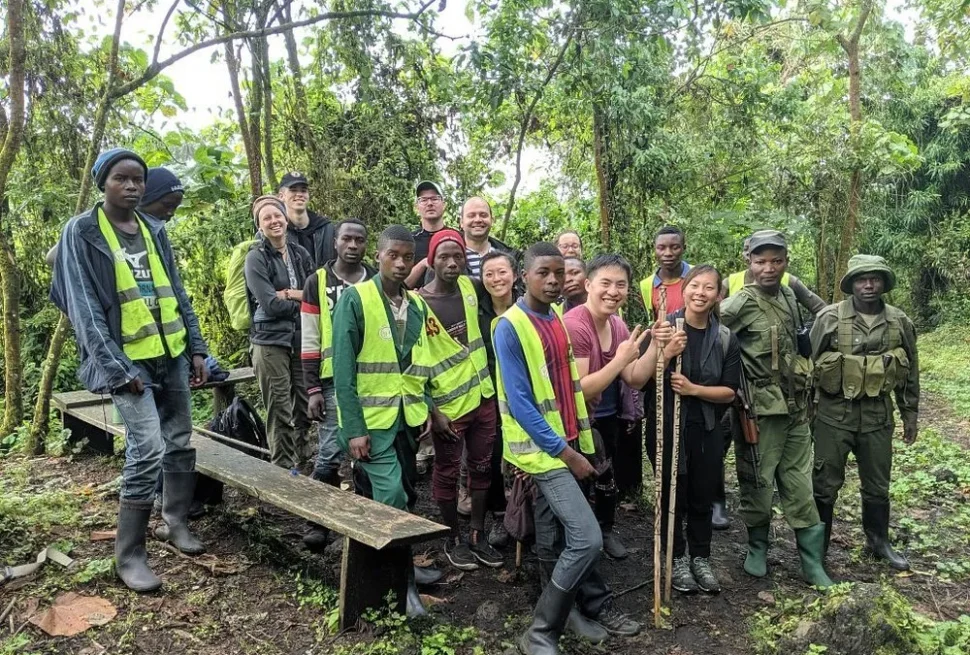
You join a guided trek into the forest in search of a habituated gorilla family. These gorillas are accustomed to the controlled presence of people, allowing visitors to observe them under carefully managed conditions.
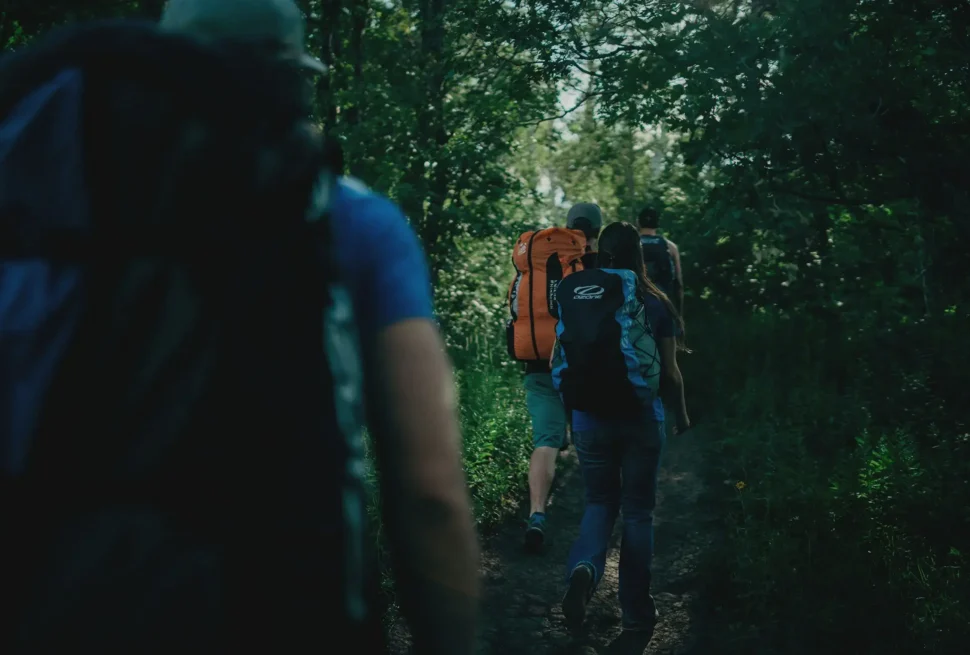
According to UWA, gorilla trekking in Uganda takes place in Bwindi Impenetrable National Park and Mgahinga Gorilla National Park. A trek can take anywhere from about two to seven hours depending on where the gorillas are located, but once you reach the gorilla family, visitors are allowed a maximum of one hour for observation.
That one hour can feel surprisingly short. You may watch the gorillas feeding, moving through the vegetation, resting, playing or interacting with members of their group before returning through the forest.
For most travelers, standard trekking provides everything they are looking for from a gorilla safari.
What Is Gorilla Habituation?
Gorilla habituation is a more immersive experience designed around gorilla groups that are still undergoing the habituation process.
Habituation is the gradual process through which wild gorillas become accustomed to the controlled presence of humans. Rather than simply visiting a fully habituated family for a short viewing period, visitors participating in the habituation experience spend considerably more time in the forest observing the gorillas and learning from the researchers, trackers and guides involved in the process.
The experience is available in Bwindi Impenetrable National Park, particularly around the southern part of the park. UWA’s guidelines distinguish habituation from normal gorilla tracking and allow a maximum of four hours of viewing during the habituation experience.
This makes habituation particularly appealing to travelers who want more time to observe gorilla behavior and understand the conservation work behind the experience.
Gorilla Trekking vs Gorilla Habituation: The Main Differences
| Feature | Standard Gorilla Trekking | Gorilla Habituation Experience |
|---|---|---|
| Main experience | Visit a habituated gorilla family | Spend extended time with a group undergoing habituation |
| Maximum viewing time | 1 hour | Up to 4 hours |
| Starting time under UWA guidelines | From 8:00 am | From 6:30 am |
| Location | Bwindi and Mgahinga | Bwindi |
| Permit cost for Foreign Non-Residents | USD 800 under the 2024–2026 tariff | USD 1,500 under the 2024–2026 tariff |
| Experience length | Usually shorter viewing period | Longer and more immersive |
| Best suited to | Most first-time gorilla travelers | Travelers wanting extended observation and a deeper conservation experience |
UWA’s published 2024–2026 tariff lists the standard gorilla permit at USD 800 for Foreign Non-Residents and the gorilla habituation experience at USD 1,500. Both rates include the guide fee, park entrance fee for the day and community development contribution.
Because UWA tariffs can change, travelers should confirm the applicable rate when booking.
How Much Time Do You Spend With the Gorillas?
This is probably the biggest difference between the two experiences.
With standard gorilla trekking, the maximum viewing time once you reach the gorilla family is one hour. The trek itself can take considerably longer because the gorillas move through the forest and their location changes from day to day.
With gorilla habituation, UWA allows up to four hours of viewing.
That does not necessarily mean you will spend exactly four hours standing in one place. The gorillas may move, feed, rest or travel through the forest, and visitors follow the guidance of the UWA team throughout the experience.
The additional time gives you a greater opportunity to observe behavior that you might not see during a one-hour encounter.
Why Does Gorilla Habituation Take Longer?
A habituation experience is different because the gorilla group is still becoming accustomed to the presence of humans.
The longer period allows visitors to observe more of the group’s natural behavior while trained conservation personnel continue the habituation process.
This can make the experience particularly interesting for travelers who are fascinated by primate behavior, wildlife conservation, photography or field research.
It is important, however, to understand that habituation does not mean visitors can approach the gorillas more closely or interact with them. The experience remains carefully managed, and visitors must follow the instructions of the guides and conservation team.
Where Does Gorilla Habituation Take Place?
Unlike standard gorilla trekking, which takes place in both Bwindi and Mgahinga, the gorilla habituation experience is associated with Bwindi Impenetrable National Park.
Bwindi is divided into four main trekking sectors: Buhoma, Ruhija, Rushaga and Nkuringo. UWA identifies these as the park’s main gorilla trekking sectors.
The habituation experience is particularly associated with the Rushaga area in southern Bwindi.
This is important when planning accommodation and transportation because your choice of activity affects where you should stay the night before your experience.
How Much Does Gorilla Habituation Cost?
Under UWA’s published 2024–2026 conservation tariff, the gorilla habituation experience costs USD 1,500 for Foreign Non-Residents.
For comparison, the standard gorilla trekking permit is USD 800 for the same visitor category.
The habituation experience therefore costs significantly more, but the price difference reflects the longer viewing period and the nature of the experience.
If your main goal is simply to see mountain gorillas in the wild, standard trekking is usually the more economical option.
If you want considerably more time observing the gorillas and are particularly interested in their behavior and conservation, habituation may justify the additional cost.
Is Gorilla Habituation Worth the Extra Money?
That depends on what you want from your safari.
For a traveler visiting Uganda for the first time, standard gorilla trekking is usually enough. One hour with a mountain gorilla family can be an extraordinary experience, especially after hiking through the forest to find them.
However, habituation may be worth considering if you:
- Want significantly more time with the gorillas
- Are particularly interested in wildlife behavior
- Enjoy photography and observation
- Have a strong interest in gorilla conservation
- Do not mind paying more for a specialized experience
- Want a slower and more immersive forest experience
The extra cost should therefore be viewed as paying for a different type of experience rather than simply paying for “more trekking.”
Is Gorilla Habituation More Difficult Than Normal Trekking?
Both experiences involve walking through the forest, sometimes over steep or muddy terrain.
UWA describes gorilla trekking as requiring moderate fitness, with treks potentially lasting between two and seven hours depending on the location of the gorillas.
Habituation starts earlier and can involve considerably more time in the forest, so travelers should be prepared for a longer day.
Your guide will help you manage the pace, but good walking shoes, comfortable clothing, drinking water and appropriate rain protection are important.
Can Children Join Gorilla Habituation?
The same minimum age requirements that apply to gorilla trekking should be considered when planning a habituation experience. Gorilla trekking in Uganda has a minimum age of 15 years.
Families travelling with younger children should therefore plan alternative activities rather than expecting them to participate in the gorilla experience.
What Does the Gorilla Habituation Permit Include?
The UWA tariff states that the gorilla habituation experience fee includes the guide fee, park entrance fee for the day and community development contribution.
It does not mean that all expenses for your safari are covered.
You will still need to budget for accommodation, transportation, meals where not included in your lodge package, porter services if required, travel insurance and other personal expenses.
At Nturo Safaris, we can combine the habituation permit with accommodation and transportation to create a complete itinerary rather than leaving you to organize the different components separately.
Which One Should You Choose?
There is no universal answer.
Choose standard gorilla trekking if:
You want the classic Uganda gorilla experience, have a limited safari budget, or are mainly interested in seeing mountain gorillas in their natural environment.
The one-hour viewing period can provide plenty of memorable moments, and you can combine the trek with other Ugandan experiences such as wildlife safaris, cultural visits and nature activities.
Choose gorilla habituation if:
You want a longer encounter and have a particular interest in understanding gorilla behavior and conservation.
The additional viewing time gives you a very different perspective and allows you to spend considerably longer observing the group.
For travelers who have already experienced standard gorilla trekking and want something more specialized, habituation can also be an excellent second gorilla experience.
Gorilla Habituation or Trekking: Which Is Better for Photography?
Both can provide excellent photographic opportunities, but the experiences are different.
Standard trekking gives you a limited viewing period, so you need to make the most of your time once you reach the gorillas.
Habituation gives you substantially more time, which can allow you to observe different behaviors and wait for better photographic moments.
However, photography should never take priority over the welfare of the gorillas. Visitors must follow the instructions of the guides and maintain the required distance and behavior around the animals.
Gorilla Habituation and Conservation
Gorilla tourism is closely connected to conservation in Uganda.
Bwindi’s mountain gorillas have recovered from historically low population numbers through decades of protection, research, law enforcement, tourism and community participation. UWA reported that the 2018 Bwindi census recorded 459 mountain gorillas and noted that the 2025/2026 genetic DNA analysis results were still awaited as of September 2026.
The habituation experience provides visitors with an opportunity to see part of the conservation process that takes place before gorilla groups become fully accustomed to controlled human presence.
The money generated from gorilla tourism also contributes to the broader conservation and community system around the protected area.
Is Gorilla Habituation Available All Year?
The availability of specific habituation permits depends on UWA’s allocation and the gorilla groups designated for the experience.
Because the experience is more limited than standard gorilla trekking, it is important to arrange it well in advance.
Do not assume that a standard gorilla permit can simply be upgraded to habituation at the last minute. The two experiences have separate permit categories and availability needs to be confirmed before booking.
Planning a Gorilla Habituation Experience in Uganda
A successful habituation safari involves more than obtaining a permit.
You need to consider where you will stay, how you will reach the southern Bwindi area, when you will arrive for the early morning briefing and how the habituation experience fits into the rest of your Uganda itinerary.
Nturo Safaris can arrange the permit, accommodation, transportation and other safari activities as part of one itinerary.
For travelers coming through Rwanda, we can also organize a gorilla habituation safari from Kigali, depending on permit availability and your preferred travel dates.
Frequently Asked Questions
What is the difference between gorilla habituation and gorilla trekking?
Standard gorilla trekking involves visiting a habituated gorilla family with a maximum viewing time of one hour. Gorilla habituation allows visitors up to four hours of viewing with a gorilla group undergoing habituation. UWA also sets different starting times for the two activities.
How much is gorilla habituation in Uganda?
The UWA 2024–2026 tariff lists the gorilla habituation experience at USD 1,500 for Foreign Non-Residents.
How long do you spend with gorillas during habituation?
UWA allows a maximum of four hours of viewing during the gorilla habituation experience.
How long do you spend with gorillas during normal trekking?
Normal gorilla trekking allows a maximum of one hour of viewing once you reach the gorilla family.
Where can I do gorilla habituation in Uganda?
Gorilla habituation is conducted in Bwindi Impenetrable National Park, particularly in the southern part of the park around the Rushaga area.
Is gorilla habituation worth the extra cost?
For travelers who want more time observing gorillas and have a strong interest in wildlife behavior and conservation, the longer experience can be worth the additional cost. Travelers mainly interested in seeing mountain gorillas for the first time may find standard trekking sufficient.
Is gorilla habituation harder than normal trekking?
Both activities involve hiking through Bwindi’s forest, and the difficulty depends on the location of the gorilla group. Habituation begins earlier and involves a longer overall experience, so travelers should be prepared for a longer day in the forest.
What is the minimum age for gorilla habituation in Uganda?
The minimum age for gorilla trekking activities in Uganda is 15 years.
Can I do both gorilla trekking and habituation?
It is possible to experience both on separate permits and dates, subject to UWA availability. Doing both can provide two different perspectives on Uganda’s mountain gorillas.
Book Your Gorilla Experience with Nturo Safaris
Whether you choose standard gorilla trekking or the more immersive habituation experience, Uganda offers a rare opportunity to observe mountain gorillas in their natural forest environment.
At Nturo Safaris, we help travelers plan gorilla experiences in Uganda, from arranging permits and accommodation to organizing transportation and connecting the gorilla trek with the rest of your safari.
If you are unsure which option is right for you, we can help you compare the two based on your travel dates, budget and interests.
Contact Nturo Safaris to plan your Uganda gorilla trekking or habituation experience.