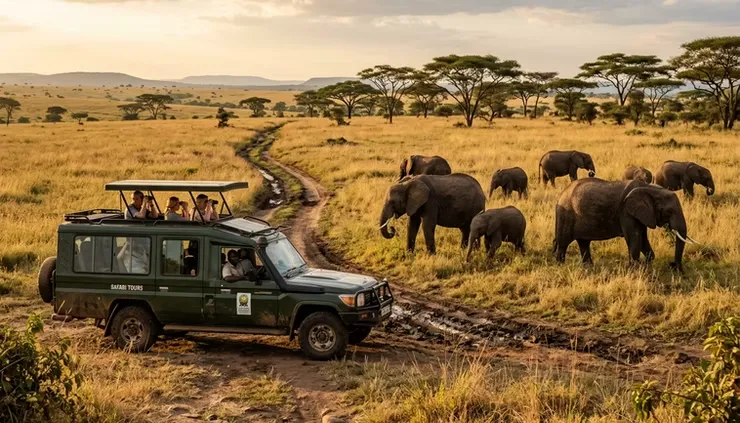
Uganda is not a “drive for two days and tick every animal from one vehicle” safari destination. It is more interesting than that. The Big Five are spread across savanna parks, river valleys, crater plains, and one dedicated rhino sanctuary. That means a good Uganda safari needs smart routing, realistic timing, and a guide who knows how wildlife behaves in each place.
The classic Big Five are lion, leopard, African elephant, African buffalo, and rhinoceros. In Uganda, four of them live in national parks. Rhinos are found at Ziwa Rhino Sanctuary, where guided walking experiences support ongoing rhino conservation.
For travelers combining a wildlife safari with gorilla trekking in Bwindi or Mgahinga, Uganda works especially well. A well-planned route can include lions on the Kasenyi plains, elephants near the Nile, buffaloes along the Kazinga Channel, rhinos on foot at Ziwa, and, with patience, a leopard melting into the shade before sunset.
Can you see all of the Big Five in Uganda
Yes, it is possible to see the Big Five in Uganda, but not all in one national park.
The usual Big Five route includes:
| Big Five animal | Best places in Uganda | How reliable is the sighting |
| Lion | Queen Elizabeth, Murchison Falls, Kidepo Valley | Good with enough game drives |
| Leopard | Queen Elizabeth, Murchison Falls, Kidepo Valley, Lake Mburo | Possible, but never guaranteed |
| Elephant | Murchison Falls, Queen Elizabeth, Kidepo Valley | Very good in the right areas |
| Buffalo | Queen Elizabeth, Murchison Falls, Kidepo Valley, Lake Mburo | Very good |
| Rhino | Ziwa Rhino Sanctuary | Very good on a guided rhino walk |
Uganda’s advantage is variety. A safari can move from the Nile in Murchison Falls to the crater country of Queen Elizabeth, then continue to Bwindi for mountain gorillas. That mix is one reason many travelers choose Uganda over a safari that focuses only on open plains.
Where to see lions in Uganda
Lions are present in several Ugandan parks, but sightings depend on habitat, time of day, and the skill of the guide. Early morning and late afternoon game drives are best because lions rest during the heat.
Queen Elizabeth National Park
Queen Elizabeth National Park is one of Uganda’s best-known lion areas. The Kasenyi plains, on the northern side of the park, are a strong place to search. Uganda kob are common there, and lions often follow the prey.
The park’s southern sector, Ishasha, is famous for tree-climbing lions. They often rest in fig trees during the day, especially when the ground is hot or insects are active. This behavior is not unique to Uganda, but Ishasha is one of the few places in East Africa where travelers regularly look for it.
A good Ishasha sighting often starts with something small: a tail hanging from a branch, a pale belly pressed against dark bark, or a guide slowing down beside a fig tree that looks empty at first glance.
Murchison Falls National Park
In Murchison Falls National Park, lions are most often searched for on the northern bank of the Nile, especially around the open tracks near the Paraa and Delta areas. The habitat here makes for classic savanna viewing, with grasslands, borassus palms, and long views across the plains.
Murchison is also excellent for combining predator drives with boat safaris. While lions are found on land, the Nile adds strong elephant, buffalo, hippo, and crocodile viewing.
Kidepo Valley National Park
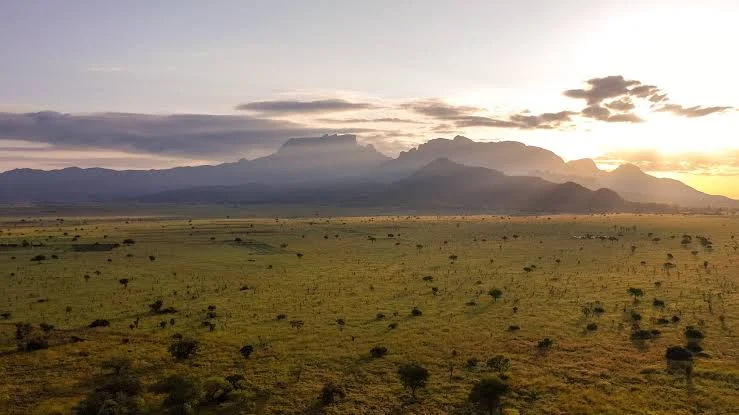
Remote Kidepo Valley National Park in northeastern Uganda offers some of the country’s wildest lion country. The Narus Valley holds water longer than many surrounding areas, which attracts buffalo, antelope, and predators.
Kidepo takes more time to reach, but it rewards travelers who want a quieter safari with fewer vehicles and wide-open scenery.
Where to see leopards in Uganda
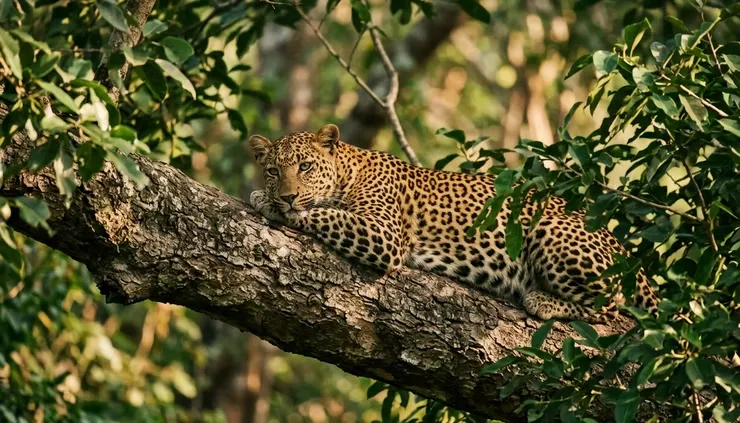
Leopards are the hardest of the Big Five to predict. They are solitary, secretive, and often active after dark. A guide may see tracks, fresh droppings, or alarm calls from monkeys and antelope before seeing the cat itself.
The best approach is patience. Look carefully into sausage trees, euphorbia, fig trees, and shaded thickets near game tracks.
Queen Elizabeth National Park
Queen Elizabeth gives travelers a fair chance of leopard, especially around Mweya Peninsula, Kasenyi, and the tracks leading through mixed bush and open grassland. Leopards here often use trees for resting, feeding, and keeping away from hyenas.
Even when a leopard is close, it may appear only as a spotted shoulder or a tail moving through the grass. Binoculars help a lot.
Murchison Falls National Park
Murchison also has leopard habitat, particularly on the northern side of the Nile. Drives near woodland edges, drainage lines, and quiet tracks can be productive.
Leopard sightings in Murchison often happen in low light. A very early start gives the best chance before the day becomes hot.
Lake Mburo National Park
Lake Mburo National Park is not a Big Five park because it has no lions, elephants, or rhinos, but it is worth mentioning for leopard. The park allows guided night drives under park regulations, and leopards are among the species travelers hope to see after dark.
Lake Mburo also pairs well with journeys between Kampala or Entebbe and Bwindi, making it a useful stop on gorilla safari routes.
Where to see African elephants in Uganda
Elephants are among Uganda’s most memorable safari sightings because they often appear in family groups, moving slowly through grassland or feeding near water. Uganda has both savanna and forest habitats, but the Big Five safari experience focuses on the African savanna elephant.
Murchison Falls National Park
Murchison is one of the strongest elephant destinations in Uganda. Elephants are seen on game drives and frequently along the Nile during boat trips toward the base of Murchison Falls or toward the Delta.
The boat safari is especially good for photographers. Elephants may come down to drink, splash water onto their bodies, or feed along the riverbank while the boat remains at a respectful distance.
Queen Elizabeth National Park
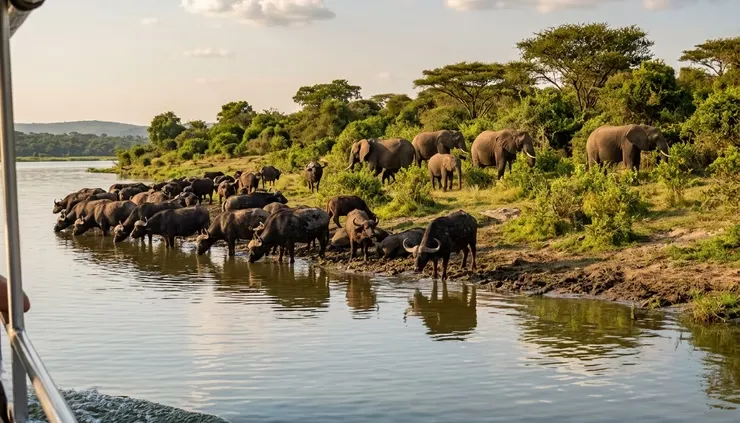
Queen Elizabeth’s elephants are often seen near the Kazinga Channel, a natural waterway linking Lake Edward and Lake George. A Kazinga boat cruise can produce excellent views of elephants, buffaloes, hippos, waterbirds, and crocodiles in one outing.
On land, elephants may move between the park and surrounding areas. Drives through the Mweya and Kasenyi areas can be productive, and Ishasha also has elephant activity.
Kidepo Valley National Park
Kidepo’s elephants are part of what makes the park feel so wild. Sightings can be less predictable than along the Nile or Kazinga Channel, but the setting is dramatic, with mountains, open valleys, and a strong sense of space.
Where to see African buffaloes in Uganda
Buffaloes are the most reliable Big Five animal in Uganda’s savanna parks. They gather in herds, wallow in mud, graze near water, and often stand with oxpeckers on their backs.
Do not confuse reliability with tameness. African buffaloes are powerful and unpredictable, especially old bulls, often called “dagga boys,” that move alone or in small groups. Good guides give them space.
You can see buffaloes in:
- Queen Elizabeth National Park, especially around Kasenyi, Mweya, Ishasha, and the Kazinga Channel
- Murchison Falls National Park, both on game drives and boat safaris
- Kidepo Valley National Park, where large herds can gather in the Narus Valley
- Lake Mburo National Park, which is useful for shorter safaris and stopovers toward western Uganda
For families and first-time safari travelers, buffaloes are often a good introduction to reading animal behavior. A relaxed herd grazes steadily. A nervous buffalo faces the vehicle, lifts its head, and watches closely.
Where to see rhinos in Uganda
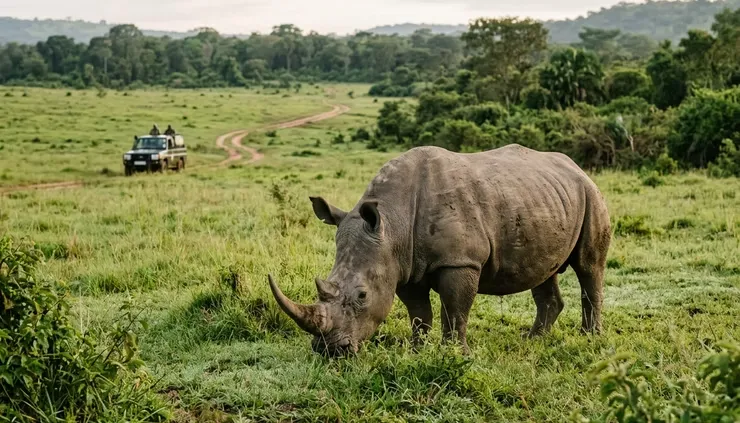
Rhinos are not currently found roaming freely in Uganda’s national parks. The place to see them is Ziwa Rhino Sanctuary, located between Kampala and Murchison Falls National Park. It is the natural stop for travelers driving from Entebbe or Kampala to Murchison.
Ziwa protects southern white rhinos and plays a key role in Uganda’s rhino conservation story. Uganda lost its wild rhinos in the past due to poaching and conflict, and Ziwa was established to help restore a breeding population under protection.
The rhino experience is usually done as a guided walk with trained rangers. Walking near rhinos is very different from viewing wildlife from a safari vehicle. The pace is slow, the briefing matters, and the guide controls the distance.
A typical visit fits well like this:
- Leave Kampala or Entebbe in the morning
- Stop at Ziwa for the guided rhino walk
- Continue to Murchison Falls National Park
- Start game drives the next day with four more Big Five species possible
This routing is one of the most practical ways to build a complete Uganda Big Five safari.
The best Uganda safari routes for the Big Five
The right route depends on time. Uganda roads are improving, but distances still take longer than a map suggests. A good itinerary avoids rushing between parks and leaves enough daylight for wildlife viewing.
A short Big Five route with Murchison Falls and Ziwa
This is the most direct option for travelers with limited time.
Best for
First-time visitors, families, travelers focused on the Big Five
Typical route
Entebbe or Kampala, Ziwa Rhino Sanctuary, Murchison Falls National Park, return to Entebbe or Kampala
Why it works
Ziwa covers rhinos, while Murchison offers strong chances for elephant, buffalo, lion, and possible leopard. The Nile boat safari adds variety and gives the trip a different rhythm from game drives.
A classic wildlife and gorilla route
This is one of the best all-round Uganda safari plans.
Best for
Travelers combining Big Five wildlife viewing with gorilla trekking
Typical route
Entebbe, Ziwa, Murchison Falls, Queen Elizabeth, Bwindi Impenetrable National Park, Lake Mburo, Entebbe
Why it works
This route gives more chances for lions and leopards by including both Murchison and Queen Elizabeth. It also connects naturally to Bwindi for gorillas. Lake Mburo can break up the return drive and adds zebra, impala, eland, and possible leopard.
A remote wilderness route with Kidepo
Kidepo is for travelers who have more time and want a wilder safari.
Best for
Wildlife photographers, repeat safari travelers, couples seeking quieter parks
Typical route
Entebbe, Ziwa, Murchison Falls, Kidepo Valley, return by road or fly depending on schedule
Why it works
Kidepo adds beautiful predator country and a remote feel that many travelers do not expect in Uganda. It is not the easiest route, but it can be one of the most rewarding.
When is the best time to see the Big Five in Uganda
Uganda is a year-round safari destination, but wildlife viewing tends to be easier in the drier months. Vegetation is thinner, animals gather near water, and tracks are usually easier to drive.
Common dry-season windows are:
- June to September
- December to February
The wetter months can still be excellent, especially for photography. The grass is greener, skies can be dramatic, and parks may feel quieter. The trade-off is that animals can spread out and some tracks may become muddy.
For gorilla trekking in Bwindi or Mgahinga, permits are needed year-round, and the forest can be wet in any month. A practical safari plan should allow enough time between long drives, game drives, boat trips, and gorilla trek days.
Practical tips for better Big Five sightings
A Uganda safari is never a zoo checklist. The more time spent in the right habitat, the better the odds.
Use these practical habits:
- Start earlyLions and leopards are most active before the heat builds.
- Stay out late when park rules allowThe last hour of light can be excellent for predators and photography.
- Book boat safaris in Murchison and Queen ElizabethThe Nile and Kazinga Channel give reliable elephant, buffalo, hippo, and bird sightings.
- Use binocularsLeopards and tree-climbing lions can be surprisingly hard to spot even when nearby.
- Listen to the guideLocal guides read tracks, alarm calls, and behavior every day. That field knowledge often makes the difference.
- Do not chase sightingsCrowding animals stresses wildlife and leads to poor viewing. A calm approach usually gives better encounters.
Why local planning matters for a Uganda Big Five safari
Uganda rewards local knowledge. Park conditions change with rainfall, animal movement, road works, and seasonal grass height. A Ugandan-owned and Uganda-based operator such as Nturo Safaris has the advantage of working with local driver-guides, current route knowledge, and realistic timing between destinations.
That matters most when combining major experiences. A route that looks simple on a map can feel rushed on the ground if it ignores ferry crossings, park entry timing, boat schedules, gorilla permit dates, and the long drive between Queen Elizabeth and Bwindi.
The best safaris build in breathing room. One extra night in the right park can turn a rushed trip into a meaningful wildlife experience.
FAQ
Can I see the Big Five in one Uganda national park
No. Rhinos are seen at Ziwa Rhino Sanctuary, not in Uganda’s national parks. The usual plan is to combine Ziwa with Murchison Falls, Queen Elizabeth, or Kidepo Valley.
Which Uganda park is best for lions
Queen Elizabeth National Park is one of the best choices, especially the Kasenyi plains and Ishasha sector. Murchison Falls and Kidepo Valley also offer good lion habitat.
Are leopard sightings guaranteed in Uganda
No. Leopards are present in several parks, but they are shy and often active in low light. More game drives improve the chances, especially in Queen Elizabeth, Murchison Falls, Kidepo, and Lake Mburo.
Is Ziwa Rhino Sanctuary worth visiting
Yes, especially for travelers aiming to complete the Big Five. The guided rhino walk is also a very different experience from vehicle-based game viewing.
Can I combine the Big Five with gorilla trekking
Yes. Many Uganda itineraries combine Ziwa, Murchison Falls, Queen Elizabeth, and Bwindi. This gives a strong mix of savanna wildlife and mountain gorillas.
A final word on seeing the Big Five in Uganda
The best Uganda Big Five safari is not only about checking off five animals. It is about watching elephants cross a dusty track near the Nile, seeing buffaloes crowd the Kazinga Channel, scanning fig trees for lions in Ishasha, and walking quietly with a ranger at Ziwa while rhinos graze ahead.
Plan enough time, choose the right parks, travel with people who know the ground, and Uganda gives you far more than a list. It gives you a safari with depth, variety, and real sense of place.