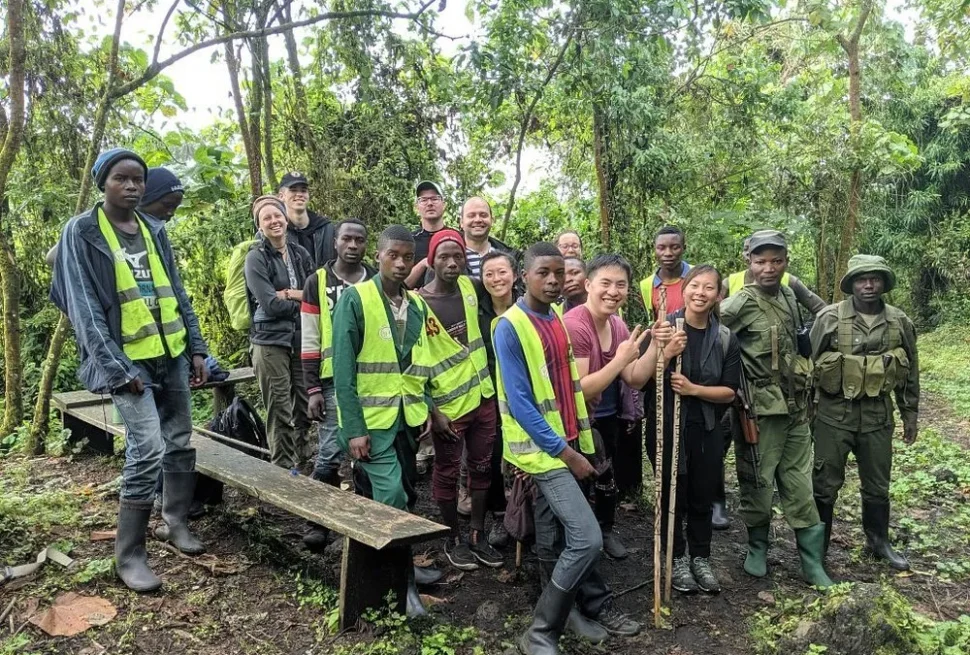
Gorilla trekking is not a casual forest walk. In Uganda’s Bwindi Impenetrable National Park and Mgahinga Gorilla National Park, and in Rwanda’s Volcanoes National Park, trails can shift from soft leaf litter to ankle-deep mud in minutes. The forest is humid, the slopes are steep, and rain can arrive even when the morning starts bright.
Packing well does more than keep you comfortable. It helps you move safely, protect your gear, and stay focused when the guide signals that a gorilla family is close. These are the top 5 packing essentials for gorilla trekking in Uganda and Rwanda, ranked by how much they affect comfort, safety, and the overall trekking experience.
1. Waterproof hiking boots with strong ankle support
A good pair of boots is the most important item you will pack. Gorilla trekking often means walking on slick roots, clay soil, uneven stones, and steep forest slopes. In rainy conditions, trainers can soak through quickly and lose grip. Sandals are not suitable for this terrain.
Look for waterproof hiking boots with a deep tread and firm ankle support. The boot should feel stable on uneven ground but not so stiff that it causes blisters. If the boots are new, wear them on several long walks before the trek. A beautiful pair of boots is useless if it starts rubbing 30 minutes into the forest.
What to choose:
- Mid-cut or high-cut boots for ankle support
- Waterproof material such as treated leather or a quality membrane
- Grippy soles with deep lugs
- Enough toe room for downhill sections
Pack moisture-wicking socks as well. Avoid cotton socks, which hold sweat and can cause friction. A thin liner sock under a thicker hiking sock can help reduce blisters on longer treks.
2. A lightweight waterproof jacket and warm layers
The weather in gorilla habitat changes fast. A sunny trailhead can turn into a cool, wet forest within an hour. Higher elevations in Rwanda’s Volcanoes National Park and parts of Uganda can feel chilly, especially early in the morning.
A lightweight waterproof jacket is better than a bulky raincoat. It should pack small, breathe well, and cover your wrists and waist when you move. Ponchos can work in light rain, but they may snag on branches and feel awkward on steep sections.
Under the rain shell, wear layers you can adjust:
- A breathable base layer
- A light fleece or warm mid-layer
- A waterproof outer shell
This setup helps you manage both sweat and rain. If you wear one heavy jacket, you may overheat on climbs and feel cold when you stop. Layering gives you control.
3. Long-sleeved clothing, trekking pants, and gloves
The forest is alive with vines, nettles, thorns, insects, and damp vegetation. Long sleeves and long pants protect your skin as you move through thick growth. This is especially useful in Bwindi, where some routes can feel dense and tangled.
Choose quick-drying fabrics rather than jeans. Denim becomes heavy when wet and takes a long time to dry. Lightweight trekking pants are a better choice, especially if they allow easy movement at the knees and hips.
Gloves are easy to overlook, but they are one of the smartest items to pack. Many trekkers use simple gardening gloves because they protect the hands when grabbing branches, pushing aside vegetation, or steadying yourself on the ground.
Good clothing choices include:
- Neutral-colored long-sleeved shirts
- Quick-dry trekking pants
- Light gloves with grip
- A buff or neck gaiter for dust, chill, or insects
- Gaiters to keep mud, ants, and debris out of your boots
Avoid bright white clothing if possible. It shows mud quickly and can feel glaring in the forest. Neutral greens, browns, and grays fit the environment better.
4. A comfortable daypack with water protection
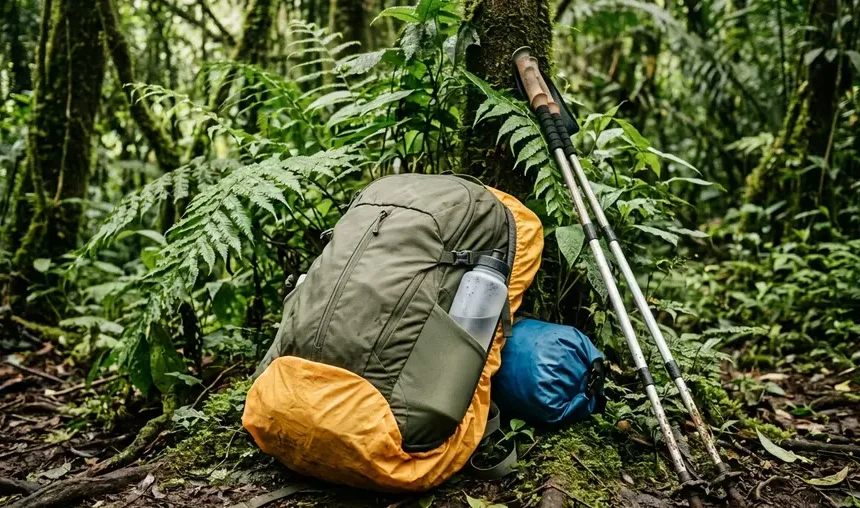
You do not need a large expedition pack for gorilla trekking, but you do need a reliable daypack. It should hold your rain jacket, extra layer, snacks, water, camera, documents, and any medication you need during the day.
Choose a pack with padded shoulder straps and a waist or chest strap. These help keep the bag steady when you climb or descend. A pack that swings around on muddy slopes can throw off your balance.
Water protection matters. Even if your backpack is made from water-resistant fabric, use a rain cover or dry bags inside. Forest rain can be persistent, and camera gear, phones, passports, and permits should stay dry.
Pack these inside:
- At least one full water bottle or hydration bladder
- Energy snacks such as nuts, granola bars, or dried fruit
- A dry bag for electronics
- A small first-aid kit
- Copies of key documents if needed
- Hand sanitizer and tissues
A porter can carry your daypack if you hire one, which also supports local livelihoods. Even then, keep small essentials such as medication and a phone within easy reach.
5. Personal safety kit and trek-ready extras
Guided gorilla treks are well organized, but the forest still demands preparation. A small safety kit can solve problems before they grow.
Your kit should include blister plasters, basic pain relief, antiseptic wipes, insect repellent, sunscreen, and any personal medication. If you are prone to allergies or stomach issues, pack what you normally use when traveling. Keep everything compact and waterproof.
A headlamp is useful if your morning starts before sunrise or if lodge paths are dim. A whistle is rarely needed on guided treks, but it is light and easy to carry. Trekking poles can also improve balance on steep or slippery trails, especially after rain.
Do not forget the items that help you make the most of the encounter:
- A camera with a silent mode if available
- Extra batteries or a power bank
- A waterproof phone pouch
- Binoculars for birds and distant wildlife
- Small local currency notes for tips
Flash photography is not allowed around gorillas, so know your camera settings before entering the forest. The moment can be intense, and you do not want to waste it searching through menus.
Extra packing tips for a smoother gorilla trek
Keep your total load light. The trek length can vary, and heavy packs feel heavier with every climb. Pack for wet ground, changing temperatures, and limited access to supplies once you leave the trailhead.
Before the trek, separate your gear into three groups:
| Wear on the trail | Water, snacks, camera, dry bag, first-aid kit, warm layer |
| Carry in the daypack | Water, snacks, camera, dry bag, first-aid kit, warm layer |
| Leave at the lodge | Heavy luggage, extra shoes, nonessential electronics |
A few small habits help too. Waterproof your most valuable items twice, once in a pouch and again inside the pack. Put snacks where you can reach them without unpacking everything. Test your camera before the briefing. Use your gloves before the vegetation gets thick, not after your hands are scratched.
The best packing choice is the one that keeps you present
The top pick is clear: well-broken-in waterproof hiking boots. If your feet are dry, supported, and blister-free, the rest of the trek becomes much easier.
After that, think in layers and protection. Rain gear, long clothing, gloves, a practical daypack, and a small safety kit all work together. Pack smart, keep your load manageable, and the forest becomes less of an obstacle and more of what it should be, one of the most memorable wildlife experiences on Earth.