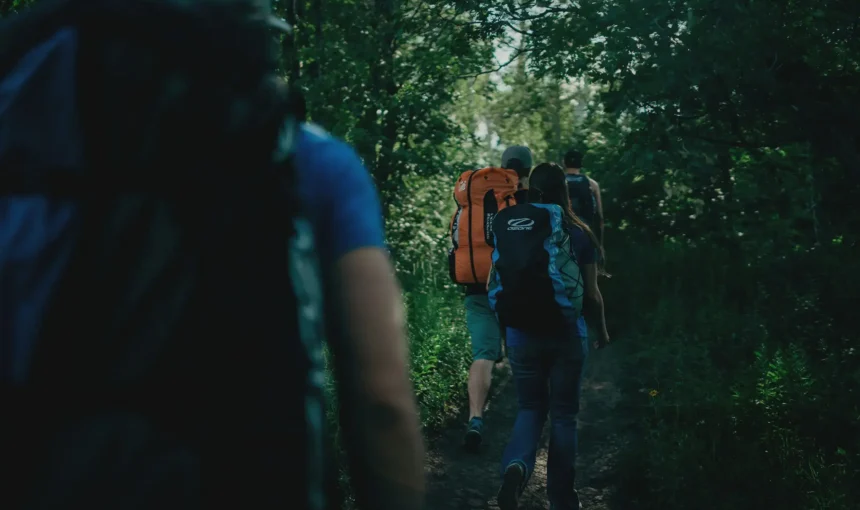
A mountain gorilla trek in Uganda is an unforgettable experience—and a physical adventure. Trails in Bwindi Impenetrable National Park and Mgahinga Gorilla National Park can be steep, muddy, uneven, and humid. The gorillas move freely through the forest, so trek length and difficulty vary from day to day.
You don’t need to be an elite athlete. Building stamina, leg strength, balance, and confidence on hills can help you enjoy the trek more comfortably. Start gradually, train consistently, and check with a healthcare professional before beginning a new exercise plan if you have health concerns.
What to Expect on the Trail
Depending on the gorilla group’s location, a trek may involve a relatively short walk or several hours of hiking. You might climb slopes, step over roots, move through thick vegetation, and walk on slippery ground. The pace is usually set by the group, with guides offering direction and breaks as needed.
Because conditions are unpredictable, prepare for a longer, more challenging walk than you hope to encounter.
Build Cardiovascular Endurance
Cardiovascular fitness helps you keep moving over time and recover after climbs. Walking is excellent preparation: begin with comfortable walks and gradually add distance, hills, or stairs.
Other useful activities include cycling, swimming, and using an elliptical machine. Aim for regular moderate activity, increasing duration and intensity little by little. A brisk pace should feel challenging but still allow you to speak in short sentences.
If you can, include longer walks on varied terrain. Practice with the daypack and footwear you plan to use, but keep the pack light.
Strengthen Your Legs and Core
Strong legs can make uphill sections and controlled descents feel more manageable. Core strength and balance help you stay steady on uneven trails.
Try two short strength sessions each week, using exercises such as:
- Step-ups on a stable step
- Sit-to-stands or bodyweight squats
- Supported lunges
- Calf raises
- Bird-dogs or other gentle core exercises
Start with a comfortable number of repetitions and focus on good form. If an exercise causes pain, stop and seek guidance.
Include Flexibility and Balance
Flexibility won’t make a steep trail flat, but comfortable movement can help you step over obstacles and adjust your footing. Add gentle mobility work after walks, especially for your calves, hips, ankles, and thighs. Avoid forcing stretches or bouncing.
Balance practice can also help. Try standing on one foot near a stable support, or walk on safe, varied surfaces. Trekking poles may be useful for some visitors; ask your tour operator whether they’re suitable and permitted for your trek.
A Sample Six-Week Training Schedule
Adjust this plan to your current fitness, schedule, and health. If you have less time before your trip, don’t cram in hard workouts—build up safely and focus on consistency.
| Weeks | Cardio and walking | Strength and mobility |
| 1–2 | Walk 30 minutes, 3 times a week, mostly on level ground | Strength train twice; add gentle mobility after walks |
| 3–4 | Walk 35–50 minutes, 3 times a week; include gentle hills or stairs | Strength train twice; practice balance |
| 5 | Take one longer walk of 60–90 minutes, plus 2 shorter walks | Strength train once or twice; keep mobility work gentle |
| 6 | Do a comfortable hill walk and 1–2 easy walks; avoid exhausting yourself | Light strength early in the week, then prioritize rest |
Use a pace that feels manageable, take recovery days, and reduce the workload if you feel unusually tired or sore. In the final days before the trek, rest, hydrate, and avoid trying unfamiliar exercises.
Hydration and Nutrition Matter
Drink fluids regularly in the days before your trek, not just on the morning of it. Bring water according to your operator’s advice, and take small drinks during breaks. Heat, humidity, and exertion can increase your fluid needs.
Eat regular, balanced meals while training. Include carbohydrates for energy, protein to support recovery, and fruits and vegetables for variety. Before the trek, choose a familiar breakfast that sits well with you. Carry a snack if your operator recommends it, and follow park guidance about food and waste.
Footwear and Practical Preparation
Comfortable, broken-in hiking boots with good grip are more useful than brand-new gear. Wear them on training walks to check the fit, and bring hiking socks that work for you. Rain can make trails slippery, so pack suitable rain protection and ask your operator about gaiters, gloves, and other recommended equipment.
A porter may be available to help carry your daypack or assist on difficult sections. Ask your operator about arrangements and fees; using a porter is a practical option, not a sign that you haven’t prepared.
Learn From Other Trekkers – Without Guessing Their Story
Every trek is different. One visitor may find the hike manageable after regular hill walks, while another may be surprised by how tiring the mud and steep sections feel. Rather than relying on a single person’s experience, ask your tour operator about recent trail conditions, the expected meeting point, and available support.
The most useful preparation is the kind you can sustain: steady walks, modest strength training, proper rest, and well-fitted footwear.
A Final Word of Encouragement
You don’t need to arrive at peak fitness to take part, but preparing can help you feel more confident on the trail. Build up gradually, listen to your body, and tell your guide if you feel unwell or need a break. With realistic training and sensible preparation, you can focus less on the climb and more on the extraordinary moment of seeing mountain gorillas in the forest.