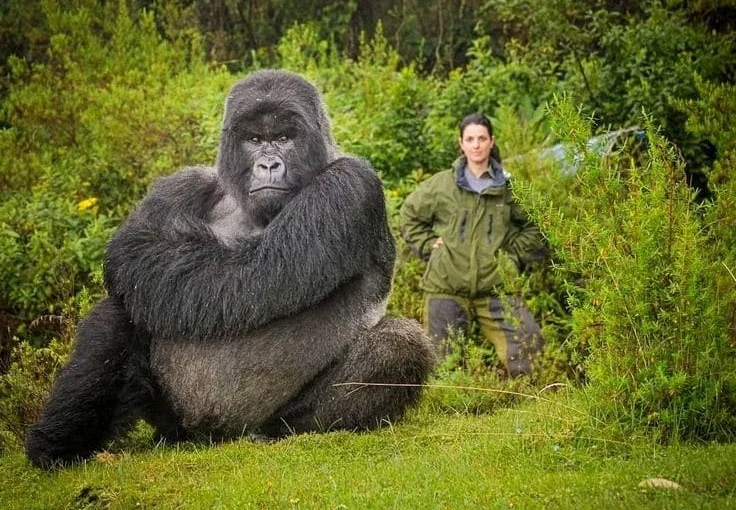
Choosing between Bwindi Impenetrable National Park in Uganda and Volcanoes National Park in Rwanda depends on the kind of trek, trip, and landscape you want. Both protect endangered mountain gorillas and offer guided encounters with habituated groups. Neither guarantees a sighting, and the hike’s length and difficulty can vary because gorillas move through the forest.
Bwindi is a dense, biodiverse rainforest with several trekking sectors and a wide range of accommodation. Volcanoes is a high-altitude park of bamboo forest, montane forest, and volcanic slopes, with trekking bases close to Rwanda’s capital compared with the long overland journey to Bwindi.
This guide compares the parks’ landscapes, trekking experiences, wildlife, visitor facilities, seasons, and planning considerations. Permit prices, availability, rules, and travel conditions can change, so check directly with the relevant park authority before booking.
Bwindi and Volcanoes at a Glance
| Feature | Bwindi Impenetrable National Park | Volcanoes National Park |
| Country | Uganda | Rwanda |
| Setting | Steep, dense montane rainforest | Virunga volcanic slopes, bamboo forest, and montane forest |
| Trekking areas | Buhoma, Ruhija, Rushaga, Nkuringo | Several trailheads within the park; assignments depend on permits and park arrangements |
| Trek character | Forest trails, steep slopes, thick vegetation | High-altitude slopes, forest and bamboo zones |
| Access | Long road transfer from Kampala or a domestic flight plus road transfer | Road transfer from Kigali to the Musanze area, then to the park |
| Other notable activities | Birding, Batwa cultural experiences, golden monkey tracking at Mgahinga | Golden monkey tracking, volcano hikes, and other guided park activities |
| Best suited to | Travellers seeking a rainforest setting and multiple trekking sectors | Travellers seeking a volcanic landscape and a relatively straightforward route from Kigali |
Landscapes and Ecosystems
Bwindi: Dense rainforest and steep terrain
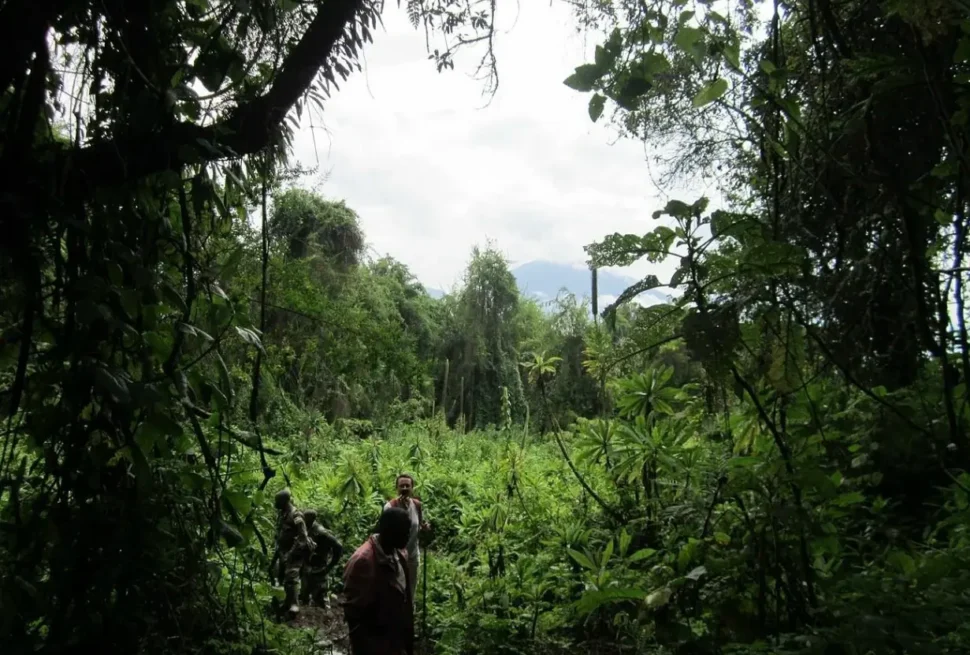
Bwindi lies in southwestern Uganda near the border with the Democratic Republic of the Congo. Its name reflects the dense vegetation: the park is known for steep ridges, deep valleys, thick undergrowth, and humid montane rainforest.
The forest’s varied elevations and habitats support a broad range of plants and animals. Trekking here often means moving through tangled vegetation on muddy, uneven trails. The forest can feel enclosed, with limited views, but the scenery is rich in detail: giant trees, vines, ferns, and a lively chorus of birds and insects.
Bwindi’s four main gorilla trekking sectors are Buhoma, Ruhija, Rushaga, and Nkuringo. These are spread across the park, so the sector printed on your permit should guide where you stay and how you arrange transport.
Volcanoes: Bamboo forest and volcanic slopes
Volcanoes National Park is part of the Virunga Massif, a chain of volcanoes shared by Rwanda, Uganda, and the DRC. The park protects forested slopes around volcanoes including Karisimbi, Bisoke, and Sabyinyo.
The landscape changes with altitude. Treks may pass through bamboo forest, montane forest, and open sections of higher slopes. Compared with Bwindi’s dense rainforest, parts of Volcanoes can feel more open, though vegetation, weather, and trail conditions vary.
The park’s high elevation is an important consideration. Even a trek that is not especially long can feel strenuous when it involves steep slopes and thinner air.
What the Gorilla Trekking Experience Is Like
In both parks, visitors join a guided group led by park staff and trackers. The team locates the assigned gorilla group, and visitors hike to reach it. Once the group is found, the time allowed with the gorillas is limited by park rules; confirm the current visit duration when booking.
The exact route and hiking time cannot be predicted in advance. Gorillas move freely, and the trek may take a relatively short time or several hours. Expect an early start, a safety briefing, and a hike over natural terrain—not a paved trail or a zoo-style viewing experience.
Trekking in Bwindi
Bwindi treks can be physically demanding. Trails may be steep, slippery, muddy, and overgrown, with branches and roots underfoot. The difficulty depends on the gorilla group’s location, the sector, recent weather, and your pace.
Some visitors use a local porter to help carry a daypack or provide support on difficult sections. Porters can make the hike more manageable and provide paid work for local residents. Ask your operator or park staff about availability and current arrangements.
Because Bwindi has several sectors, two treks in the same park can feel quite different. Confirm your permit sector early and choose accommodation nearby to avoid a long drive before the trek.
Trekking in Volcanoes
Volcanoes treks involve hiking on high-altitude terrain, often on volcanic slopes. Routes can be steep and muddy, and the elevation may make the effort feel harder than expected. The amount of time spent hiking depends on where the gorillas are that day.
The park’s proximity to the Musanze area can make logistics simpler for visitors travelling from Kigali. That convenience does not make the trek easy, however: fitness, weather, altitude, and trail conditions still matter.
How difficult are the treks?
Neither park can promise an easy hike. Difficulty depends on the location of the gorilla group and conditions on the day. In general:
Bwindi: Expect steep, muddy forest trails and thick vegetation.
Volcanoes: Expect steep slopes and high elevation, with forest and bamboo terrain.
Both: Be prepared to hike for several hours, move at a steady pace, and adapt to changing weather.
Tell your tour operator about mobility or health concerns before booking. Ask what support is available, and follow the guides’ instructions throughout the trek.
Gorilla Populations and Other Wildlife
Both parks protect mountain gorillas, and both offer guided visits to habituated groups. The gorillas are wild, and sightings are never guaranteed, although trackers work to locate the assigned group.
Bwindi is also recognized for its wider forest biodiversity. It supports many bird species and other forest wildlife, including monkeys and small mammals. Dense vegetation can make animals harder to see, so birding and wildlife viewing often require patience and a good guide.
Volcanoes National Park is part of a larger Virunga ecosystem and is also known for golden monkeys. Other wildlife is present, but the park’s steep, forested terrain means that sightings vary by location and activity.
If seeing additional primates is a priority, check which activities are available during your dates. Golden monkey tracking is offered in Volcanoes National Park and Uganda’s Mgahinga Gorilla National Park, not as a standard activity within Bwindi itself.
Accommodation and Visitor Facilities
Staying near Bwindi
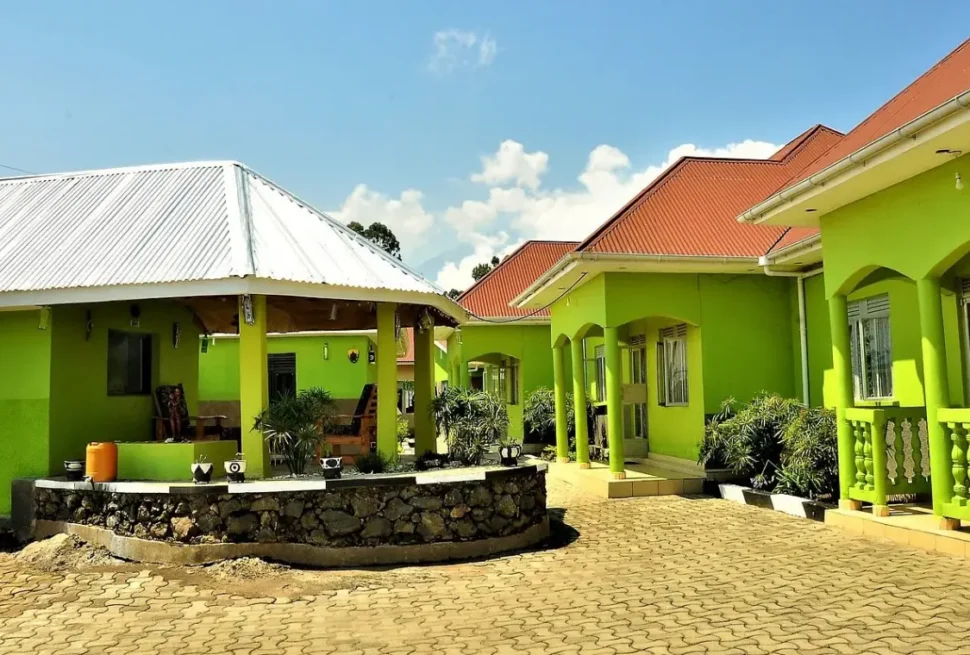
Bwindi has accommodation across its different sectors, ranging from basic guesthouses to higher-end lodges. The main practical issue is location: the park is large, and a lodge in one sector may be a poor fit for a permit in another.
Before paying a deposit, confirm:
- The sector named on your gorilla permit.
- The lodge’s distance from that sector’s briefing point.
- The expected drive time on trekking morning.
- Whether meals, transfers, and porter arrangements are included.
Facilities and standards vary by property. Ask about road access, electricity, hot water, meals, and luggage storage if these are important to you.
Staying near Volcanoes
Many visitors stay in or near Musanze, the main town serving Volcanoes National Park. The area has a range of guesthouses, hotels, and lodges, with options at different price points. Accommodation closer to the park may reduce the morning transfer, while stays farther away may offer more choice or lower rates.
Confirm how your accommodation will arrange transport to the park entrance, what time you must leave, and whether meals are available before an early trek.
Park facilities
Both parks provide visitor briefings and guided trekking arrangements. Facilities beyond the main visitor areas may be limited, so bring essentials such as water, snacks, rain protection, and any personal medication. Follow current park instructions about what may be carried into the forest.
Best Time to Visit
Gorilla trekking is available year-round in both parks. Many travellers prefer relatively drier periods, commonly around June to September and December to February, because trails may be less muddy. These are broad seasonal patterns, not guarantees; rain can fall at any time, and local conditions vary.
The wetter periods can mean muddier trails and more challenging hiking. They may also bring fewer visitors or different accommodation availability. Check current weather and trail information shortly before travelling.
Seasonal planning tips
- Book permits and accommodation well in advance for popular travel periods.
- Keep your itinerary flexible in case of weather or transport delays.
- Pack waterproof layers even during drier months.
- Wear broken-in hiking boots with good grip.
- Bring gloves to protect your hands when moving through vegetation.
- Dress in layers, especially for high-altitude treks.
- Ask your operator about current age, health, and equipment requirements.
Permits, Access, and Trip Planning
A gorilla trekking permit is required in both countries, and daily places are limited. Permit prices, booking procedures, and availability can change. Check the latest information with the Uganda Wildlife Authority for Bwindi and the Rwanda Development Board for Volcanoes National Park.
Uganda’s gorilla habituation experience is a separate activity available in Bwindi, subject to current rules and availability. It involves a longer visit with a gorilla group alongside researchers and guides. Confirm the current details with the Uganda Wildlife Authority before planning around it.
Getting to Bwindi
Bwindi is a long drive from Kampala. Some travellers take a domestic flight to an airstrip near their trekking area and continue by road. Travel times depend on the sector, route, road conditions, and traffic.
Because the park’s trekking sectors are spread out, arrange transport only after confirming your permit sector. Avoid assuming that a lodge or transfer suitable for one sector will work for another.
Getting to Volcanoes National Park
Many visitors travel by road from Kigali to the Musanze area, then continue to the park for the trek briefing. Confirm transfer times with your accommodation or operator, and allow extra time for road conditions and early departure requirements.
Border and onward travel
Travelling between Uganda and Rwanda may involve border crossings and separate entry requirements. Check visa rules, passport validity, transport arrangements, and current travel advisories for your nationality and route. Do not assume that a permit for one country covers trekking in the other.
Which Park Should You Choose?
Choose Bwindi if you want a dense rainforest experience, a choice of trekking sectors, and the possibility of combining your trip with other Ugandan destinations. It is especially important to match your accommodation and transport to the sector on your permit.
Choose Volcanoes National Park if you are drawn to volcanic scenery, want to travel from Kigali to a gorilla trekking base, or hope to combine gorilla trekking with activities such as golden monkey tracking or volcano hikes.
Neither park is universally better. Bwindi’s forest trails and Volcanoes’ high-altitude slopes both demand preparation, and the actual trek can vary considerably from one day to the next.
Final Comparison
Bwindi and Volcanoes National Park both offer carefully managed opportunities to see mountain gorillas in the wild. Bwindi stands out for its dense rainforest, multiple trekking sectors, and broader forest setting. Volcanoes is distinctive for its volcanic landscape, bamboo and montane forests, and access from Rwanda’s Musanze area.
Make your decision based on the permit you can secure, the landscape you want to experience, your travel route, and your comfort with steep hiking. Book through official channels or a reputable operator, verify current rules and prices, and prepare for a strenuous outdoor trek. That combination of planning and flexibility gives you the best chance of enjoying the experience responsibly.