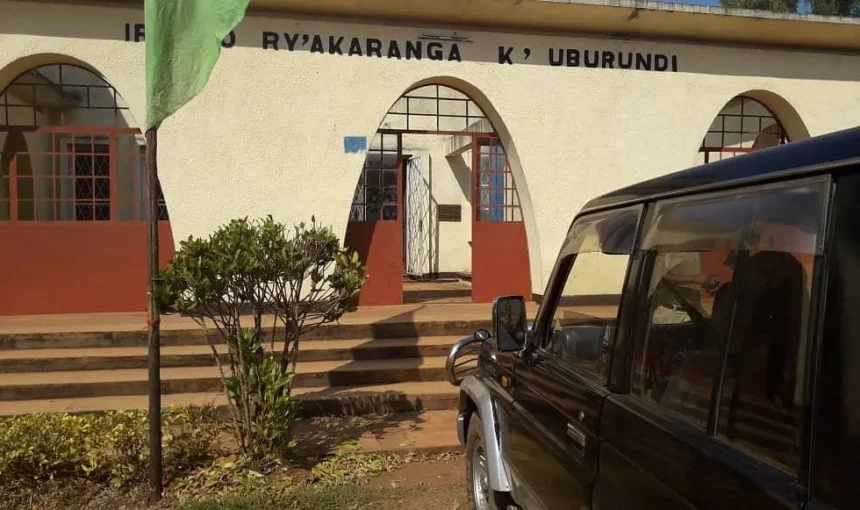
The National Museum of Gitega is one of the best places to understand Burundi beyond maps and headlines. Set in Gitega, the country’s political capital, the museum brings together royal objects, sacred drums, tools, crafts, and everyday artifacts that explain how Burundian society has changed over time.
For travelers planning a route through central Burundi, this museum is a smart first stop. It gives useful context before visiting drum sanctuaries, royal sites, local markets, and the surrounding highlands.
Quick Summary
- Best for
History lovers, culture-focused travelers, students, photographers, and anyone building a deeper Gitega travel guide itinerary. - Main highlights
Royal regalia, ethnographic collections, traditional tools, historical objects, and displays connected to Burundi royal drums.
- Location
Gitega, Burundi’s political capital and one of the country’s most important cultural centers. - Visit tip
Hire a local guide if available. The objects become far more meaningful when someone explains their use, symbolism, and oral history.
- Planning note
Opening hours and ticket details can change, so confirm locally before you go.
History of the Museum Founded in 1955
The National Museum of Gitega was founded in 1955, during the late colonial period, and has remained one of Burundi’s key cultural institutions. Its collections help preserve objects linked to the country’s monarchy, community life, craft traditions, music, agriculture, belief systems, and social organization.
Gitega itself is a fitting home for the museum. Long before it became Burundi’s political capital, the city held a central place in the country’s historical and cultural life. Its position in the central highlands made it an important point of connection between communities, royal authority, and ceremonial traditions.
The museum’s role goes beyond displaying old objects behind glass. It helps protect Burundi cultural heritage at a time when many traditional items, stories, and skills are at risk of being forgotten. For visitors, that makes the museum more than a quick sightseeing stop. It is a doorway into how Burundians have lived, ruled, farmed, celebrated, and remembered.
The collection also reflects the importance of oral history. In Burundi, as in many parts of the Great Lakes region, history has often been passed through performance, memory, poetry, drums, and storytelling. A written label can introduce an object, but a knowledgeable guide can explain how that object was used, who used it, and why it mattered.
That is why the museum works best when treated as a learning visit, not just a photo stop. Move slowly. Ask questions. Look for patterns in the displays, especially the links between power, ritual, music, and daily labor.
Why the museum matters today
For travelers, the museum gives necessary background before exploring more of Burundi. It helps explain:
- The role of monarchy in Burundi’s past
- Why drums hold such deep cultural meaning
- How rural tools reflect daily life and agricultural knowledge
- How clothing, ornaments, and regalia communicated status
- How traditional objects connect to identity, ceremony, and memory
A visit here also supports the wider value of cultural preservation. Museums in smaller countries often work with limited resources, yet they hold collections that are central to national identity.
Key Exhibits to Look For
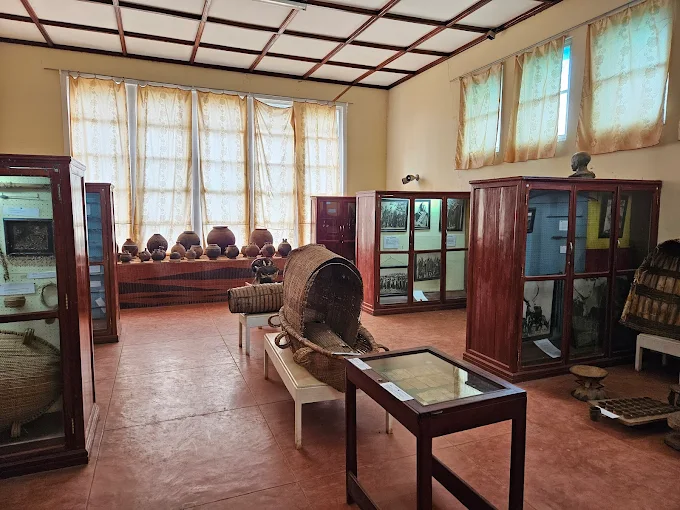
The museum’s exhibits are usually the main reason travelers add it to their Burundi itinerary. While displays and access may vary, the most important themes include royal power, sacred music, traditional tools, and ethnographic objects from everyday life.
Royal regalia and symbols of authority
One of the most interesting parts of the museum is its connection to Burundi’s royal past. Royal regalia can include objects linked to leadership, court ceremony, status, and political authority.
These items may appear simple at first glance, but they carry great meaning. In many traditional societies, power was shown through carefully chosen materials, clothing, ornaments, weapons, drums, staffs, and ritual objects. The museum helps visitors see that leadership was not just about command. It was also about ceremony, symbolism, and public recognition.
Look closely at the craftsmanship. Materials, patterns, and shapes often reveal how objects were made and how they were meant to be seen. A guide can help explain which objects were tied to rulers, court members, warriors, or ritual specialists.
Sacred drums and ceremonial music
No cultural visit to Burundi feels complete without learning about drums. The country’s drum tradition is renowned, and the museum helps explain why drums are not simply musical instruments.
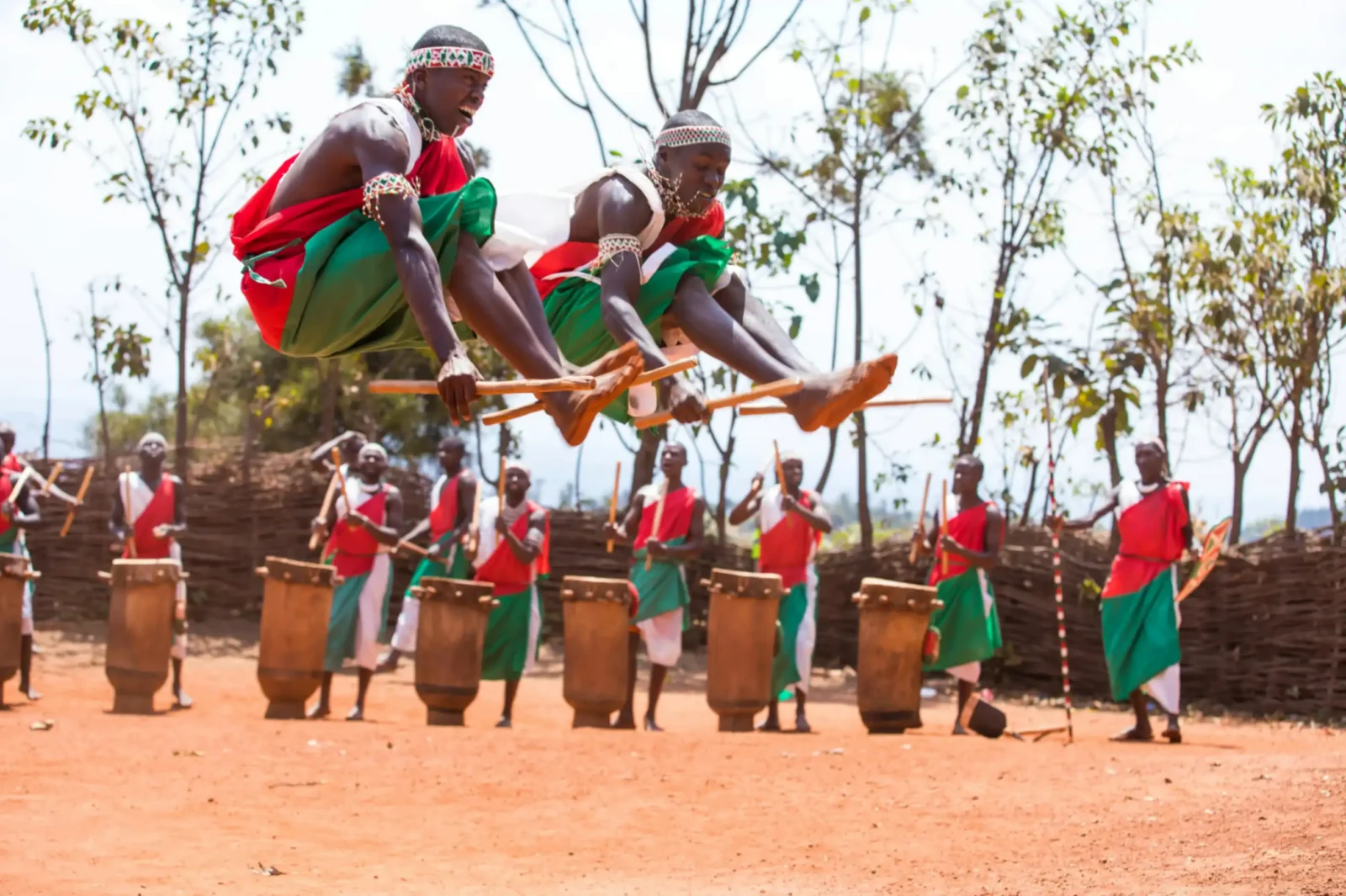
In Burundi, drums have been connected to ceremony, royal authority, fertility, celebration, and communication. The most famous drum traditions are often performed by skilled drummers whose movements, rhythm, and formation carry historical meaning.
The museum’s displays connected to Burundi royal drums help visitors understand the deeper role of percussion in public life. These drums were not made only for entertainment. They could mark important moments, express collective identity, and connect communities to royal and spiritual traditions.
When viewing drum-related exhibits, pay attention to:
- The size and shape of the drums
- The materials used to make them
- Their ceremonial context
- Their link to royal courts and public events
- The way performance combines sound, movement, and discipline
If you later attend a drum performance in Burundi, the museum visit will make the experience far richer.
Ethnographic artifacts from daily life
The ethnographic collections are especially useful for understanding everyday life. These objects may include household items, agricultural tools, pottery, baskets, clothing, ornaments, and implements used in food preparation or craftwork.
This section is often where visitors make the strongest connection with the past. Royal objects can feel distant, but a farming tool, woven basket, or cooking vessel shows how families worked, stored food, prepared meals, and organized domestic life.
Ethnographic artifacts can reveal:
- How people adapted to local landscapes
- Which materials were available and valued
- How skills passed between generations
- How beauty and function worked together
- How community life depended on specialized knowledge
Do not rush this part of the museum. Small objects often tell large stories.
Traditional crafts and material culture
Burundian craft traditions are another highlight. Basketry, woodwork, pottery, and metalwork all reflect practical skill and cultural expression.
A handmade object carries the mark of its maker. The form may be shaped by daily need, but the design can still show pride, taste, and identity. Visitors interested in responsible travel should see these museum pieces before buying crafts in markets, since it helps build respect for the knowledge behind the work.
How to Visit the Museum in Gitega
The museum is located in Gitega, the political capital of Burundi. Gitega sits in the central part of the country, which makes it a logical stop for travelers moving between Bujumbura, central Burundi, and other cultural or natural sites.
Because travel conditions, road times, and local services can change, it is best to plan with current local advice. If you are traveling independently, ask your accommodation, driver, or local contact to confirm the museum’s opening status before you go.
Getting there
Most visitors reach Gitega by road. Travel times depend on your starting point, road conditions, and stops along the way. If coming from Bujumbura or another major town, arrange transportation in advance when possible.
For a smoother visit:
- Start early in the day
- Confirm road conditions before departure
- Carry local currency for small payments
- Keep your passport or ID accessible
- Ask your driver to wait if onward transport is uncertain
- Combine the museum with other nearby cultural stops if time allows
Gitega is calmer than Burundi’s largest urban areas, but it remains an important administrative and cultural center. Allow enough time to move around without rushing.
Hiring a guide
A guide can make a major difference at the National Museum of Gitega. Many objects are tied to oral traditions, royal history, ceremonial use, and local meaning that may not be fully explained on labels.
If a museum guide is available, it is usually worth hiring one. If not, ask your hotel, tour organizer, or local contact whether a cultural guide in Gitega can accompany you.
A good guide can help with:
- Explaining royal regalia and court traditions
- Interpreting drum symbolism
- Translating labels or local terms
- Connecting museum objects to sites around Gitega
- Answering questions about etiquette and photography
Before starting the tour, agree on the language, expected duration, and any guiding fee. This avoids confusion and keeps the visit relaxed.
Museum etiquette
Cultural museums protect fragile objects, so visit respectfully. Some items may have sacred or ceremonial significance.
Good etiquette includes:
- Ask before taking photos
- Do not touch objects unless clearly allowed
- Keep your voice low inside exhibit rooms
- Avoid flash photography if signs prohibit it
- Listen carefully when guides explain sacred objects
- Do not treat ceremonial items as props
Respect matters because many museum objects are not just historical. They remain connected to living memory and identity.
Best time to visit
The best time to visit is usually during normal daytime hours, especially earlier in the day. Morning visits often feel calmer and give you more flexibility if hours change or if you want to continue exploring Gitega afterward.
Avoid arriving shortly before closing. Smaller museums may have limited staffing, and you will get more value from the visit if you have enough time for questions.
What to bring
Pack light, but bring a few basics:
- Cash in local currency
- Water
- A notebook or phone for notes
- A camera, if photography is allowed
- Comfortable shoes
- A respectful attitude toward sacred and historical objects
The museum is not a place to rush through. Plan enough time to read, look, ask, and connect the exhibits to Burundi’s larger story.
FAQs About the National Museum of Gitega
What are the opening hours of the National Museum of Gitega?
Opening hours can change, and reliable public information may not always be updated. Confirm locally before visiting, ideally through your accommodation, tour guide, driver, or a tourism contact in Gitega. Plan to arrive during regular daytime hours rather than late in the afternoon.
How much is the ticket to enter the museum?
Ticket prices may vary, and exact fees are best confirmed on arrival or through a local guide. Carry cash in local currency, since smaller cultural sites may not accept cards or mobile payment options from foreign visitors.
Is the museum worth visiting?
Yes, especially if you want to understand Burundi’s history and culture before seeing more of the country. The museum gives context for royal traditions, drum culture, agriculture, crafts, and daily life. It is one of the most useful stops for travelers interested in heritage.
Do I need a guide?
A guide is strongly recommended if available. The exhibits are more meaningful when someone explains the stories behind the objects, especially royal regalia, sacred drums, and ethnographic artifacts. A guide can also help with translation and local etiquette.
Can I take photos inside the museum?
Photography rules can vary by room, exhibit, or staff guidance. Always ask before taking photos, especially near sacred objects, royal items, or fragile displays. If photography is allowed, avoid flash unless staff clearly permit it.
How long should I spend at the museum?
Most visitors should allow enough time for a slow visit rather than a quick walk-through. If you hire a guide, leave extra time for explanations and questions. A focused visit can fit into a half-day Gitega itinerary, especially if combined with nearby cultural stops.
Conclusion
The National Museum of Gitega is one of Burundi’s most important cultural stops because it connects royal history, sacred music, craft traditions, and everyday life in one place. Founded in 1955, it remains a valuable introduction to the country’s heritage and a strong starting point for any thoughtful visit to Gitega.
Go with time, curiosity, and respect. If a guide is available, hire one. Ask about the objects, listen to the stories, and let the museum shape how you see the rest of Burundi. For travelers who want more than a surface-level itinerary, this is where the country’s history begins to speak.