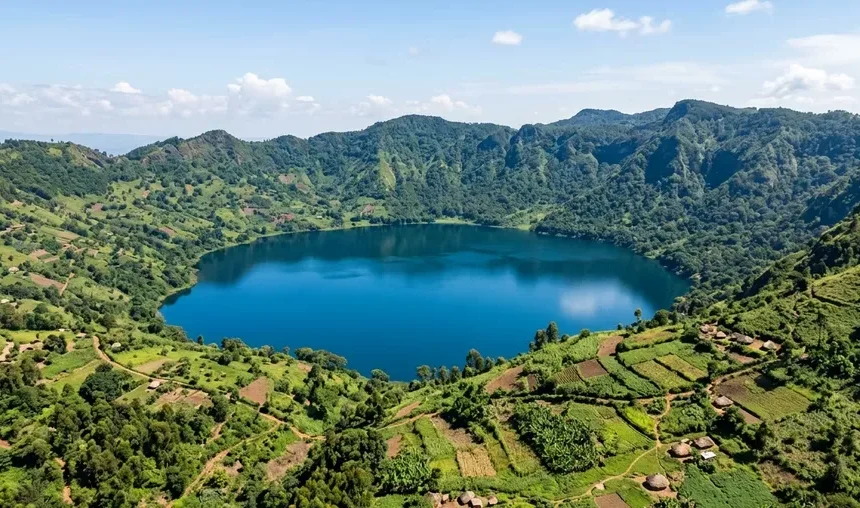
Western Uganda’s crater lakes are close enough to Fort Portal and Kibale National Park to fit into a safari day, but they feel very different from the forest trails and chimpanzee trekking routes nearby. Some sit below steep green rims. Others are ringed by farms, community campsites, lodges, banana gardens and small villages.
The crater lakes in Fort Portal and the wider Kibale area were formed by ancient volcanic activity in the Albertine Rift. Today, they are among the most scenic things to do in Fort Portal, especially for travellers who want gentle walking, local views and a slower day between wildlife activities.
This guide focuses on four lakes that work well for hiking and relaxation: Lake Nyinambuga, Lake Nkuruba, Lake Kyaninga and Lake Nyabikere.
Why the Fort Portal and Kibale crater lakes are worth adding to a safari
The Fort Portal crater lakes are part of a wider volcanic field in western Uganda, close to the Rwenzori Mountains, Kibale Forest and the tea-growing areas around Kabarole and Bunyangabu. The lakes vary in shape, access and atmosphere. Some are easy to reach by vehicle. Others are better suited to guided walks on village trails.
They complement Kibale chimpanzee trekking especially well because chimp tracking starts early and can be physically demanding. A crater lake visit works as:
- A relaxed afternoon after chimpanzee tracking
- A warm-up walk before a longer forest activity
- A scenic stop between Fort Portal and Kibale National Park
- A cultural visit with community guides, homestays or local campsites
- A photography stop during clear morning or late afternoon light
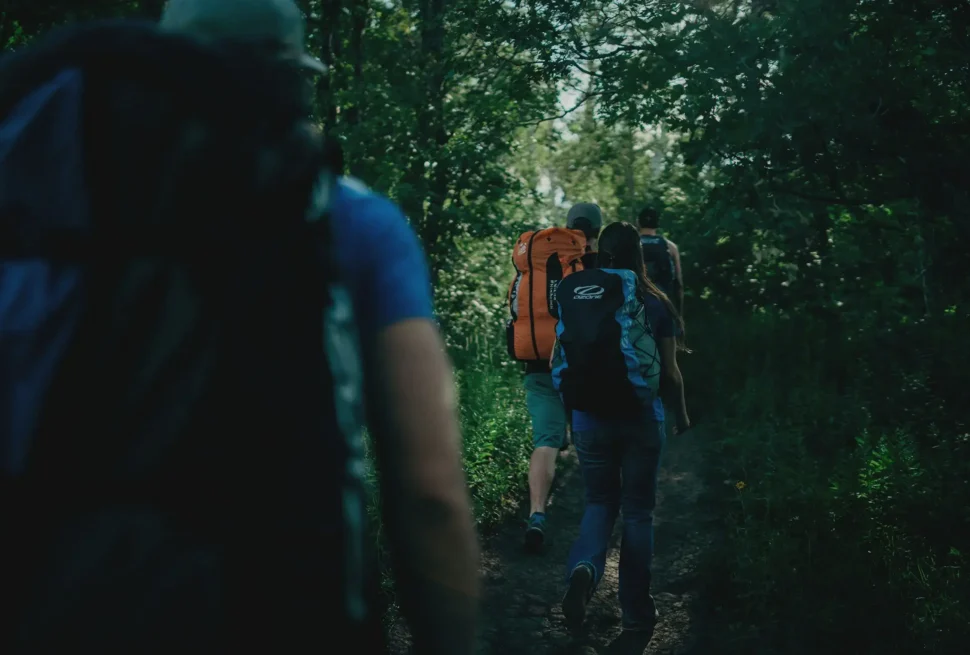
Most crater-lake walks do not require technical hiking skills. The main challenge is uneven ground, loose soil on slopes and muddy sections after rain. A local guide is strongly recommended because many paths cross community land, lodge property or small farms where access arrangements can change.
The main crater lakes to visit near Fort Portal and Kibale
Lake Nyinambuga is one of Uganda’s most photographed crater lakes
Lake Nyinambuga lies in the Kasenda crater lake area, south of Fort Portal and not far from the route toward Kibale. It is often mentioned among the most scenic crater lakes Uganda has to offer because of its rounded basin, steep green slopes and calm water.
Many travellers recognise Lake Nyinambuga from images used on Uganda’s 20,000 shilling banknote. That has made it popular with photographers, but it still feels quiet compared with Uganda’s major national parks.
The best experience here is not rushing to the viewpoint, taking one photo and leaving. A guided walk along nearby ridges gives better angles over the crater, passing small farms, banana gardens and homesteads. The area is also good for birdwatching, especially in the morning.
Best for
- Wide scenic views
- Photography
- Short ridge walks
- A calm stop between Fort Portal and Kibale
Walking difficulty
Easy to moderate. Viewpoint stops are simple if reached by vehicle, while longer community walks can include hills and slippery paths after rain.
Access note
Road conditions around the Kasenda crater field vary by season. A 4×4 is helpful in wet months. Ask locally before using minor tracks, as some lead through private or community-managed land.
Lake Nkuruba is best for community walks and forest-edge nature
Lake Nkuruba is one of the most practical lakes for travellers who want more than a viewpoint. It is known for the Lake Nkuruba Nature Reserve area and community-based tourism activities. The lake sits below a forested rim, with trails that pass through trees, cultivated land and nearby villages.
This is a good choice for crater lake hiking Uganda trips because the walks can be adapted. A short walk may focus on the rim and lakeshore. A longer route can link several nearby crater lakes, depending on trail conditions and the guide’s plan.
The area is also known for primates, especially black-and-white colobus monkeys around the forested sections. Birdlife is usually good, though sightings depend on season, time of day and disturbance.
Best for
- Community-guided walks
- Forest-edge scenery
- Birding and possible primate sightings
- Budget-friendly nature experiences
Walking difficulty
Easy to moderate. The terrain has some steep sections, but most routes can be adjusted for time and fitness.
Access note
Local guiding fees, campsite access and activity availability can change. Confirm current details before arrival, especially if visiting independently.
Lake Kyaninga is good for polished views and gentle walking
Lake Kyaninga lies north of Fort Portal near the well-known Kyaninga area. It is a striking crater lake with steep sides and clear viewpoints from the rim. The setting feels more managed than some of the rural crater lakes because parts of the area are associated with lodge access and private land.
For travellers looking for comfort, scenic dining or a gentler nature stop close to town, Lake Kyaninga works well. The rim walk, where available, offers excellent views into the lake and across the surrounding countryside. It is also a good option for travellers who have limited time in Fort Portal but still want a strong crater-lake experience.
Best for
- Scenic lodge-based relaxation
- Short walks
- Clear crater views
- A half-day trip from Fort Portal
Walking difficulty
Easy to moderate. Some paths around crater rims can be steep or narrow, so proper shoes still matter.
Access note
Do not assume all routes are open to non-residents. Check with the lodge or a local guide about day access, walking permissions and any fees before setting out.
Lake Nyabikere is convenient for Kibale chimpanzee trekking days
Lake Nyabikere sits close to the Kibale area and is one of the easiest lakes to combine with Kibale National Park activities. Its name is often translated locally as “lake of frogs,” and the area has a quieter, rural feel compared with the more photographed viewpoints near Kasenda.
This is one of the most useful Kibale crater lakes for travellers staying near the park or moving between Fort Portal and chimpanzee trekking lodges. After an early chimp trek, a gentle lakeside walk or viewpoint stop around Lake Nyabikere can be a better choice than another long drive.
The lake is also a good place to learn how local communities live around crater lakes, with farming, fishing where permitted, small trading centres and lodge-based tourism all sharing the same area.
Best for
- Short walks near Kibale
- Relaxing after chimp trekking
- Rural scenery
- Easy add-on to a Kibale itinerary
Walking difficulty
Easy for short walks, moderate if the route includes slopes, village tracks or longer loops.
Access note
As with other Kibale crater lakes, check current walking access through your lodge, guide or tour operator. Some lakeshore areas may be private, cultivated or seasonally difficult to reach.
How to combine crater lakes with Kibale chimpanzee trekking
Chimpanzee trekking in Kibale usually starts early, with visitors reporting to the briefing point before heading into the forest with Uganda Wildlife Authority guides. Trek duration varies because chimpanzees move through the forest, so the rest of the day should stay flexible.
Good combinations include:
| Safari day | Best crater-lake pairing |
| Arrival in Fort Portal | Lake Kyaninga for a short walk and relaxed views |
| Day before chimp trekking | Lake Nyabikere or Lake Nkuruba for a light walk |
| Afternoon after chimp trekking | Lake Nyabikere for a gentle lakeside stop |
| Full free day in Fort Portal | Lake Nyinambuga and Lake Nkuruba with a community guide |
| Photography-focused day | Lake Nyinambuga early or late in the day |
If chimp tracking runs longer than expected, choose a nearby lake and avoid planning a demanding hike. For most travellers, crater lakes work best as unhurried nature breaks rather than checklist stops.
Practical travel tips for crater lake hiking and relaxation
Location and accessibility
Fort Portal is the main base for many crater lake visits. The town has good access to lodges, restaurants, guides and transport. The Kasenda area, where several crater lakes sit close together, is commonly visited on the way toward Kibale. Lake Nyabikere is especially convenient for travellers staying near Kibale National Park.
Road quality varies. Main roads are usually manageable, but side roads to viewpoints and lakeshore trails can become muddy. In the rainy season, a 4×4 vehicle is safer and more reliable.
Best time to visit
The crater lakes can be visited year-round. The driest months are generally easier for walking, while rainy months bring greener scenery and softer light. In western Uganda, rains often fall around March to May and again around September to November, though weather patterns are not exact.
For photography and comfortable walking, aim for:
- Morning Cooler temperatures, clearer views and better bird activity
- Late afternoon Softer light and good conditions for relaxed viewpoints
- Midday Better for lodge stops than hikes, as it can be hot and hazy
What to bring
Pack for short hikes even if the plan sounds easy.
- Closed walking shoes with grip
- Light rain jacket
- Drinking water
- Sun hat and sunscreen
- Insect repellent
- Small cash for local guides, community fees or tips
- Camera or phone with enough battery
- Binoculars for birds and distant views
- Long trousers if walking through grass or forest-edge paths
Avoid swimming unless your guide or lodge confirms it is safe. Some crater lakes may have steep banks, unclear depth, vegetation, parasites or no safe entry point. Conditions differ from lake to lake.
Walking difficulty
Most Fort Portal hiking around crater lakes is classed as easy to moderate, but short distances can still feel tiring because crater rims are steep. Trails are often natural footpaths rather than built hiking routes.
Choose the walk based on fitness and weather:
- Easy Viewpoint stops, short lakeside walks, lodge trails
- Moderate Rim walks, community routes between lakes, hill climbs
- More demanding Longer multi-lake walks in the Kasenda area, especially after rain
A local guide adds value by choosing safe paths, explaining land access and sharing local history. Guides also help prevent accidental trespassing on farmland or private lodge property.
Local community experiences around the lakes
One of the strengths of Fort Portal tourism is how easily scenery connects with daily life. Around the crater lakes, visitors may meet farmers tending bananas, coffee, beans or tea. In some areas, community guides can arrange walks that include local stories, traditional food preparation, craft stops or visits to viewpoints managed by residents.
Lake Nkuruba is especially strong for community-based tourism. Around Lake Nyabikere and the Kasenda lakes, lodges and local guides can also arrange village walks. Keep visits respectful. Ask before taking photos of people, use local guides where possible and carry small cash for agreed fees.
For travellers searching for the Best things to do in Fort Portal Uganda, crater-lake walking gives a slower and more personal view of the region than a roadside stop alone.
Suggested one-day crater lake route from Fort Portal
A simple day plan could look like this:
Morning
Start from Fort Portal after breakfast and drive toward the Kasenda crater lake area. Visit Lake Nyinambuga first for the best light and clearer views.
Late morning
Continue to Lake Nkuruba for a guided community walk. Choose a short rim walk or a longer route depending on weather and fitness.
Lunch
Stop at a local lodge, community campsite or return toward Fort Portal, depending on your route.
Afternoon
If staying near Kibale, continue toward Lake Nyabikere for a relaxed end to the day. If staying in Fort Portal, Lake Kyaninga is a good final viewpoint and rest stop.
This route should be adjusted with a guide because road conditions, lodge access and community trail availability can change.
FAQs about Fort Portal and Kibale crater lakes
Are the crater lakes near Fort Portal easy to visit?
Yes, many are manageable as half-day or full-day trips from Fort Portal. Some viewpoints are easy to access by vehicle, while others need a guide and walking on village paths.
Which crater lake is best for photography?
Lake Nyinambuga is one of the best-known photography stops because of its rounded crater shape and high viewpoints. Lake Kyaninga also offers excellent scenic views when access is available.
Can crater lakes be visited after Kibale chimpanzee trekking?
Yes. Lake Nyabikere is especially convenient after chimp trekking in Kibale National Park. Keep the plan light because chimp tracking time and walking effort can vary.
Is swimming allowed in the crater lakes?
Do not assume swimming is safe or allowed. Ask a trusted local guide, lodge or tour operator first. Some lakes have steep banks, unclear depth or health risks.
Do I need a guide for crater lake walks?
A guide is strongly recommended. Many trails cross community land or private property, and a guide can explain access, choose safe routes and add local context.
What is the best time of day for crater lake hiking?
Morning is best for cooler weather, clearer views and bird activity. Late afternoon is also good for photography. Midday can be hot, especially on exposed crater rims.
How difficult is crater lake hiking in Fort Portal?
Most walks are easy to moderate, but crater slopes can be steep. Rain can make paths slippery, so proper shoes are useful even for short walks.
Which lakes work best with a Kibale itinerary?
Lake Nyabikere is the most convenient for Kibale stays. Lake Nkuruba and Lake Nyinambuga also combine well with the Fort Portal to Kibale route, depending on timing.
Final travel advice
The crater lakes around Fort Portal and Kibale are not all the same, and that is what makes them rewarding. Lake Nyinambuga gives classic crater views. Lake Nkuruba suits community walks and nature trails. Lake Kyaninga works well for polished scenery close to Fort Portal. Lake Nyabikere is the practical choice for travellers linking relaxation with Kibale chimpanzee trekking.
For the best experience, travel with flexible timing, use local guides and confirm current access before visiting specific trails or lodge-managed viewpoints. That way, the crater lakes become more than a scenic stop. They become one of the most memorable parts of a western Uganda safari.