A gorilla trek in eastern Democratic Republic of the Congo feels different from almost anywhere else in Africa. The forest is thicker, the trails are quieter, and the mountains rise through mist like something older than memory.
Kahuzi Biega National Park sits near Bukavu in South Kivu, not far from the shores of Lake Kivu. It is named after two extinct volcanoes, Mount Kahuzi and Mount Biega, and protects a rare mix of montane forest, bamboo, swamp, and lowland rainforest. That range of habitats is the reason the park is so special. Few places hold such rich biodiversity across such dramatic terrain.
For travelers, the headline experience is seeing Grauer’s gorillas, also known as eastern lowland gorillas. Yet the park is more than a gorilla destination. It is a UNESCO World Heritage Site, a rugged hiking area, a birding hotspot, and a living example of why conservation in Central Africa matters.
Why this park is one of Africa’s great wild places
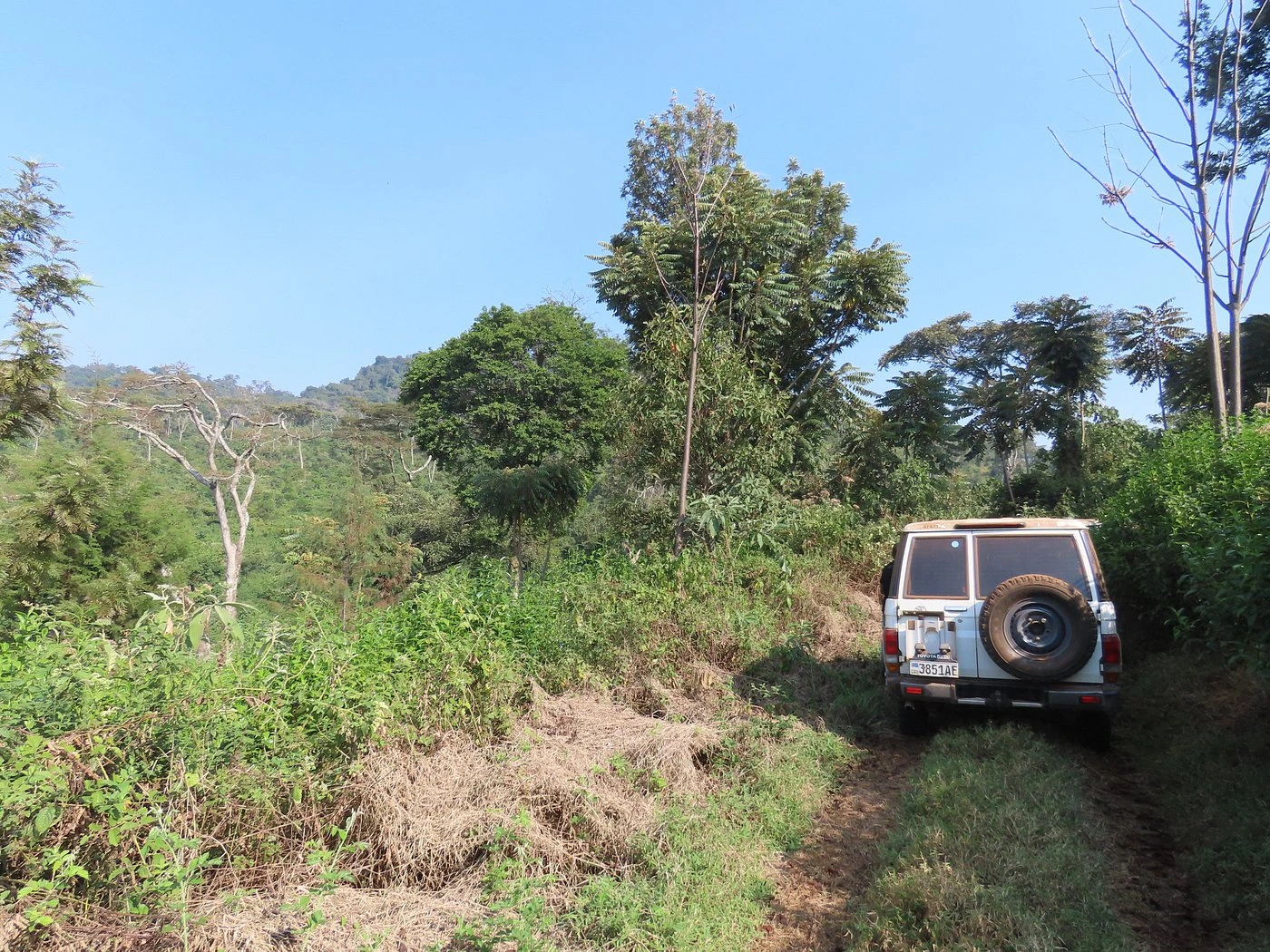
Kahuzi Biega protects a huge spread of forest in eastern DRC, from higher mountain zones near Bukavu to lower rainforest farther west. This elevation range gives the park an unusual ecological depth. A single protected area can contain cool cloud forest, bamboo stands, wetlands, and warm lowland jungle.
That variety supports an impressive mix of life. The park is known for:
- Grauer’s gorillas
- Chimpanzees and other primates
- Forest elephants, though sightings are rare
- Forest antelope and small mammals
- A rich variety of birds, including Albertine Rift species
- Ferns, orchids, giant trees, and bamboo groves
The Albertine Rift is one of Africa’s most biodiverse regions. Its mountains, lakes, and forests create pockets of habitat where species evolve in relative isolation. That is why birders, botanists, conservationists, and wildlife travelers pay close attention to this part of the continent.
The scenery also sets the park apart. Trails can pass through soft mud, mossy trunks, tangled vines, and sudden openings where the forest drops away toward deep valleys. On clear days, the views stretch across the green folds of South Kivu. On misty days, the atmosphere is even better.
The gorillas of Kahuzi Biega
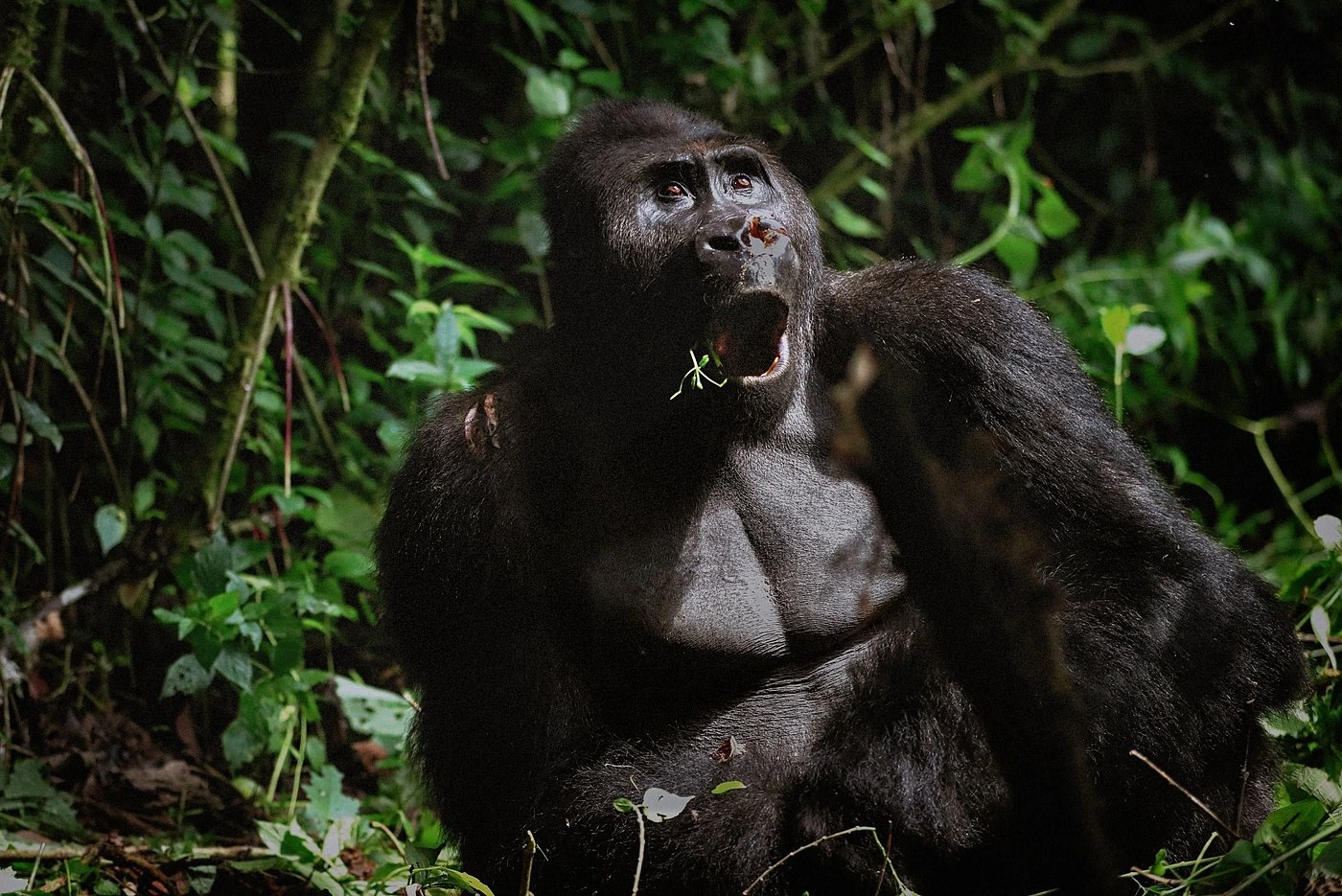
The park is one of the most important refuges for Grauer’s gorillas, the largest gorilla subspecies. They differ from mountain gorillas in build, habitat, and range. Grauer’s gorillas live only in eastern DRC, which makes their protection especially urgent.
Visitors usually come to see habituated gorilla families in the highland sector of the park. Habituation means the gorillas have gradually grown used to the presence of trained rangers and small visitor groups. This process takes time and care. It allows tourism to support conservation while keeping stress on the animals as low as possible.
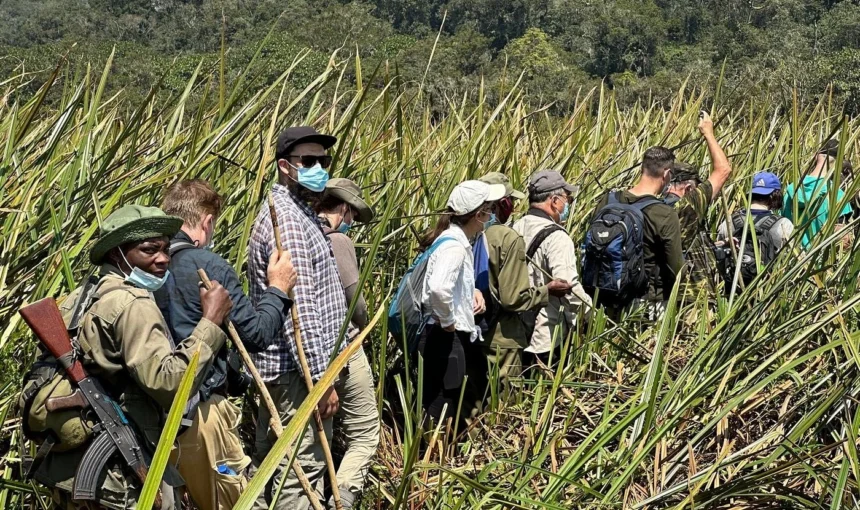
A gorilla trek can be short or demanding. The experience depends on where the gorillas are feeding that morning. Some groups may be close to the trailhead. Others may require several hours of hiking through thick forest. Rangers and trackers head out early, read signs in the forest, and guide visitors to the group when conditions allow.
Once with the gorillas, the pace changes. The forest becomes quiet. A silverback may sit with calm authority among the leaves. Juveniles may wrestle, climb, or tumble near their mothers. Adults feed steadily, pulling stems and leaves with practiced ease.
Strict rules protect both humans and gorillas:
- Keep the required distance from the gorillas
- Stay with the ranger group
- Avoid sudden movements and loud voices
- Do not visit if sick
- Follow limits on time spent with the gorillas
- Never eat near the animals
These rules can feel strict, but they are essential. Gorillas can catch human illnesses, and even mild infections may be dangerous for them.
Hiking trails and outdoor experiences
Kahuzi Biega is not only about wildlife viewing. Its highland sector offers some of the most rewarding hiking in the region. Trails vary in difficulty, and conditions can change quickly with rain, mud, and elevation.
Hiking Mount Kahuzi
Mount Kahuzi is one of the park’s signature hikes. The trail leads through forest and bamboo before climbing toward higher, cooler terrain. The summit area can reward hikers with wide views when the weather is clear.
This is a serious day hike rather than a casual stroll. Expect mud, roots, steep sections, and changing temperatures. A guide is required, and local rangers know the route, weather patterns, and safety procedures.
Hiking Mount Biega
Mount Biega is the other volcanic peak that gives the park its name. It is less commonly visited than Mount Kahuzi, and access may depend on current park conditions and ranger guidance. Travelers interested in more remote routes should check ahead rather than assume all trails are open.
Forest walks and waterfall trails
Shorter guided walks may focus on forest ecology, birds, plants, or waterfalls. These can be a good option for visitors who want to enjoy the park without committing to a full summit hike. The forest rewards slow attention. Look for fungi on fallen logs, bright insects, orchids, and birds moving through the canopy.
Birdwatching is especially strong in the area. Even non-birders may notice turacos, sunbirds, hornbills, and forest calls that seem to come from every direction.
What hiking in the park feels like
Trails are usually natural, not polished. That is part of the appeal. Footing can be slippery, and rain can turn a mild route into a demanding one. Good boots matter. So does patience.
The best approach is to treat every walk as a guided forest experience rather than a race to a viewpoint. The rangers often notice things visitors would miss, such as fresh tracks, medicinal plants, bird calls, or signs of gorilla movement.
Conservation work and why it matters
Kahuzi Biega’s beauty exists alongside real pressure. The park has faced serious threats over the years, including poaching, habitat loss, illegal mining, armed insecurity in the wider region, and conflict over land and resources. Conservation here is not abstract. It is daily, difficult work.
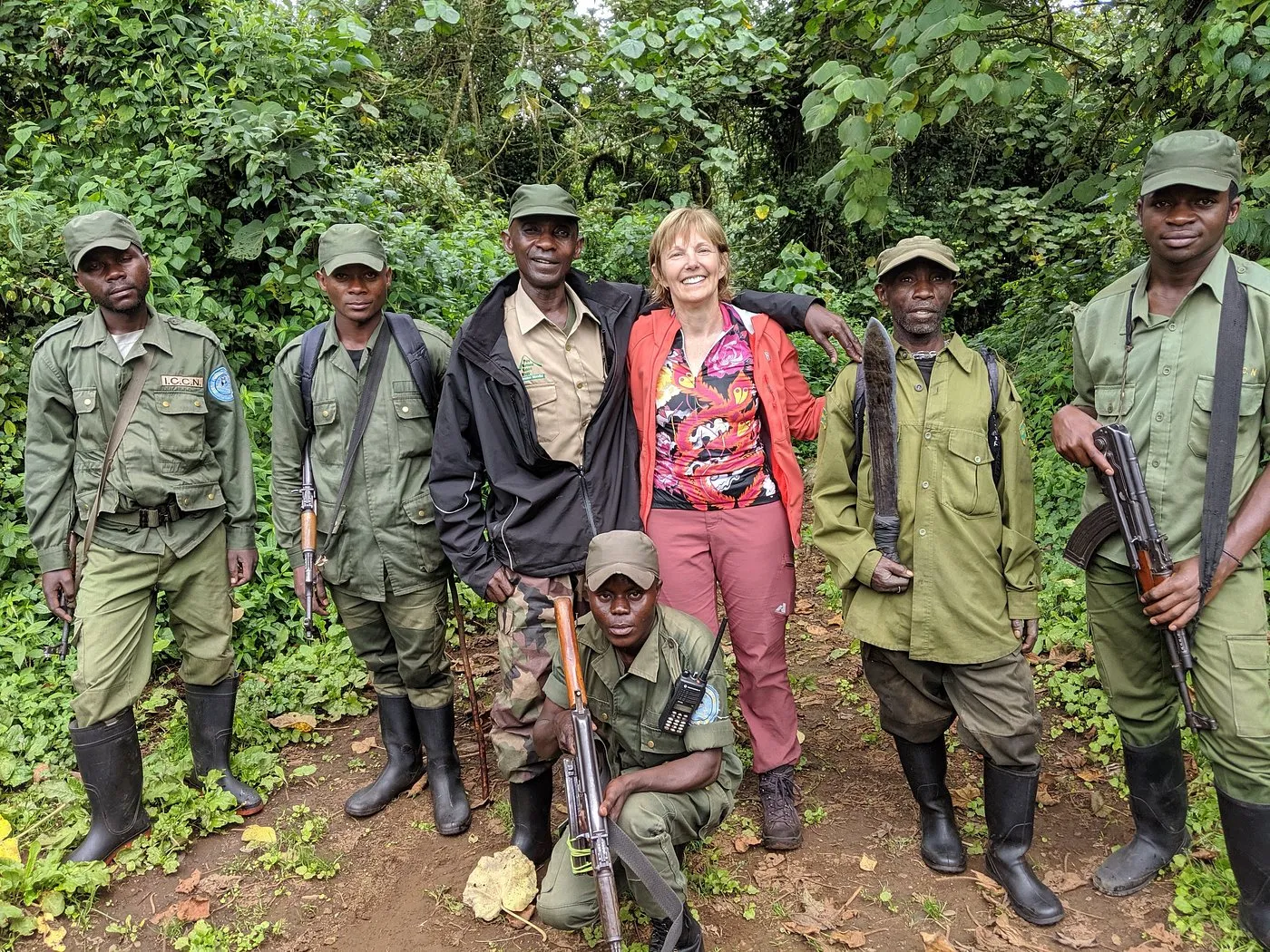
The Congolese park authority, commonly known as ICCN, works with rangers, conservation partners, scientists, and neighboring communities to protect wildlife and habitat. Their work can include:
- Ranger patrols and anti-poaching efforts
- Gorilla monitoring and health observation
- Habitat protection
- Community outreach
- Research on wildlife populations
- Support for responsible tourism
Tourism can help when managed well. Gorilla permits, guide fees, and park visits create income tied to keeping wildlife alive and forests standing. Local employment also matters. Guides, trackers, drivers, lodge staff, porters, and community businesses all form part of the wider conservation picture.
That said, responsible travel is essential. Visitors should use legitimate operators, respect park rules, avoid buying wildlife products, and listen to local guidance. Conservation in this region depends on trust, safety, and long-term support.
Best times to visit
The park can be visited at different times of year, but the dry seasons are usually the most comfortable for trekking and hiking.
The best general windows are:
| Season | Typical conditions | Best for |
| June to September | Drier trails and clearer hiking conditions | Gorilla trekking, volcano hikes, photography |
| December to February | Another relatively drier period | Wildlife viewing and forest walks |
| March to May | Wetter conditions and muddier trails | Fewer visitors, lush forest scenery |
| October to November | Rain is more likely | Flexible travelers and birding |
Rain can fall at any time in a tropical mountain forest, even in a dry season. Pack for wet conditions no matter when you go.
For gorilla trekking, the drier months usually make walking easier. For photography, misty mornings can be beautiful, but camera protection is a must. Birders may enjoy wetter periods too, though trails can be more challenging.
Practical travel tips for planning a visit
A trip to eastern DRC needs more planning than a standard safari route. Conditions can change, so current local advice matters.
Start in Bukavu
Most visits to the park’s highland sector start from Bukavu, a city on the southern edge of Lake Kivu. Travelers often reach Bukavu from Rwanda via the border near Cyangugu, also known as Rusizi, or through domestic and regional routes depending on current options.
Bukavu is the usual base for arranging permits, meeting guides, and traveling to the park entrance. Stay overnight before your trek so you are not rushing on the morning of the visit.
Book permits and guides in advance
Gorilla permits are required, and visitor numbers are limited. Book through official channels or a trusted local operator. This helps avoid confusion and supports proper park management.
For hikes, ask which trails are open and what level of fitness is needed. Conditions may vary due to weather, maintenance, or security guidance.
Check safety advice before traveling
Eastern DRC is a region where security conditions can shift. Before booking, check current travel advisories from your government and get updated local information from reliable operators or park contacts.
Responsible operators will be honest about what is possible. If plans need to change, follow local guidance.
Pack for mud, rain, and cool air
Even when the day starts warm, the forest and higher slopes can feel cool and damp. Bring practical gear rather than stylish travel clothing.
Useful items include:
- Waterproof hiking boots with good grip
- Lightweight rain jacket
- Long pants and long sleeves
- Garden or trekking gloves for grabbing vines and branches
- Gaiters or long socks
- Insect repellent
- Reusable water bottle
- Small daypack
- Waterproof bag for camera gear and documents
- Cash in small bills for tips and local costs
Avoid bright clothing if possible. Neutral colors are better for wildlife viewing and forest travel.
Prepare for gorilla trekking etiquette
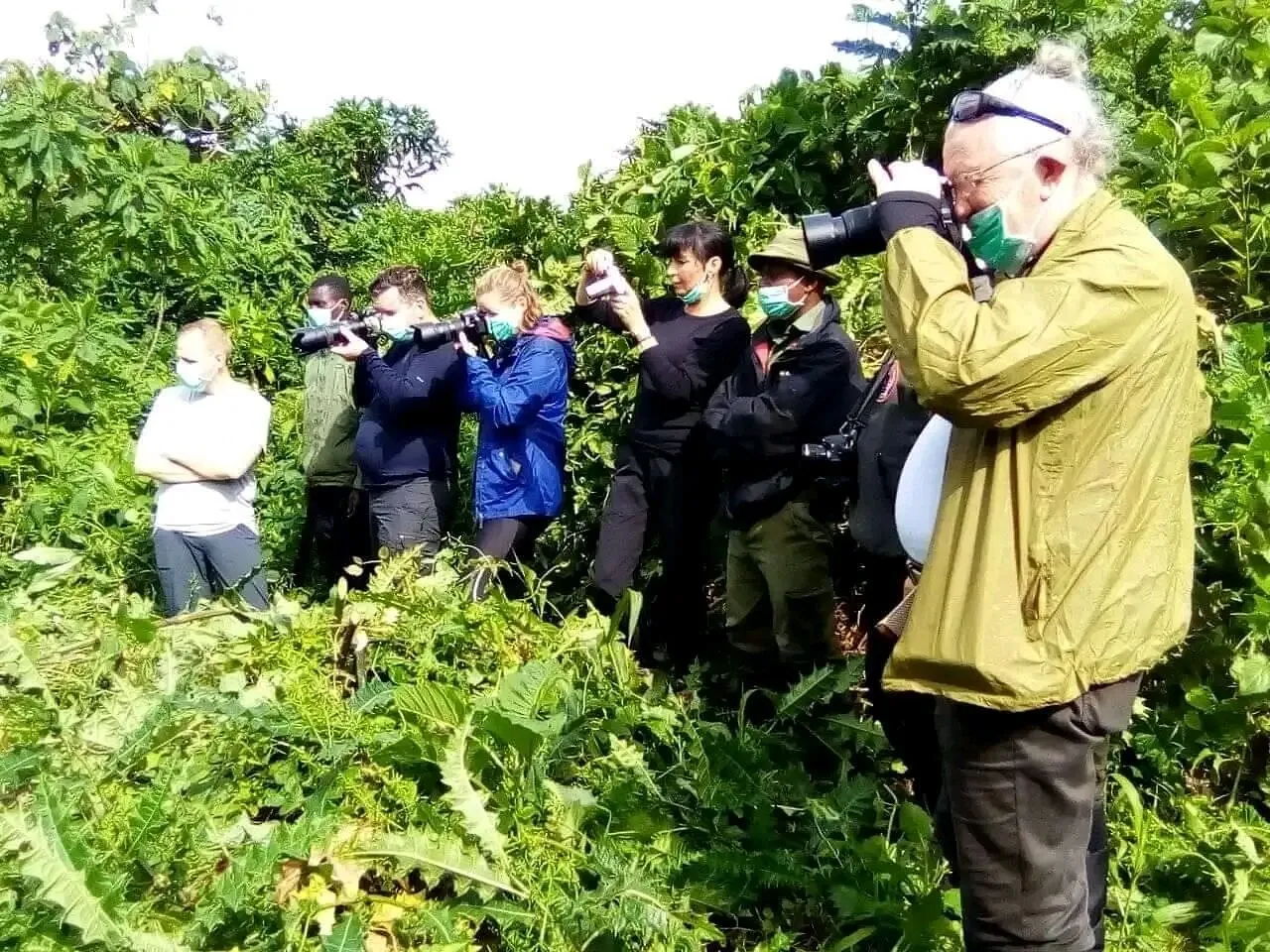
A gorilla trek is exciting, but it is not a zoo visit. The animals decide the rhythm. Sometimes they rest in open sight. Sometimes they feed behind leaves. Sometimes photography is easy, and sometimes the forest makes it tricky.
Good etiquette makes the experience better:
- Keep voices low
- Turn off camera sounds
- Do not use flash
- Give rangers space to manage the visit
- Be patient when visibility is limited
- Tip guides and trackers if service is good and tipping is appropriate locally
Think beyond the gorilla hour
Many travelers focus only on the time with gorillas, but the full day matters. The walk through the forest, the ranger briefing, the changing plant life, and the sounds of birds and insects all shape the experience.
If time allows, add an extra day for hiking or a forest walk. It gives a fuller sense of the park and spreads tourism income beyond one activity.
A simple sample itinerary
A short visit can still be rewarding if planned well.
| Day | Plan |
| Day 1 | Arrive in Bukavu, confirm permits, meet your operator or guide |
| Day 2 | Gorilla trek in the highland sector, return to Bukavu |
| Day 3 | Hike Mount Kahuzi or take a guided forest walk, then depart or stay another night |
With more time, add Lake Kivu, community visits arranged through responsible operators, or extra birding and hiking days. Keep the schedule flexible. Weather, road conditions, and park guidance can affect timing.
FAQ
Is Kahuzi Biega safe to visit?
Safety conditions in eastern DRC can change. Check current travel advisories and work with a reputable local operator before booking. Follow park and local guidance at all times.
What gorillas can you see in the park?
The park is known for Grauer’s gorillas, also called eastern lowland gorillas. They are found only in eastern DRC and are critically endangered.
Do I need to be very fit for gorilla trekking?
A moderate level of fitness helps. Some treks are short, while others involve steep, muddy forest trails. Rangers adjust the pace, but visitors should be ready for uneven ground.
When is the best time for hiking?
June to September and December to February are usually the best periods for easier trail conditions. Rain is still possible, so waterproof gear is always useful.
Can I visit without a guide?
No. Park activities such as gorilla trekking and hiking require official guides or rangers. This protects visitors, wildlife, and the park.
Why this journey stays with you
Kahuzi Biega is not the easiest park to visit, and that is part of what makes it powerful. It asks for planning, patience, and respect. In return, it offers rare wildlife, ancient forest, volcanic trails, and a close look at one of Africa’s most important conservation areas.
Go for the gorillas, but leave room for everything else: the mist in the bamboo, the calls in the canopy, the rangers reading the trail, and the feeling of standing in a forest that still holds wild mysteries.