Frequently Asked Questions
Frequently Asked Questions (FAQs)

General FAQs
How do I book a tour with Nturo Safaris?
Booking your safari with Nturo Safaris is simple. Browse our safari packages and send us an inquiry through our website, email, or WhatsApp. Once we receive your request, our travel experts will discuss your preferred dates, destinations, budget, and travel style before sending you a customized itinerary and quotation. Your booking is confirmed after availability is verified, the required deposit is paid, and you receive your confirmation invoice and final itinerary.
Can I customize a tour or itinerary?
Yes. Every traveler is different, and we are happy to tailor your safari to suit your interests, budget, schedule, and travel preferences. Whether you want to spend more time with mountain gorillas, include chimpanzee trekking, add a beach holiday, or combine several East African countries, our local safari experts will create an itinerary that matches your travel goals.
What if I need to cancel or reschedule my trip?
If your travel plans change, please contact us as soon as possible. We will do our best to help you reschedule your safari, subject to the availability of accommodations, permits, and other services. Cancellation and amendment charges may apply depending on how close your departure date is, while some services such as gorilla permits and flights may not be refundable according to supplier policies. Full details are available in our booking terms and conditions.
Is it safe to travel with Nturo Safaris?
Yes. Your safety and comfort are our top priorities. We work with experienced local driver-guides, well-maintained safari vehicles, and carefully selected accommodations across Uganda, Rwanda, Kenya, Tanzania, Burundi, and the Democratic Republic of Congo. We also monitor local travel conditions and park updates to ensure your safari runs safely and smoothly throughout your journey.
Do you offer support during the trip?
Absolutely. From the moment you book until your safari ends, our team is available to assist you. Your dedicated safari consultant and driver-guide remain in touch throughout your trip, and our office provides ongoing support should you need assistance with your itinerary, accommodation, transport, or any unexpected situations during your adventure.
Are flights included in the trip packages?
Most of our safari packages do not include international flights unless stated in the itinerary. However, we can arrange domestic flights within East Africa and assist you with international flight recommendations upon request. Each itinerary clearly lists what is included and excluded, so you know exactly what to expect before confirming your booking.
Booking & Cancellation FAQs
How do I modify my booking?
If you need to change your safari itinerary, travel dates, accommodation, or any other booking details, simply send your request to us in writing as early as possible. Only the person who made the original booking can request changes. A USD 50 administration fee applies to each amendment, together with any additional costs resulting from the changes. Please note that some services, such as gorilla permits and certain flights, may not be changeable after they have been confirmed.
Can I cancel my trip after booking?
Yes. If you need to cancel your safari, please notify us in writing. Refunds depend on how far in advance you cancel your trip. Cancellations made more than 90 days before departure receive a full refund, while cancellations made closer to the travel date may incur charges. Gorilla permits, domestic flights, and certain peak-season bookings are generally non-refundable once purchased. Please refer to our Terms and Conditions for the full cancellation policy.
Can I transfer my booking to someone else?
Yes, in many cases you can transfer your booking to another traveler. You must notify Nturo Safaris in writing at least seven days before departure. The replacement traveler must meet all travel requirements, and any additional costs or supplier charges resulting from the transfer will be the responsibility of the original booking holder. Transfers are subject to the availability and policies of our accommodation, airlines, and permit providers.
What if the trip is canceled by Nturo Safaris?
Although it is very rare, if Nturo Safaris has to cancel your safari due to circumstances beyond our control or operational reasons, we will offer you the choice of rescheduling your trip to a later date or receiving a refund for the services paid to us, subject to supplier policies. We will always work with you to find the best possible solution and minimize any inconvenience.
Are last-minute bookings allowed?
Yes. We accept last-minute safari bookings whenever availability allows. However, gorilla trekking permits, accommodations, and domestic flights often sell out well in advance, especially during the high season. We recommend booking as early as possible, but if you’re planning a spontaneous trip, contact our team and we’ll do our best to arrange your safari.
Can I add extras after booking?
Absolutely. You can add extra activities, accommodation upgrades, airport transfers, additional nights, domestic flights, cultural experiences, or other services after confirming your booking, subject to availability. Our safari consultants will be happy to update your itinerary and provide a revised quotation before the changes are confirmed.
Policies & Safety FAQs
Is it safe to travel with Nturo Safaris?
Yes. Your safety is our highest priority. We work with experienced professional driver-guides, reliable safari vehicles, trusted accommodations, and licensed local partners across Uganda, Rwanda, Kenya, Tanzania, Burundi, and the Democratic Republic of Congo. We also monitor local travel conditions and follow park authority guidelines to ensure every safari is conducted safely and responsibly.
Do I need travel insurance?
Yes. We strongly recommend that all travelers purchase comprehensive travel insurance before their trip. Your policy should cover medical emergencies, trip cancellation, delays, lost luggage, personal belongings, evacuation, and activities such as gorilla trekking or hiking where applicable. Travel insurance provides valuable protection against unexpected events during your safari.
Are gorilla trekking permits included in the safari price?
Most of our gorilla trekking packages include the required gorilla permit, but this will always be clearly stated in the itinerary. If the permit is included, the cost is listed in your quotation. If it is excluded, we can arrange it for you upon request, subject to availability.
What health requirements should I know before traveling?
Some East African countries require proof of a Yellow Fever vaccination, especially if you are traveling between countries. Depending on your itinerary, your doctor may also recommend malaria prevention medication and routine travel vaccinations. We advise consulting your healthcare provider several weeks before your departure.
What happens if weather affects my safari?
Safaris operate throughout the year, and wildlife viewing continues in all seasons. In rare cases where heavy rain or other weather conditions affect certain activities, we will adjust your itinerary where possible to ensure your trip continues smoothly. Our team will always keep you informed and provide the best available alternatives.
What should I do in case of an emergency during my safari?
If an emergency occurs during your trip, your driver-guide will provide immediate assistance and contact our operations team. Nturo Safaris offers 24/7 on-trip support and will coordinate with local authorities, medical providers, or accommodation partners whenever necessary to ensure you receive the help you need.
Are your guides licensed and experienced?
Yes. All Nturo Safaris driver-guides are experienced professionals with extensive knowledge of East Africa’s wildlife, culture, and destinations. They are trained in safe driving, customer service, and responsible tourism to ensure you enjoy a safe, informative, and memorable safari experience.
Does Nturo Safaris promote responsible tourism?
Absolutely. We are committed to sustainable and responsible tourism by supporting local communities, respecting wildlife and protected areas, promoting conservation, and partnering with locally owned businesses wherever possible. We encourage all our guests to follow park regulations and travel responsibly to help preserve East Africa’s natural heritage for future generations.
Gorilla Trekking FAQs
Where is the best place for gorilla trekking in East Africa?
The best places for gorilla trekking in East Africa are Bwindi Impenetrable National Park and Mgahinga Gorilla National Park in Uganda, Volcanoes National Park in Rwanda, and Virunga National Park in the Democratic Republic of Congo. Nturo Safaris offers guided gorilla trekking tours to all these destinations, helping you choose the best option based on your budget, travel dates, and experience.
How much does gorilla trekking cost in Uganda and Rwanda?
The cost of gorilla trekking depends on the destination. Uganda gorilla permits cost USD 800 per person for foreign non-residents, while Rwanda gorilla permits cost USD 1,500 per person. The total safari price also depends on accommodation, transportation, and the length of your itinerary.
What is included in a gorilla trekking safari?
Most gorilla trekking safaris with Nturo Safaris include your gorilla permit, accommodation, transportation in a 4×4 safari vehicle, a professional English-speaking driver-guide, park entrance fees where applicable, meals as stated in the itinerary, bottled drinking water, and airport transfers. Every itinerary clearly lists its inclusions and exclusions before booking.
How difficult is gorilla trekking in Uganda or Rwanda?
Gorilla trekking can be easy, moderate, or challenging depending on the location of your assigned gorilla family. Treks may last from one to six hours through forests, hills, and uneven terrain. A reasonable level of fitness is recommended, and porters are available to assist throughout the trek.
What should I wear for gorilla trekking?
For gorilla trekking, wear long trousers, a long-sleeved shirt, waterproof hiking boots, gardening gloves, and a lightweight rain jacket. Carry drinking water, insect repellent, sunscreen, and a small backpack. Neutral-colored clothing is recommended for comfort and practicality in the forest.
When is the best time for gorilla trekking in Uganda?
Gorilla trekking is available throughout the year, but the best months are June to September and December to February, when trails are generally drier and easier to hike. The rainy seasons are also rewarding, with fewer visitors and lush forest scenery.
How close can you get to mountain gorillas?
Visitors must maintain a minimum distance of 7 meters (23 feet) from the mountain gorillas whenever possible. However, gorillas are wild animals and may sometimes move closer on their own. All visitors must follow the instructions of Uganda Wildlife Authority or park rangers throughout the experience.
How long do you spend with the gorillas?
After locating the gorilla family, visitors are allowed one hour to observe, photograph, and learn about these endangered primates in their natural habitat. This rule helps protect the gorillas while providing an unforgettable wildlife experience.
Is gorilla trekking safe?
Yes. Gorilla trekking is considered very safe when conducted with licensed guides and park rangers. Every trek begins with a safety briefing, and armed rangers accompany visitors throughout the experience. Mountain gorillas are habituated to human presence, making encounters safe when park regulations are followed.
What is the minimum age for gorilla trekking?
The minimum age for gorilla trekking in Uganda, Rwanda, and the Democratic Republic of the Congo is 15 years. This regulation helps protect both visitors and the endangered mountain gorillas.
Can seniors go gorilla trekking?
Yes. Gorilla trekking is suitable for many senior travelers. Sedan chairs, porter services, and easier gorilla groups can often be arranged to make the trek more comfortable. Nturo Safaris can recommend the most suitable trekking sector based on your fitness level.
How far in advance should I book a gorilla trekking safari?
We recommend booking your gorilla trekking safari 3 to 6 months in advance, especially during the peak seasons of June to September and December to February. Gorilla permits are limited and often sell out quickly.
Which country is better for gorilla trekking, Uganda or Rwanda?
Uganda is popular for its excellent value, offering two gorilla trekking parks and a wide range of safari experiences. Rwanda is known for shorter travel times from Kigali and luxury lodges. Nturo Safaris operates gorilla tours in both countries and can recommend the best destination based on your budget and travel plans.
Can I combine gorilla trekking with a wildlife safari?
Yes. Many travelers combine gorilla trekking with wildlife safaris in Queen Elizabeth National Park, Murchison Falls National Park, Kibale National Park, Lake Mburo National Park, Akagera National Park, or the Serengeti and Masai Mara for a complete East African safari experience.
Why book your gorilla trekking safari with Nturo Safaris?
Nturo Safaris is a trusted local tour operator based in Uganda, offering tailor-made gorilla trekking tours and wildlife safaris across East Africa. Our experienced local guides, personalized itineraries, transparent pricing, and 24/7 travel support ensure a seamless and memorable safari from arrival to departure.
On the Trip FAQs
What should I pack for an African safari?
Pack lightweight, neutral-colored clothing, comfortable walking shoes, a hat, sunscreen, insect repellent, sunglasses, a reusable water bottle, binoculars, a camera, and any personal medications. If your safari includes gorilla or chimpanzee trekking, bring waterproof hiking boots, a rain jacket, and gardening gloves.
Can I charge my phone and camera during the safari?
Yes. Most safari vehicles have charging ports, and nearly all lodges and camps provide electricity for charging phones, cameras, and other small electronic devices. Some remote camps may only have power during certain hours, so carrying a power bank is recommended.
What type of vehicles does Nturo Safaris use?
Nturo Safaris uses comfortable 4×4 safari vehicles designed for African road conditions. Our vehicles feature pop-up roofs for game viewing, comfortable seating, air conditioning where available, and ample luggage space to ensure a safe and enjoyable safari experience.
What kind of accommodation can I expect on safari?
We offer budget, mid-range, luxury, and exclusive safari lodges depending on your travel style and budget. All accommodations are carefully selected for their comfort, hospitality, safety, and convenient location near national parks and major attractions.
Will I have internet or mobile network during my safari?
Most hotels, lodges, and camps offer Wi-Fi, although speeds may vary in remote locations. Mobile phone coverage is available in many parts of Uganda, Rwanda, Kenya, Tanzania, Burundi, and the Democratic Republic of Congo, but signal strength may be limited inside some national parks.
Can dietary requirements be accommodated?
Yes. We can arrange vegetarian, vegan, halal, gluten-free, and other special meals with advance notice. Please let us know about any dietary requirements or food allergies when confirming your booking so we can make the necessary arrangements throughout your safari.
How much should I tip on safari?
Tipping is optional but greatly appreciated. As a general guide, many travelers tip USD 10–20 per day for driver-guides and smaller amounts for lodge staff, porters, and restaurant attendants. The amount is entirely at your discretion and should reflect the level of service you receive.
Is drinking water provided during the safari?
Yes. Complimentary bottled drinking water is provided in our safari vehicles throughout your journey. We also encourage travelers to carry a reusable water bottle to stay hydrated and reduce plastic waste.
Can I do laundry during my safari?
Yes. Most mid-range and luxury lodges offer laundry services for an additional fee, while some high-end lodges include it in the room rate. Laundry services may not be available at certain budget camps or during overnight stays in very remote areas.
What happens if we see dangerous animals during a game drive?
Your driver-guide is trained to safely approach wildlife while following park regulations. Always remain inside the safari vehicle unless instructed otherwise by your guide or park rangers. Animals are accustomed to safari vehicles, and following your guide’s instructions ensures a safe and enjoyable wildlife viewing experience.
Get Inspired for your African Safari
Browse our already made tours for travel inspiration.
Talk To an Expert
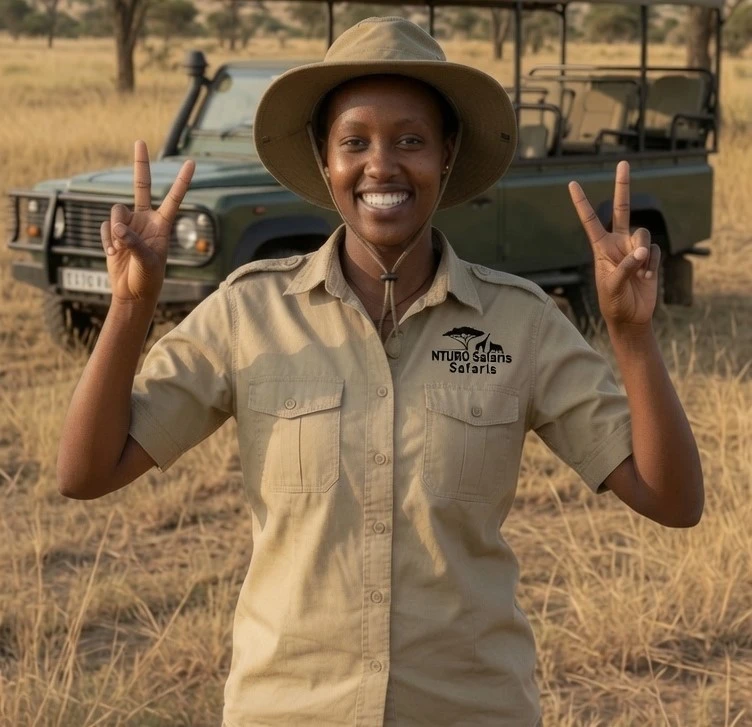
Anita Muhoza
Safari Guide & Specialist
“Let us plan your next adventure – your safari begins with one message.”
