Kenya Wildlife Safaris - Africa’s Premier Safari Experience
Kenya is one of Africa’s best destinations for wildlife safaris, with the Maasai Mara, Amboseli, Tsavo, and Lake Nakuru offering excellent game viewing. Experience Kenya safari tours, national parks, Big Five wildlife, and the Great Migration while enjoying well-planned safaris with experienced safari guides.
Safaris of Kenya - The Home of the Big 5
Kenya is the kind of place where every safari feels different. Watch lions and elephants on the plains of the Maasai Mara, see huge herds against the backdrop of Mount Kilimanjaro in Amboseli, or follow the Great Migration across the Mara. Away from the parks, discover Maasai culture, explore Nairobi, and finish your trip on the beaches of Diani or Mombasa. With wildlife, culture, adventure, and beach time all in one country, Kenya safari tours are easy to shape around the way you want to travel.
Custom-Made Kenya Wildlife Safaris
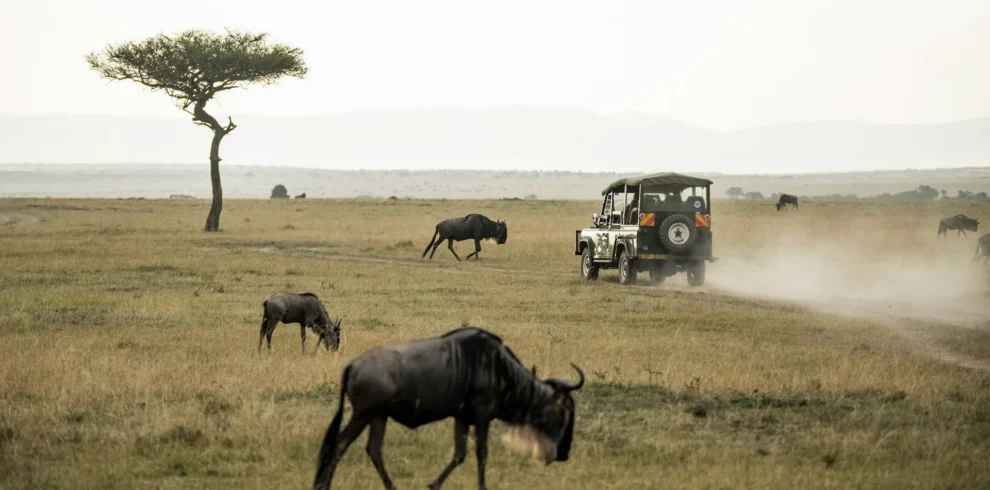
Visit three of Kenya's most iconic safari destinations on this...
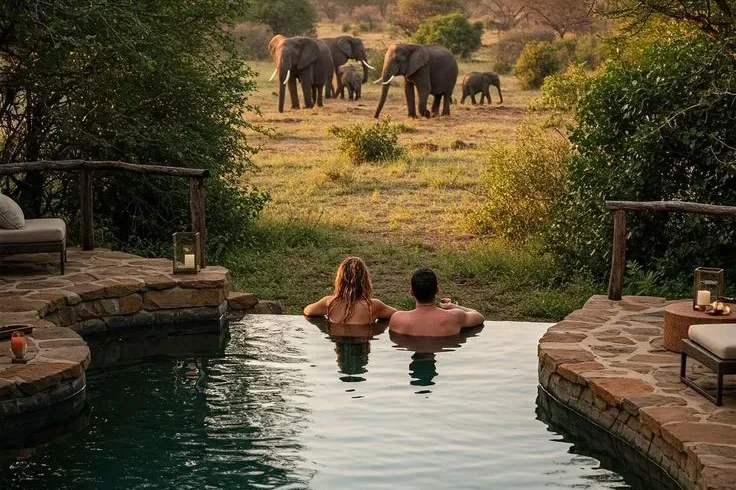
This is a 4-day group tour that takes you around...
Kenya Wildlife Safaris FAQs
Kenya has several excellent safari destinations, each offering something different. The Maasai Mara is best known for the Big Five and Great Migration, while Amboseli is famous for elephants and views of Mount Kilimanjaro. Tsavo East and Tsavo West offer large wilderness areas and varied landscapes, while Lake Nakuru is known for rhinos and birdlife. Samburu is another good choice for northern Kenya wildlife and the Samburu Special Five.
June to October is generally a good time for a Kenya wildlife safari because the weather is drier and wildlife is easier to spot in many parks. July to October is particularly popular in the Maasai Mara because of the Great Migration. However, January to February can also offer excellent game viewing, while the March to May and November green seasons bring fewer visitors, lush vegetation, and good birdwatching.
The Great Migration usually reaches Kenya’s Maasai Mara between July and October, although the exact timing changes each year depending on rainfall and grazing conditions. Large herds of wildebeest, zebras, and other animals move into the Mara from Tanzania’s Serengeti. The famous Mara River crossings can occur during this period, but they are a natural event and cannot be guaranteed on a particular day.
Yes. Kenya is one of Africa’s well-known Big Five safari destinations, with opportunities to see lions, leopards, elephants, buffaloes, and rhinos. The Maasai Mara is particularly strong for lions, leopards, and cheetahs, while Amboseli is known for elephants and Lake Nakuru offers good opportunities to see rhinos. Wildlife sightings are never guaranteed, as animals move freely through their natural habitats.
A Maasai Mara safari can produce sightings of lions, cheetahs, leopards, elephants, buffaloes, giraffes, zebras, wildebeest, hyenas, hippos, and many antelope species. The reserve is especially known for its large predator population and open grasslands, which make wildlife easier to observe. During the Great Migration, the number of wildebeest and zebras in the Mara increases considerably.
Yes. You do not need to visit during the Great Migration to have a good Maasai Mara safari. Resident wildlife remains in the reserve throughout the year, including lions, elephants, cheetahs, giraffes, buffaloes, and numerous antelope species. Visiting outside the July to October peak can also mean fewer vehicles and lower accommodation rates, depending on the season and camp you choose.
Amboseli National Park is best known for its large elephant herds and views of Mount Kilimanjaro across the border in Tanzania. The park’s wetlands, open plains, and seasonal habitats support elephants, lions, cheetahs, buffaloes, giraffes, zebras, and many bird species. Amboseli is also a popular destination for wildlife photography because animals can often be photographed against the mountain backdrop when weather conditions are clear.
Yes. Mount Kilimanjaro can be seen from several parts of Amboseli National Park, although visibility depends on weather and cloud cover. Early mornings often provide better chances of seeing the mountain clearly before clouds build around the summit. The combination of elephants, open plains, and Kilimanjaro in the background is one of the main reasons photographers include Amboseli in their Kenya safari itineraries.
Amboseli supports elephants, lions, cheetahs, buffaloes, giraffes, zebras, wildebeest, hyenas, and several antelope species. Its wetlands and swamps also attract a wide range of birds. The park is particularly famous for elephants, which are often seen moving between feeding areas and water sources. Game viewing is generally good during the dry months when animals become more concentrated around available water.
Tsavo East is generally more open and is known for its expansive plains, red soil, and large elephant herds. Tsavo West has a more varied and rugged landscape, with volcanic hills, lava formations, springs, and areas of dense vegetation. Mzima Springs is one of Tsavo West’s major attractions. Combining both parks allows travelers to experience different sides of the wider Tsavo ecosystem.
Tsavo supports elephants, lions, leopards, buffaloes, giraffes, zebras, hippos, crocodiles, and numerous antelope species. Tsavo East is particularly associated with its large elephant herds and red-soil landscapes, while Tsavo West provides opportunities to explore springs, volcanic scenery, and areas where black rhinos occur. Because Tsavo covers a very large area, wildlife viewing can feel more remote than in some of Kenya’s smaller reserves.
Aberdare offers a very different setting from Kenya’s open savannah parks. The landscape includes dense montane forests, bamboo zones, moorlands, waterfalls, and high-altitude habitats. Wildlife includes elephants, buffaloes, hyenas, several antelope species, and many forest birds. The park is also known for lodges overlooking wildlife waterholes, where animals can sometimes be observed from a fixed viewing point.
Game drives are the main activity, but your itinerary can include other experiences depending on the destination. These may include guided walking safaris, birdwatching, cultural visits, photography, conservation experiences, and visits to local communities. Some destinations also allow activities such as cycling or hiking. A good itinerary combines wildlife viewing with activities that suit your interests rather than trying to visit as many parks as possible.
Early morning and late afternoon are usually the most productive periods for game drives. Temperatures are cooler, and many animals are more active than during the hotter middle of the day. Morning drives can be particularly good for predators returning from hunting, while afternoon drives allow you to continue watching wildlife as temperatures fall. Night game drives are available in some private conservancies but not generally inside national parks.
For most international visitors, a guided safari is the easier option. Experienced driver-guides know the parks, wildlife behavior, roads, and seasonal conditions and can help identify animals that are easy to miss. Self-drive offers more independence but requires confidence with navigation, park regulations, vehicle handling, and remote driving. For a first Kenya safari, a professional guide can make the experience considerably more informative and straightforward.
Yes, walking safaris are available in certain protected areas and private conservancies where they are permitted. Walking allows you to focus on smaller aspects of the ecosystem, such as animal tracks, plants, insects, birds, and signs of wildlife activity. It is a different experience from a game drive and should always be done with an appropriately trained guide and according to local safety regulations.
Walking safaris are carefully managed and should only be undertaken in areas where they are permitted and with qualified guides. Guides assess the surroundings, wildlife activity, weather, and terrain before and during the walk. Visitors should follow instructions, remain together, avoid approaching animals, and wear suitable footwear. The level of risk varies between destinations, so your safari operator should explain the arrangements before the activity.
Yes. Cultural experiences can be added to many Kenya safari itineraries, particularly around the Maasai Mara, Amboseli, and northern Kenya. Depending on the community, visitors may learn about traditional livelihoods, local history, crafts, food, or conservation. It is best to choose community visits that are locally organized and provide a clear benefit to the people involved rather than treating the visit simply as a tourist attraction.
Pack lightweight clothing for warm days, warmer layers for cool mornings and evenings, comfortable walking shoes, a hat, sunglasses, sunscreen, and insect repellent. Binoculars are useful for spotting animals and birds, while a camera with a suitable zoom lens is helpful for photography. A small day bag, reusable water bottle, personal medication, and travel documents should also be easy to access during the safari.
Before travelling, check the latest health requirements for Kenya and speak with a qualified travel-health professional about recommended vaccinations and malaria prevention. Travel insurance with medical and emergency evacuation cover is strongly advisable. During the safari, follow your guide’s instructions, avoid approaching or feeding wildlife, stay inside the vehicle where required, and take extra care around water, remote areas, and uneven walking trails.