Menu

Responsible Travel Policy

At Nturo Safaris, we believe a safari should benefit more than the traveler. As a Ugandan-owned tour operator, we are committed to responsible tourism that protects wildlife, respects local communities and reduces the environmental impact of travel.

Our responsible travel policy guides the way we plan and operate safaris in Uganda, Rwanda, the Democratic Republic of Congo (DRC), Kenya, Tanzania and Burundi. From gorilla trekking in Bwindi and Mgahinga to wildlife safaris and cultural experiences, we aim to make tourism a positive part of conservation and community development.

Our Approach to Responsible Tourism

Responsible travel is part of how we operate, not something added to a safari after it has been planned. We consider the people, wildlife and environments affected by our tours when choosing accommodation, working with guides and suppliers, planning activities and creating itineraries.

Our approach focuses on wildlife conservation, community livelihoods, environmental responsibility and ethical safari operations. We work with local people and tourism partners to ensure that tourism creates meaningful opportunities while respecting the places and communities our guests visit.

Our Conservation Culture

Wildlife and Habitat Conservation

Protecting wildlife is at the heart of our work. Tourism provides an important source of revenue for protected areas and contributes to the continued protection of wildlife and natural habitats across Uganda and the wider East and Central African region.

The Footprint

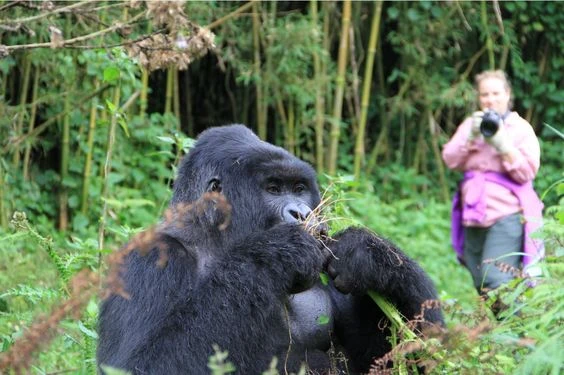
During gorilla trekking in Uganda, Rwanda and the DRC, we follow the regulations established by the relevant wildlife authorities. Our guides brief guests before trekking and help ensure that wildlife is observed responsibly. This includes maintaining the required distance from gorillas and other animals, following designated trails, keeping noise to a minimum and avoiding any behavior that could disturb wildlife.

Respecting Wildlife

We also encourage our guests to understand that wild animals should be observed on their terms. Animals move freely in their natural habitats, and responsible wildlife tourism means enjoying these encounters without attempting to change animal behavior for photographs or closer views.

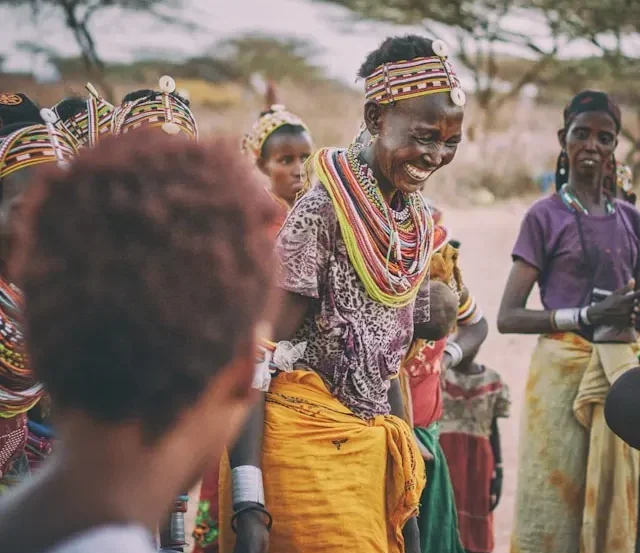
Empowering women in local African commmunities

Supporting Local Communities

We believe local communities should benefit directly from tourism. More than 90% of our team is locally employed, creating opportunities for guides, drivers and other tourism professionals.

We also work with local farmers, artisans and service providers, helping keep tourism income within the communities where we operate. Through initiatives such as the Gorilla Bee Project and vocational activities including tailoring, we support alternative livelihoods that can contribute to stronger communities and better protection of natural resources.

Responsible Cultural Experiences

We encourage respectful interaction between our guests and local communities. During cultural visits, travelers are encouraged to respect local customs, ask permission before taking photographs and support local artisans and businesses where possible. We want cultural tourism to create genuine connections and economic opportunities without compromising people's privacy, dignity or traditions.
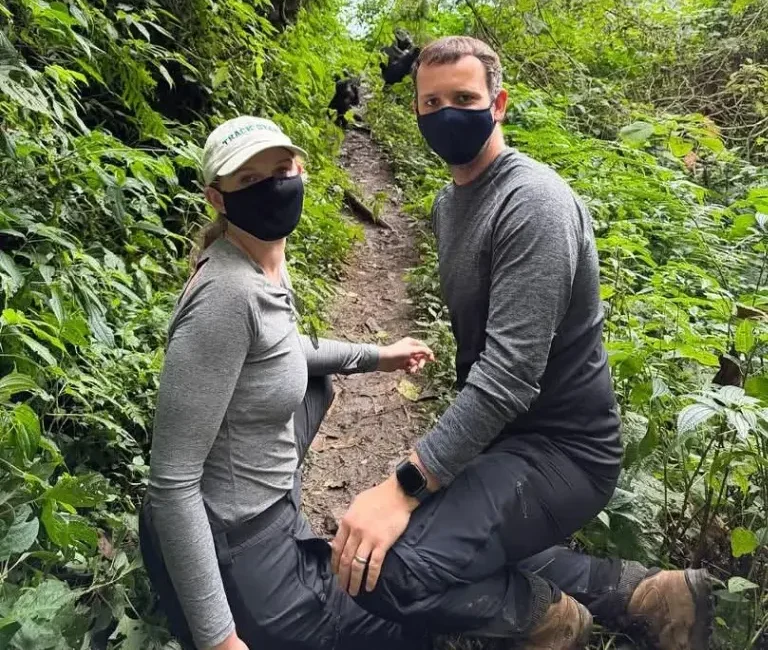
Responsible Gorilla Trekking in Bwindi

Environmental Responsibility

Our safaris depend on healthy forests, wetlands, rivers and savannahs. We therefore encourage practices that reduce waste and unnecessary resource use. Where possible, we support accommodation and suppliers that use solar energy, rainwater harvesting, responsible waste management and locally sourced products.

We also encourage our guests to reduce single-use plastics, carry reusable water bottles, conserve water and energy, and avoid leaving waste in natural areas.

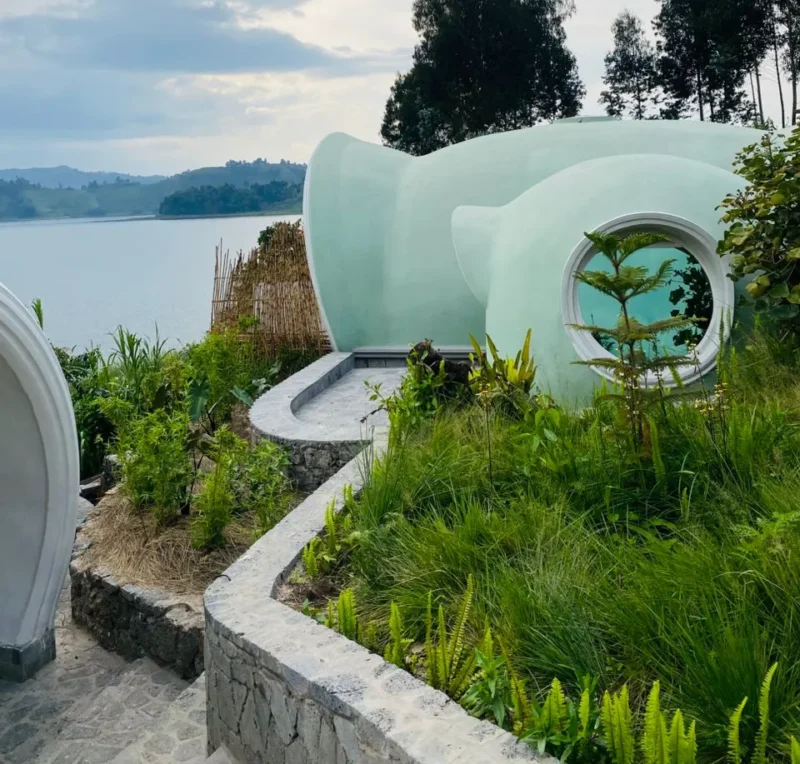
Kisoro Art island on Lake Mutanda in Kisoro

Responsible Accommodation

The accommodation used during a safari can have an important environmental and social impact. When selecting accommodation, we consider more than location and comfort. Where appropriate, we work with properties that employ local people and demonstrate responsible practices such as waste management, water conservation, renewable energy, rainwater harvesting and the use of locally sourced materials.

Our aim is to work with accommodation providers that contribute positively to the communities and environments in which they operate while providing travelers with a comfortable place to stay.

Responsible Safari Operations

We work with local guides, accommodation providers and suppliers who understand the destinations where we operate. Local knowledge helps us create practical itineraries while keeping more tourism income within destination communities. We aim to operate our safaris fairly, responsibly and transparently, while continually looking for ways to improve our environmental and community impact.
Our Commitment

Responsible travel is an ongoing commitment at Nturo Safaris. Through local employment, community initiatives, conservation-focused tourism, responsible partnerships and environmentally conscious practices, we aim to ensure that our safaris contribute positively to the destinations we call home.

Travel responsibly. Explore respectfully. Leave a positive impact.